On the quiet floors of global finance, billion-dollar deals often begin with a whisper. This time, however, the echo is thunderous.
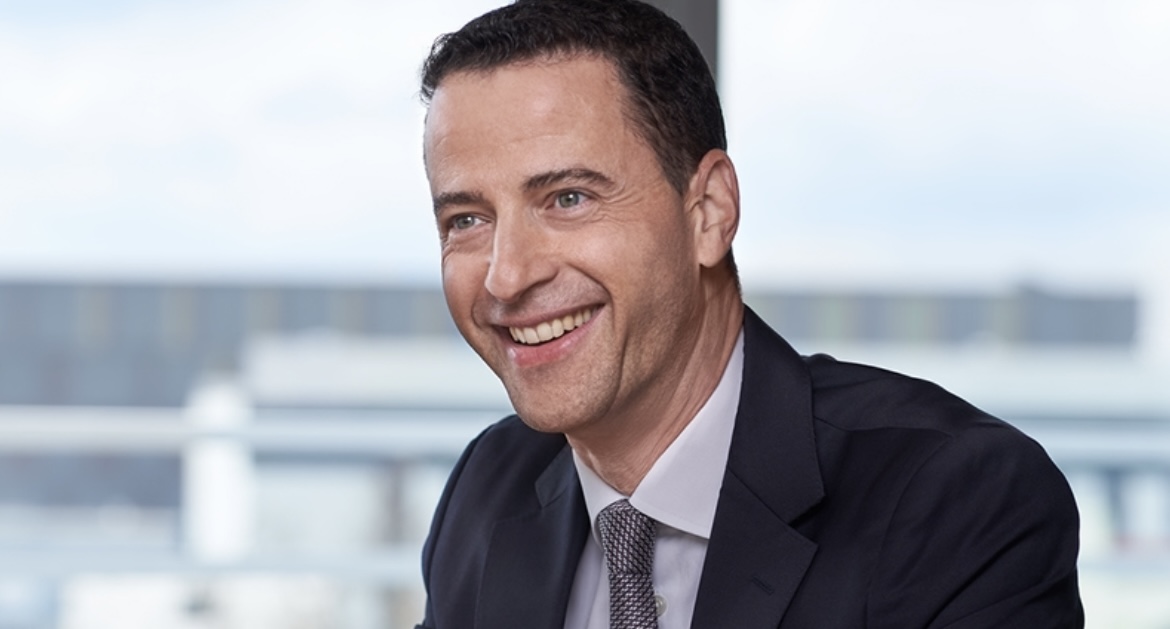
At the centre of one of mining’s biggest conversations stands Gary Nagle, a South African executive whose signature could help create the largest mining company in history, a giant valued at more than $200 billion (R3.3 trillion).
Rio Tinto and Glencore have confirmed discussions around a possible merger. If it succeeds, the deal would redraw the map of global mining. It would also place an African-trained leader at the heart of a corporate moment that could shape resource markets for decades.
This moment feels both monumental and personal for Gary Nagle,
Long before boardrooms in London and Zurich, his story began in Johannesburg.
He studied at the University of the Witwatersrand, qualified as a chartered accountant in 1999, and joined Glencore a year later as an asset manager in the coal division. At the time, few could have predicted how far that first step would travel.
Over two decades, he crossed continents and commodities. He worked in Australia. He built operations in Colombia. He managed assets in South Africa and Switzerland. Each role added another layer to a career shaped by patience, numbers, and tough negotiations.
Eventually, opportunity met preparation.
After Glencore acquired Xstrata in 2013, Nagle took charge of the company’s South African alloy assets. Later, in 2018, he rose again to lead its global coal division. By 2021, the board handed him the top job.
He replaced another South African, the formidable Ivan Glasenberg. Their closeness earned Nagle the nickname “mini Ivan” inside industry circles.
At his appointment, he chose humility over headlines.
“Working with Ivan has been incredible,” he said. “I have learned more than one can imagine from one individual. His drive and leadership will stay with me.”
Yet Nagle also promised change.
“My leadership style is one of inclusiveness,” he added. “I want to take this company to an even higher level.”
Now, that promise faces its biggest test.
The proposed merger would combine two mining titans, both rich in copper, the metal powering electric vehicles, renewable energy grids, and the future of clean technology. As the world electrifies, copper has become the new strategic gold.
Because of that shift, global miners are racing to secure supply.
Anglo American, led by fellow South African Duncan Wanblad, plans to merge with Canada’s Teck Resources. BHP has already circled parts of the sector. Consolidation is no longer a theory. It is the strategy.
However, challenges remain.
Rio Tinto has moved away from coal and plans to exit the sector entirely. Glencore still treats coal as a major revenue pillar, even as Nagle publicly commits to managing its decline responsibly.
At the same time, Glencore’s share price has faced pressure in 2025 due to weaker coal prices. Still, Nagle continues to push forward. He has already outlined plans to double production over the next decade, betting on future demand rather than present fear.
There is also the matter of time.
Under UK takeover rules, Rio Tinto must decide by February 5 whether to make a formal offer or step away for six months. Until then, markets will speculate. Analysts will debate. Investors will watch every word.
But behind the figures stands a human story.
A young accountant from Johannesburg now holds one side of negotiations that could reshape global mining. His decisions may influence energy transitions, commodity prices, and economic power flows across continents.
For Africa, the symbolism runs deeper.
In an industry long dominated by Western boardrooms, a South African executive now sits at the head of one of mining’s most consequential conversations. Not as a guest. Not as an observer. But as a principal actor.
Whether the merger succeeds or stalls, Gary Nagle has already crossed into rare territory.
He is no longer just leading a company.
He is standing at the edge of history.
With reporting from Bloomberg.