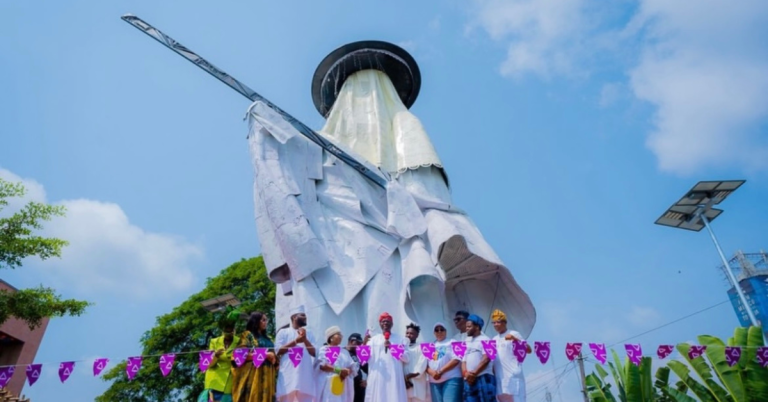
The Fugu smock (or Batakari), Northern Ghana’s iconic handwoven garment, is reclaiming its place at the heart of African culture. Recently, Ghana’s President sparked renewed interest in the Fugu smock during an interview with JoyNews, positioning it as a symbol of national pride, African identity, and cultural revival.
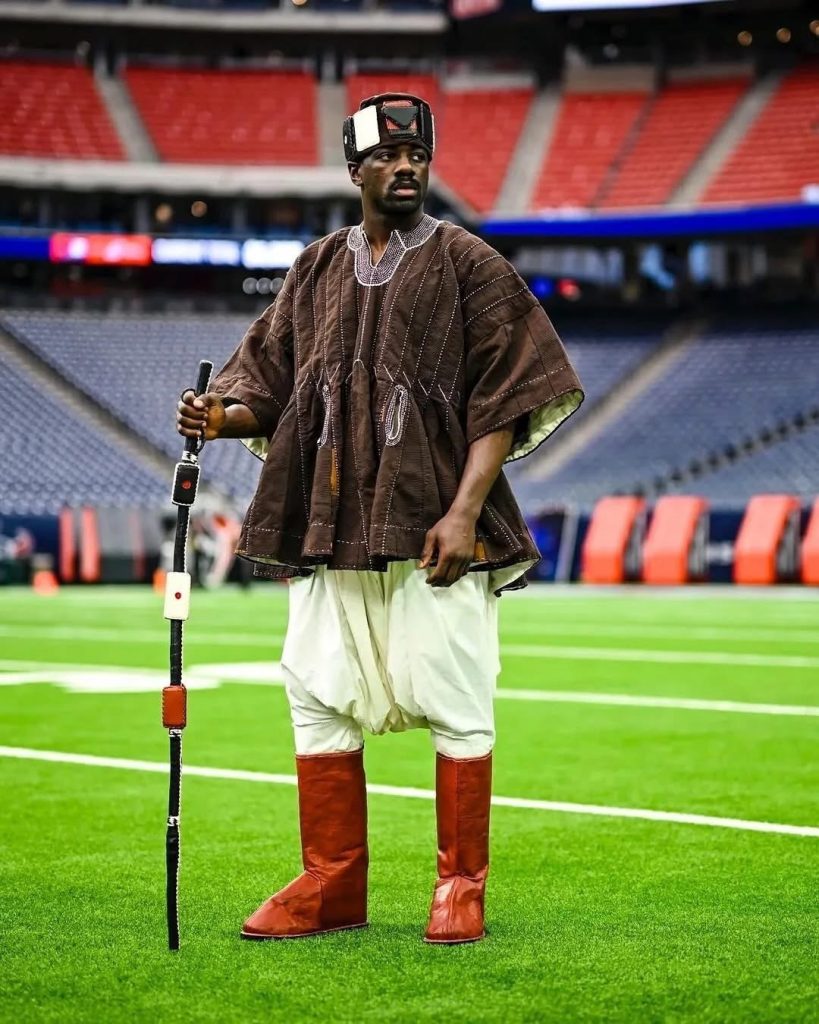
The Fugu smock has deep historical roots. Traditionally, it was worn by chiefs, kings, and warriors as a symbol of authority, strength, and resilience. Its heavy, striped cotton fabric is breathable, versatile, and uniquely Ghanaian, making it both functional and symbolic. During battles, warriors believed the smocks contained spiritual protection, and at Ghana’s independence on March 6, 1957, Dr. Kwame Nkrumah and freedom fighters donned the Fugu smock to embody liberation and national identity. Today, it is embraced by men and women across Ghana as a proud emblem of heritage.
“This attire is more than clothing; it represents our history, culture, and dignity,” the President told JoyNews. “All my garments are sewn in Ghana by local designers. Wearing them not only promotes our fashion industry but also sends a clear message: Africa has creativity, craftsmanship, and a story to tell.”
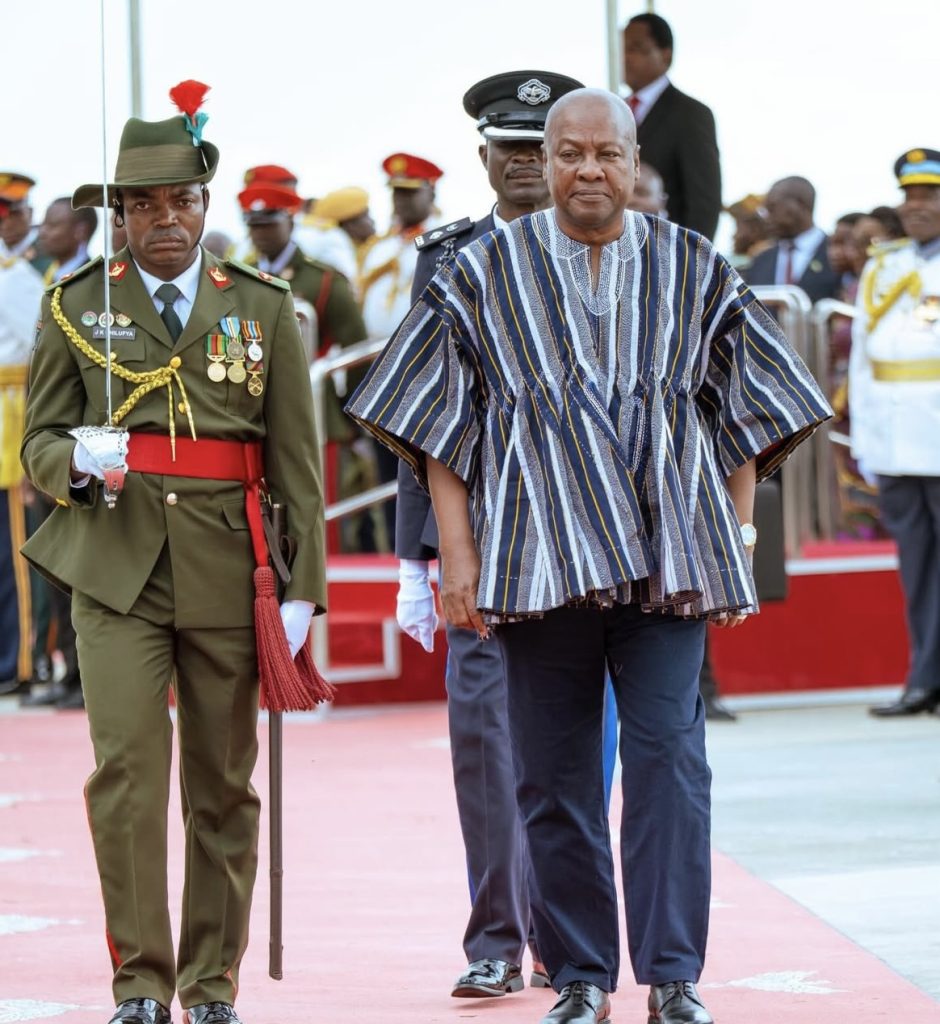
The President’s deliberate fashion choice has sparked a social media phenomenon. Citizens, designers, and international observers have taken notice, driving renewed interest in Fugu smocks both locally and abroad. “Through social media, we have given our weavers branding and marketing opportunities they never imagined,” the President noted. He highlighted that the Fugu smock could become an export product, opening new trade and fashion opportunities for Ghana while simultaneously showcasing African culture globally.
Beyond style, the Fugu smock revival is deeply tied to the broader narrative of African identity and restitution. The President emphasized that reclaiming cultural symbols is as important as seeking reparations for historical injustices. “Colonial powers tried to strip us of our traditions and identity,” he explained. “Reviving garments like the Fugu smock restores our narrative, empowers our communities, and strengthens pride in our heritage.”
The revival also resonates with Osadjifu Dr. Kwame Nkrumah’s vision of an African personality that embraces dignity, unity, and cultural pride. By wearing the Fugu smock at international events, the President is sending a message that Ghanaian culture is relevant, valuable, and exportable. Local artisans, who handcraft these garments, are seeing increased interest, providing economic opportunities and recognition for centuries-old craftsmanship.
Today, the Fugu smock represents more than tradition, it is a statement of identity, resilience, and creativity. From the independence era to the halls of global diplomacy, this handwoven garment continues to tell the story of Africa’s history, innovation, and pride. As Ghana’s President leads by example, the Fugu smock is reclaiming its position as a symbol of African heritage, inspiring both local communities and international audiences to embrace and celebrate African culture.