The biggest lie about Africa is not poverty or conflict, it is how the world perceives the continent. Maps shrink Africa visually, distorting its true size and influence. Yet the continent can fit the United States, China, India, and most of Europe inside it and still have space left. This visual minimization mirrors the global underestimation of Africa’s talent, industries, and cultural power.
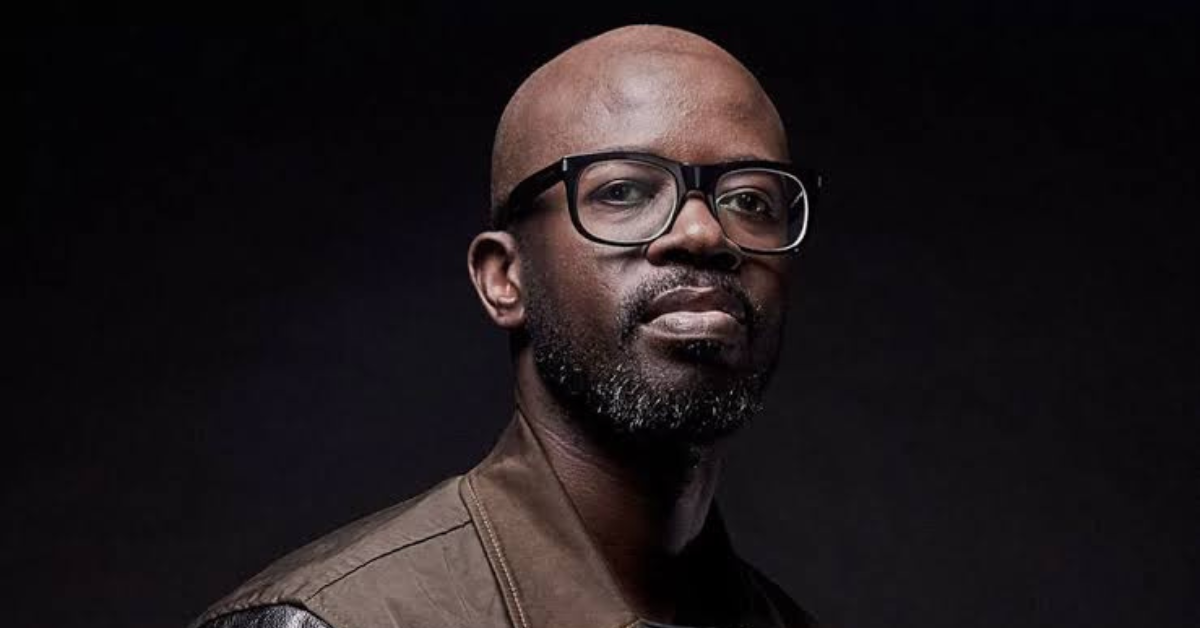
At BoF VOICES 2025, Grammy Award-winning DJ Black Coffee spoke with Imran Amed, founder and editor-in-chief of The Business of Fashion, about this persistent misconception. He described the work it takes to gain global credibility and reshape how the world sees Africa.
“I’m not even talking about talent, taste, fashion, music, or culture,” he said. “I’m talking about how the entire continent is made to look.”

From Life-Altering Accident to Global Stages
Black Coffee’s journey illustrates resilience. On the night of Nelson Mandela’s release, he suffered a serious accident when a taxi struck him in a crowd, leaving him with nerve damage. Instead of letting it stop him, he channeled his recovery into music and determination.
“[Mandela’s] release from jail marked the start of a new journey for me, the first day of the beginning of Black Coffee,” he says. He revealed his story publicly years later, insisting he should be seen first as a musician, not a victim.
Black Coffee adds, “To be a DJ in South Africa is tough because every DJ is amazing. To be a global DJ is even tougher when you come from a continent that is not fully seen as it truly is.”
Confronting Structural Bias in the Industry
Africans face structural bias at every level of the creative industry. Black Coffee is blunt about the challenges:
“At the Grammys, instead of giving Tyla a number-one pop award, they create a new category for ‘best African.’ At the BET Awards, we received our awards on Friday but were not invited to the main show on Saturday.”
Despite these obstacles, he offers simple, radical advice to young creatives: “Just listen to your voice. That voice will make you the greatest.” His mission is not just visibility, it is parity, moving African talent from side-rooms to main stages worldwide.
To succeed internationally, Black Coffee invested in both music and image. He used fashion as a tool to build his brand, consciously shaping his public presence.
“While I was growing as a brand, fashion played a huge role. The bigger my platform, the more intentional I had to be. It took a lot of work,” he explains. This mix of sound, style, and discipline helped him transition from local star to international headliner, showing that African talent can thrive globally when given visibility and respect.
African fashion illustrates the continent’s untapped potential. Today, African fashion is a $31 billion industry, projected to reach $50 billion by 2030. Despite this growth, Africa still imports more than it exports.
Black Coffee describes himself as “one of the few exports of the continent.” His statement underscores a stark reality: Africa produces immense creative output, but recognition and ownership often happen elsewhere. African designs, sounds, and stories influence global trends but African creators struggle for fair compensation and visibility.
Acknowledging Africa’s true magnitude means more than correcting a map. It means restructuring opportunity, ownership, and narrative control. Africa is not emerging, it is already contributing, shaping, and leading global culture.
For us at TTYBrand Africa Magazine, championing these voices, and ensuring African stories remain at the center. Africa does not need permission to be big. It only needs the world to stop pretending it isn’t.