Africa did not simply attend the 2026 Met Gala. Africa authored some of its most memorable moments.
On fashion’s most watched staircase, where image becomes legacy and clothing becomes conversation, African stars arrived with intention. They understood the assignment, embraced the theme Fashion Is Art, and transformed the red carpet into an editorial statement on identity, confidence, and modern luxury.
Held at the Metropolitan Museum of Art in New York, this year’s Met Gala gathered the world’s most visible names. Yet amid the predictable glamour and theatrical excess, it was African excellence that felt fresh, directional, and culturally relevant.
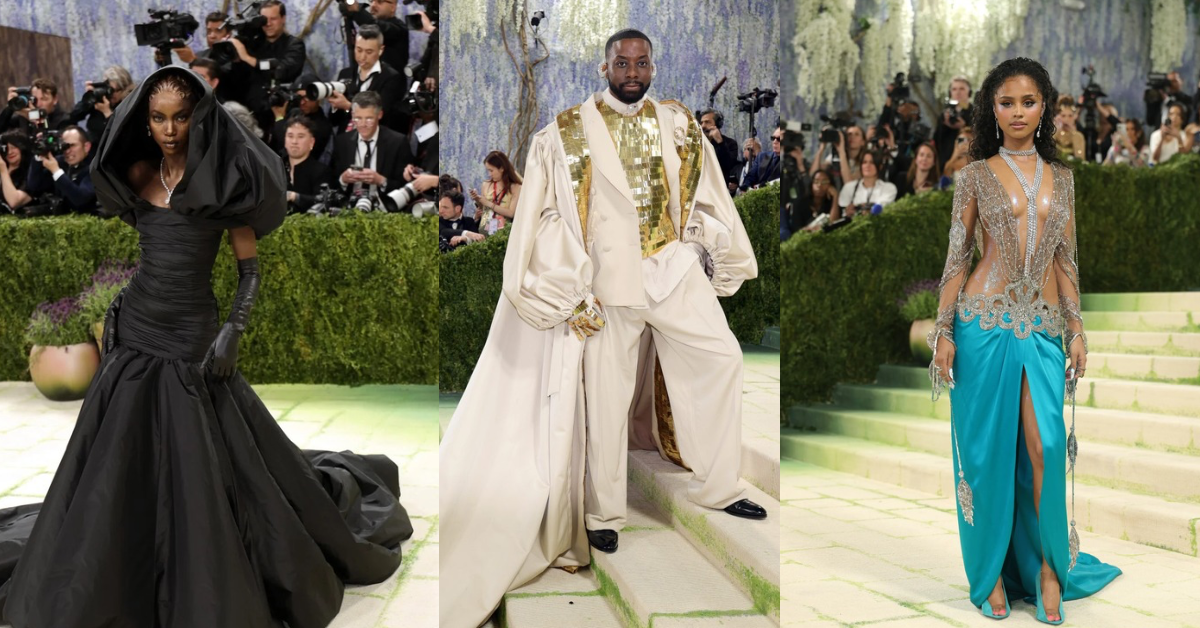
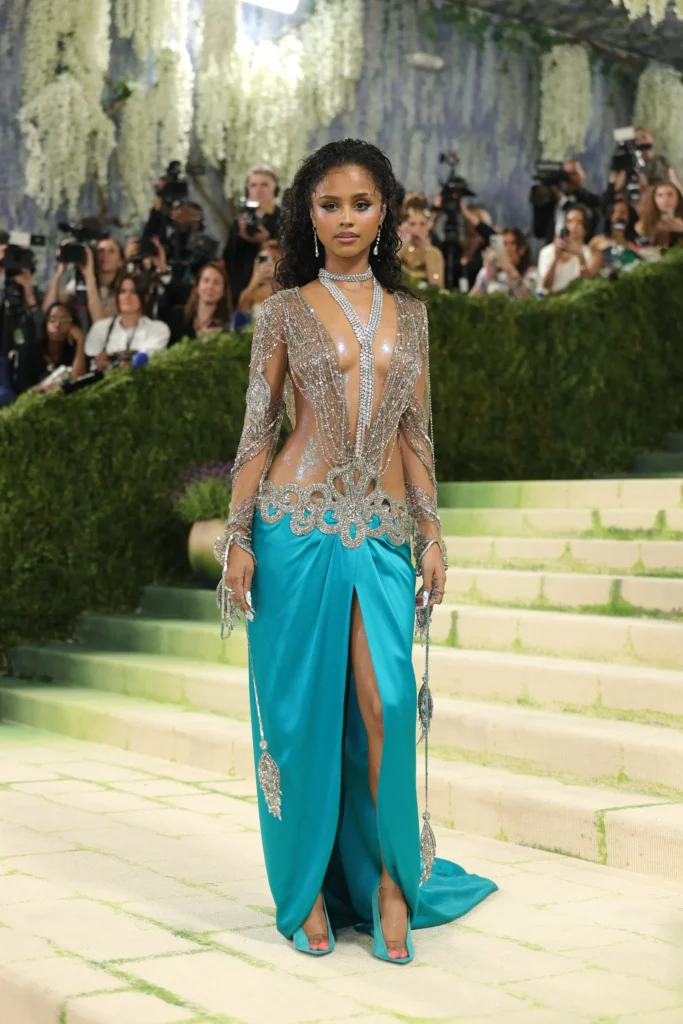
Tyla once again proved she belongs in every global style conversation. Wearing custom Valentino by Alessandro Michele, she balanced softness with spectacle. Crystal embellishments, fluid movement, and peacock-inspired drama created a look that felt both fantasy and control. It was high fashion with personality, exactly what modern red carpet dressing demands.
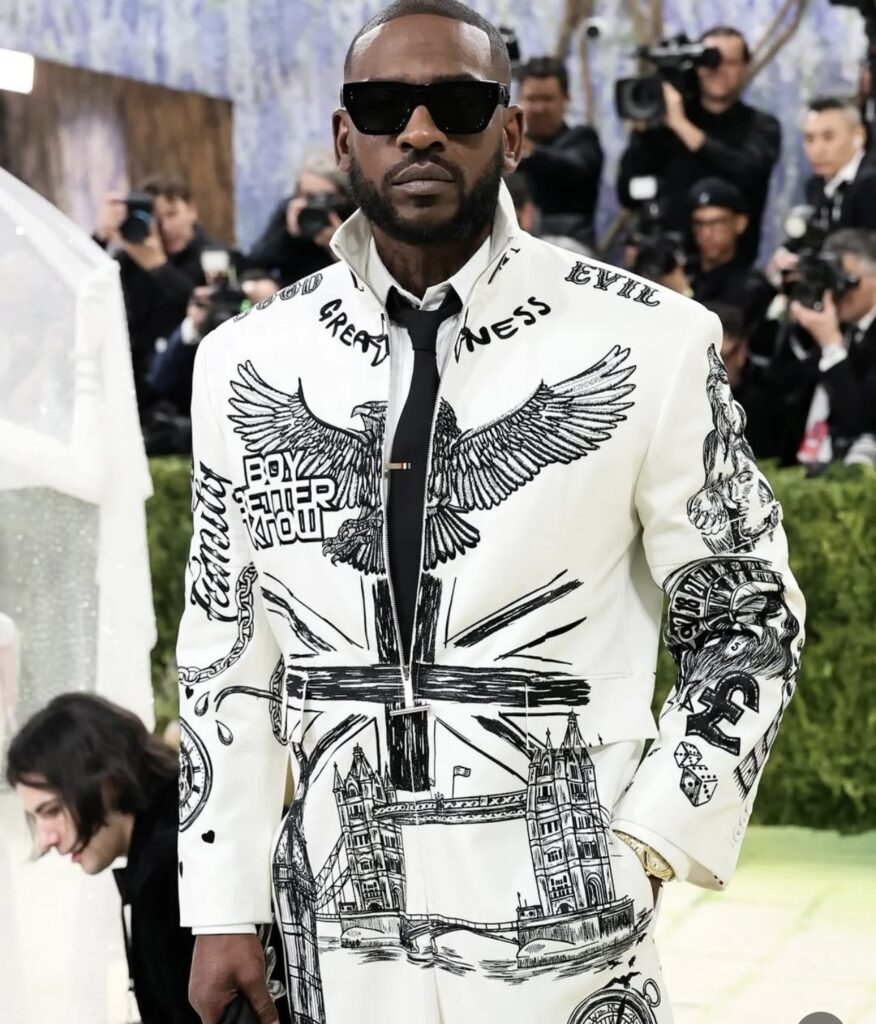
Skepta delivered one of the evening’s smartest concepts. His Thom Browne tailoring, embroidered with references to his tattoos, turned autobiography into couture. Rather than wear fashion, he used fashion to narrate selfhood. Few guests understood the theme so clearly
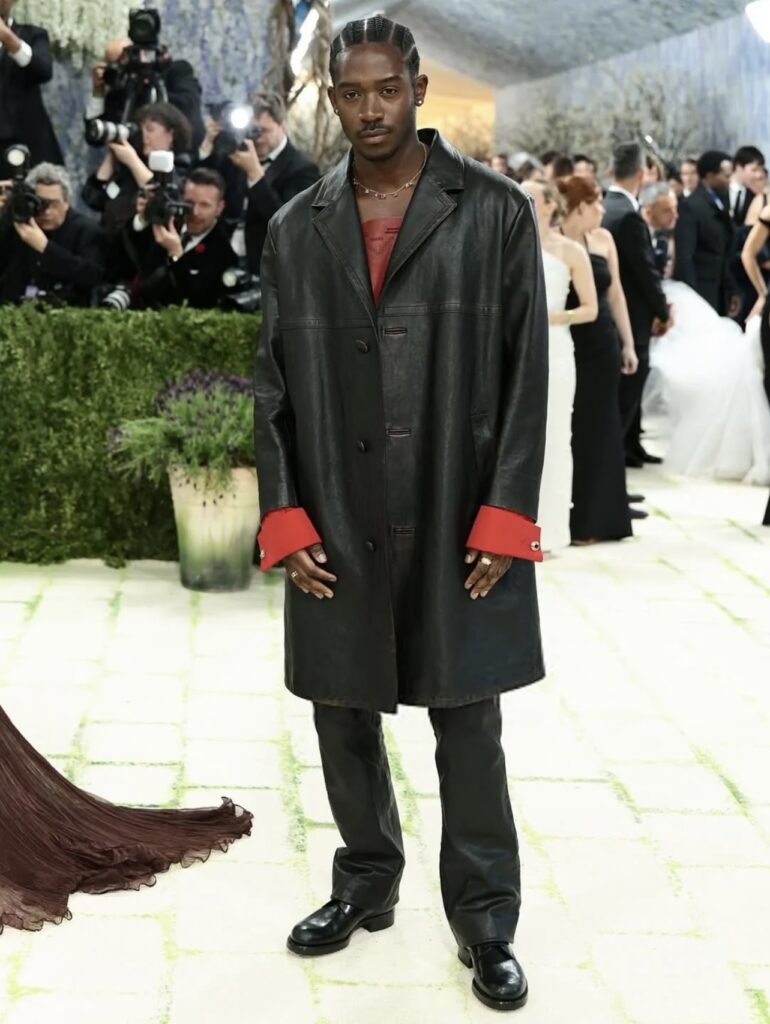
Damson Idris embraced cinematic masculinity in Prada. A dramatic leather coat layered over a rich red base created tension, power, and elegance. It was controlled, sharp, and memorable without chasing gimmicks.
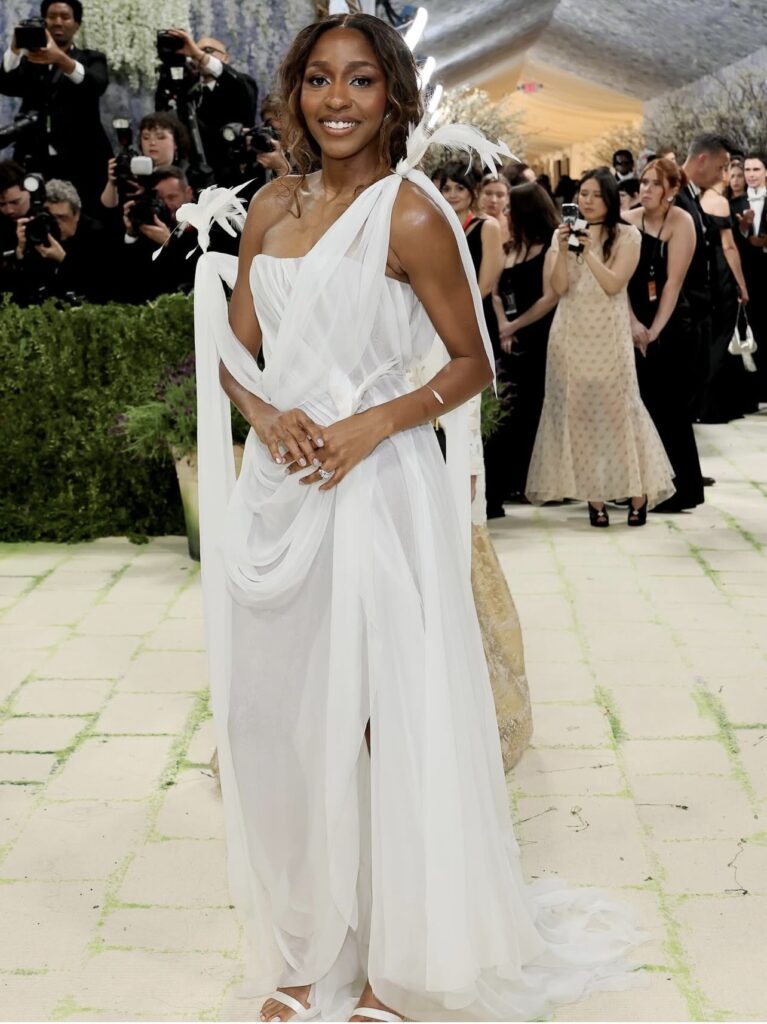
Ayo Edebiri continued her rise as one of the most consistent young dressers on the global circuit. In Chanel, she chose structure over noise. The clean white gown, paired with a long braid, created an image that felt timeless, intelligent, and serene.
Anok Yai reminded the room why models remain fashion’s greatest translators. In a sculptural Balenciaga creation inspired by sacred iconography, she delivered posture, presence, and pure editorial force. Some looks are worn. Others are inhabited. This was the latter.
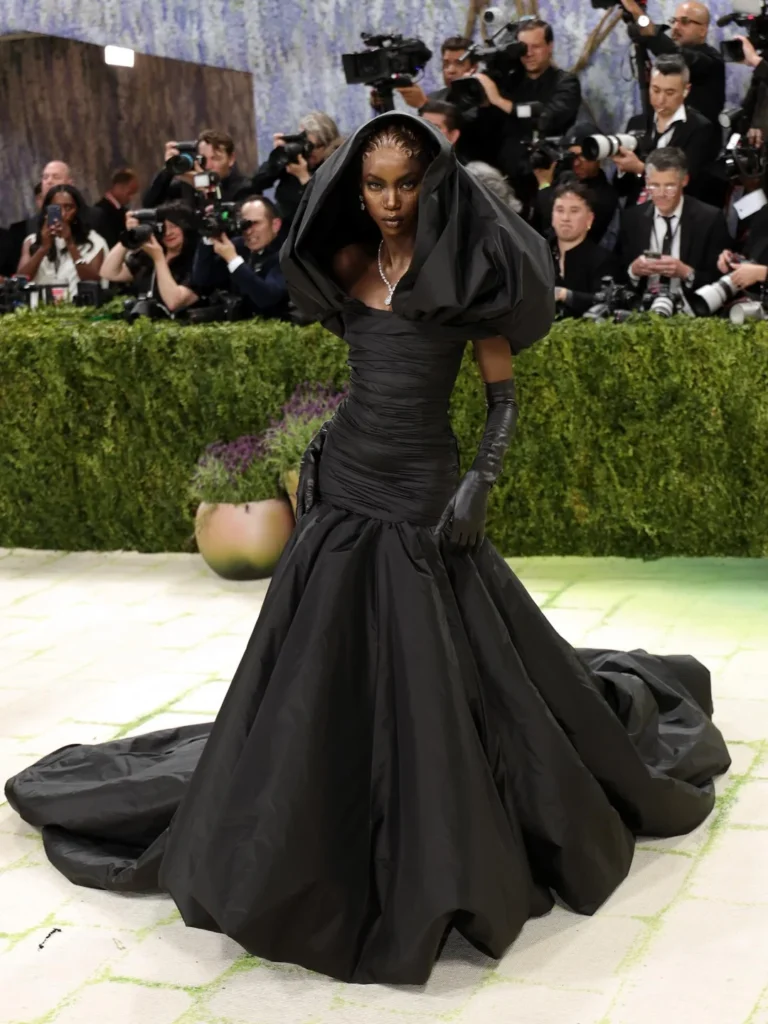
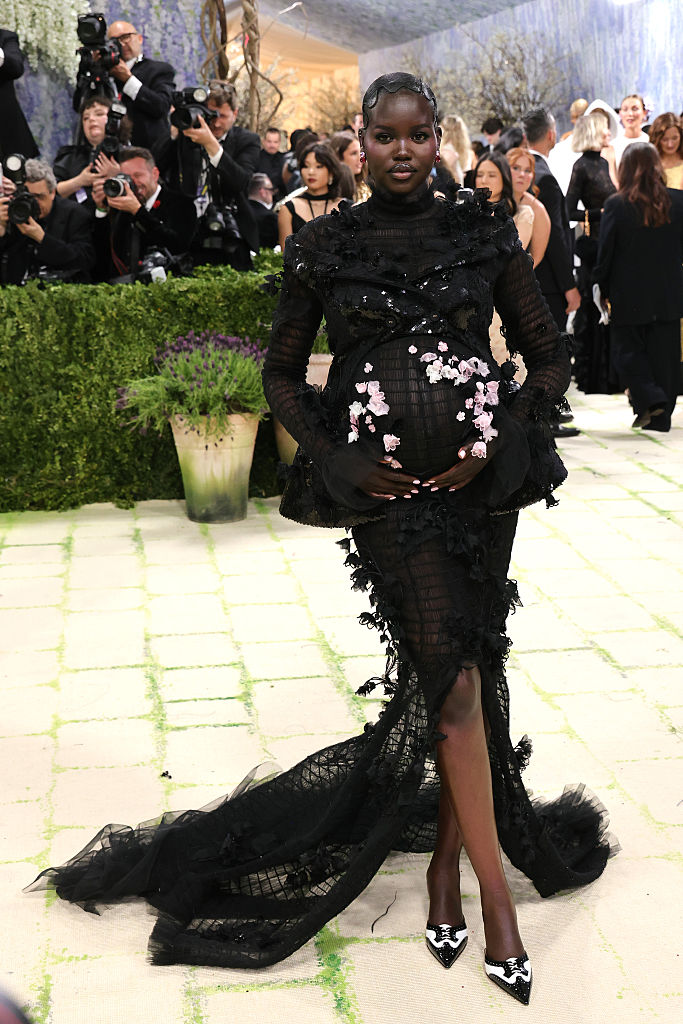
Adut Akech brought grace and emotional power to the carpet. Nearly full-term pregnant, she wore Thom Browne with quiet majesty. It was a reminder that femininity, strength, and beauty never require permission.
John Imah also emerged as one of the evening’s most intriguing menswear standouts. Wearing a custom Charles Harbison creation, the Nigerian entrepreneur embraced the theme with a futuristic look that blended craftsmanship, innovation and style. His ensemble featured a flowing cape coat, gold-encrusted detailing, tailored trousers and robotic-inspired accessories that pushed fashion into a bold new direction.
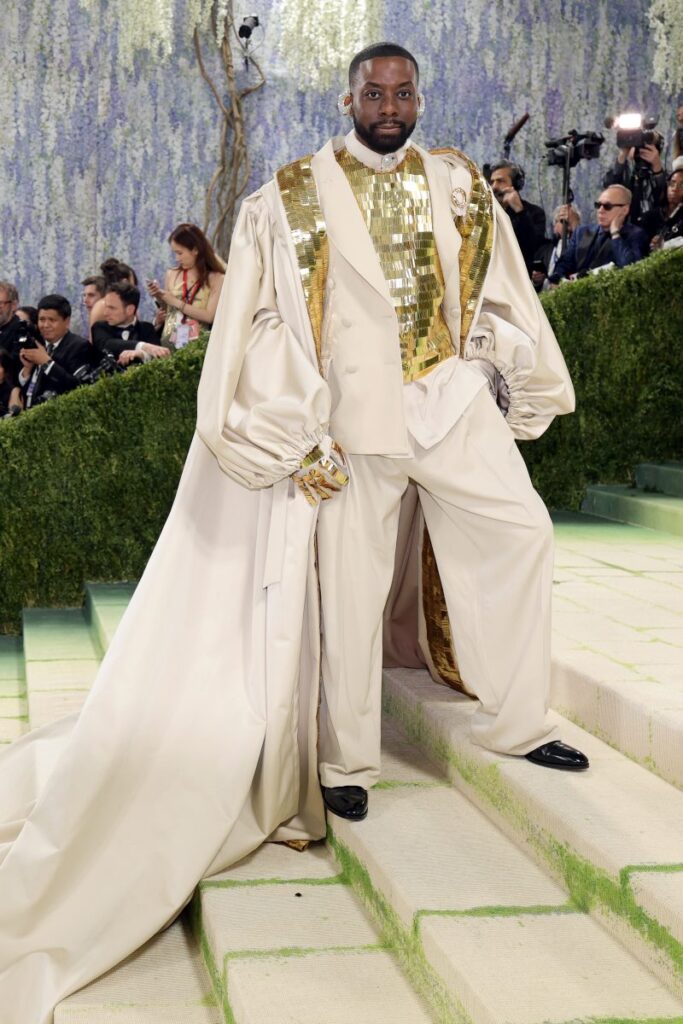
More than just a red carpet outfit, Imah’s appearance told a story about the relationship between technology, identity and modern luxury. It was smart, daring and refreshingly different.
What made these appearances important was not only the clothing. It was the range. Africa was represented through glamour, tailoring, sculpture, softness, motherhood, symbolism, and personal narrative. That diversity matters because it rejects the outdated idea that African fashion influence exists in a single lane.
Imaan Hammam once again proved why she remains one of the most respected models of her generation. The Moroccan-Egyptian-Dutch beauty arrived in a dramatic red Saint Laurent gown that balanced volume, elegance and bold femininity. With oversized puff sleeves, layered ruffles and statement jewellery, Hammam brought the kind of high-fashion presence only a true runway force can command. Her look was fearless, polished and impossible to ignore.
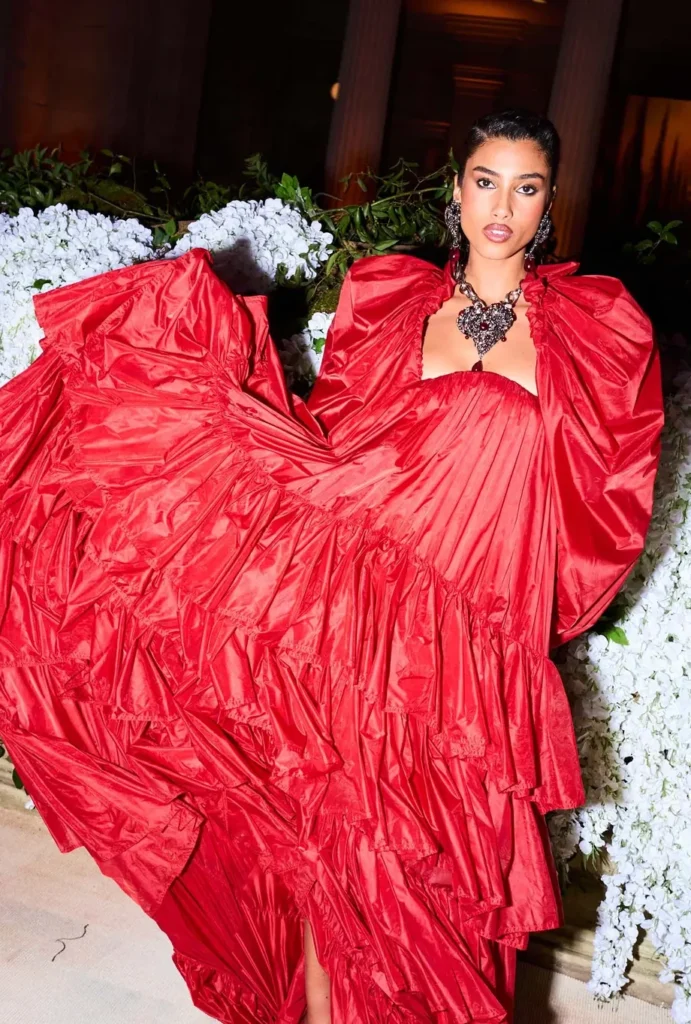
She has long represented a new era of multicultural beauty in luxury fashion, and at this year’s Met Gala, she reminded the industry that timeless glamour still wins when executed with confidence.
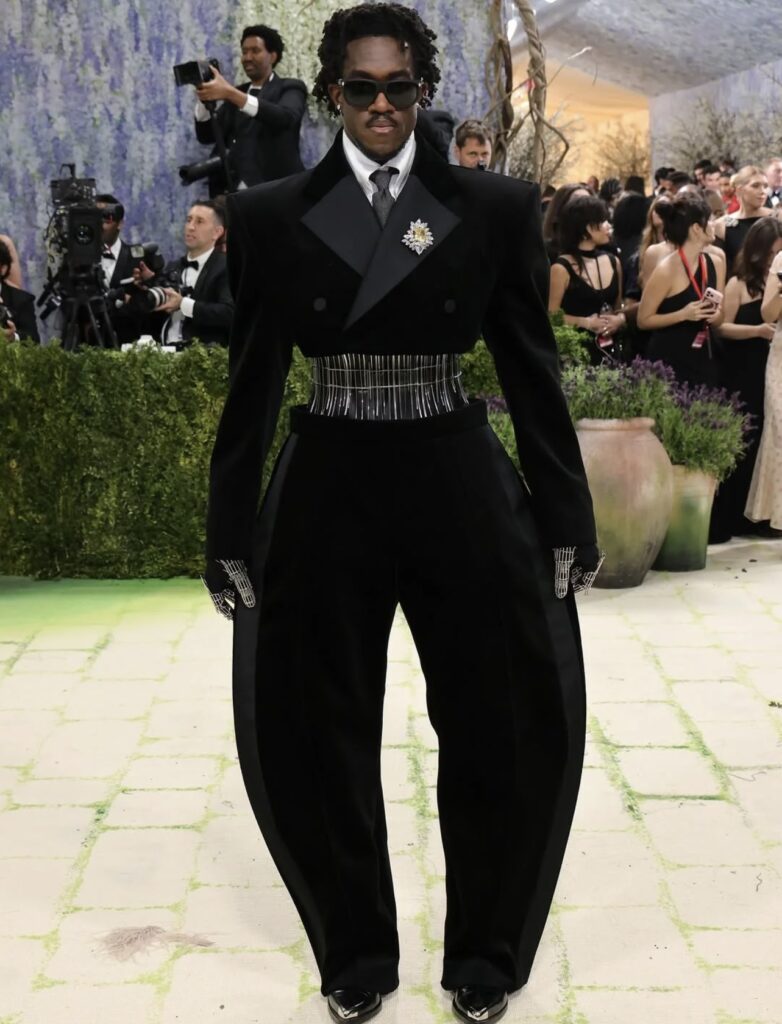
Fashion creator Wisdom Kaye once again reminded the world why he remains one of the internet’s biggest style stars. His appearance carried the same bold storytelling energy fans expect from him.
The conversation also extended beyond those wearing the garments. Names such as Tia Adeola, Veekee James, and Toyin Lawani continued to trend among fashion watchers calling for stronger placement of African designers on the world’s biggest carpets.
Fashion has always moved where culture leads. Culture is moving toward Africa.