Africa’s population has reached an estimated 1.7 billion, and nearly 45.6% now live in urban areas, according to data from Worldometer. As a result, cities continue to expand at record speed. Economic opportunities also cluster in these urban hubs, increasing demand for housing across the continent.Consequently, rental markets face growing pressure. For many households, rent now stands as the first or second largest monthly expense after food. This cost shapes migration choices, reduces disposable income, and exposes gaps in local housing supply.
Moreover, rising rent in fast-growing cities often signals strong demand, inflationary trends, and shortages of affordable homes. Investors track these signals closely because they reflect both economic activity and structural housing deficits.A recent ranking published by Nairametrics draws on data from Numbeo, a global cost-of-living platform powered by user contributions worldwide. The analysis references Numbeo’s 2026 Africa Current Rent Index by City report.
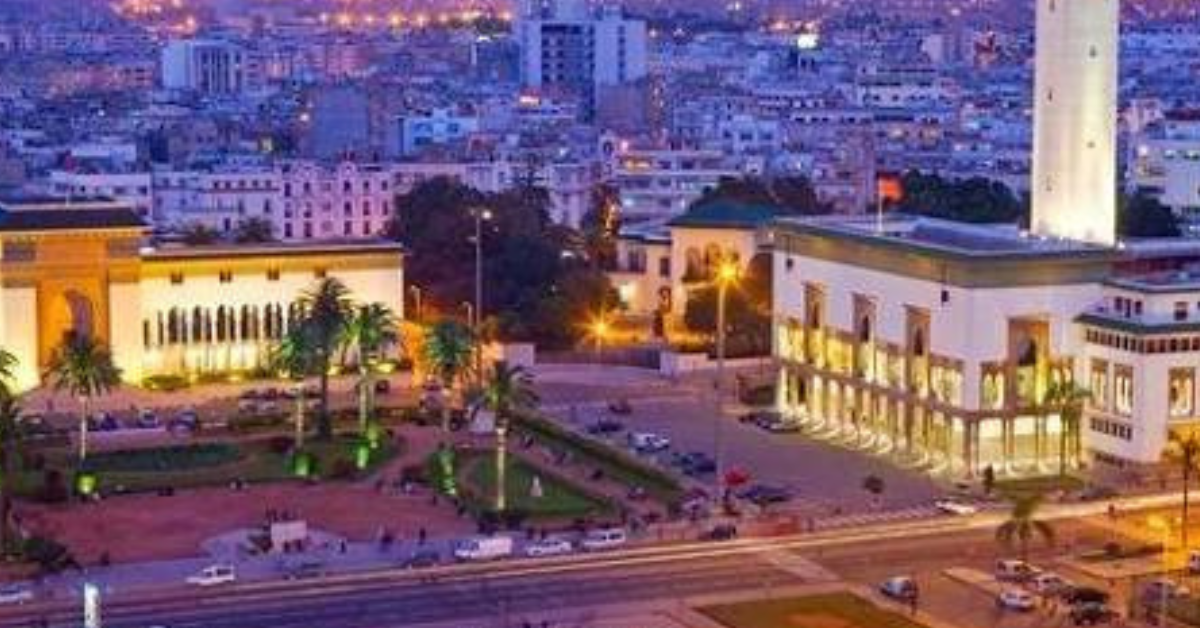
The report compares average rent prices using New York City as a benchmark with an index value of 100.Under this methodology, a city with a Rent Index of 80 records rental prices about 20% lower than New York City. Therefore, the index allows global comparison across major property markets.The ranking highlights the 10 most expensive African cities to rent in 2026. Among them, Rabat in Morocco secures the tenth position.Rabat Enters Africa’s Top 10 Most Expensive Rental Exacerbate posts a Rent Index of 12.4, placing it among Africa’s highest-cost rental markets in 2026.
The Moroccan capital has an estimated population of about two million residents, according to Macrotrends data.Rabat’s rental market thrives in neighborhoods with strong access to jobs, universities, and transport networks. Areas such as Agdal, Hay Riad, Hassan–Centre Ville, and Tabriquet in Salé attract consistent demand. Well-priced apartments in these districts typically rent within two to four weeks. Vacancy rates for quality units remain below 10%, reflecting tight supply.Tenant demographics differ across neighborhoods. Students and young professionals dominate Agdal due to proximity to universities and tram links.
Meanwhile, government employees and upper-income families prefer Hay Riad. Mixed-income tenants choose Hassan–Centre Ville because of its central location. Budget-conscious families often settle in Tabriquet.Transport connectivity continues to drive demand. Agdal and Tabriquet benefit from tramway access. Hassan provides proximity to the main train station. Hay Riad connects easily to major highways, improving commuter convenience.Rental prices vary sharply by segment. Entry-level two-bedroom apartments in Tabriquet or outer Salé typically range between 3,500 and 6,500 Moroccan dirhams per month (approximately $380–$710). Mid-range two-bedroom units in Agdal and Hassan–Centre Ville cost between 7,000 and 12,000 dirhams ($760–$1,310). Premium three-bedroom apartments in Hay Riad and Haut Agdal command between 12,000 and 20,000 dirhams ($1,310–$2,180).
As urban migration accelerates, Rabat’s housing market reflects broader continental trends. Demand continues to outpace supply in prime districts. Consequently, affordability remains a growing concern for middle-income households.Africa’s Urban Housing Pressure Intensifies Across Africa, rapid urbanization continues to reshape property markets. Cities attract investment, infrastructure projects, and employment opportunities. However, housing development often lags behind population growth.
Therefore, rental prices in leading cities are likely to remain elevated through 2026. Policymakers face mounting pressure to expand affordable housing supply, improve planning systems, and stabilize costs.For investors and residents alike, the 2026 Rent Index signals one clear trend: Africa’s urban housing market is entering a more competitive and expensive phase.