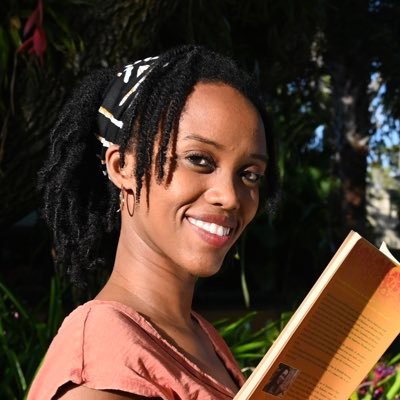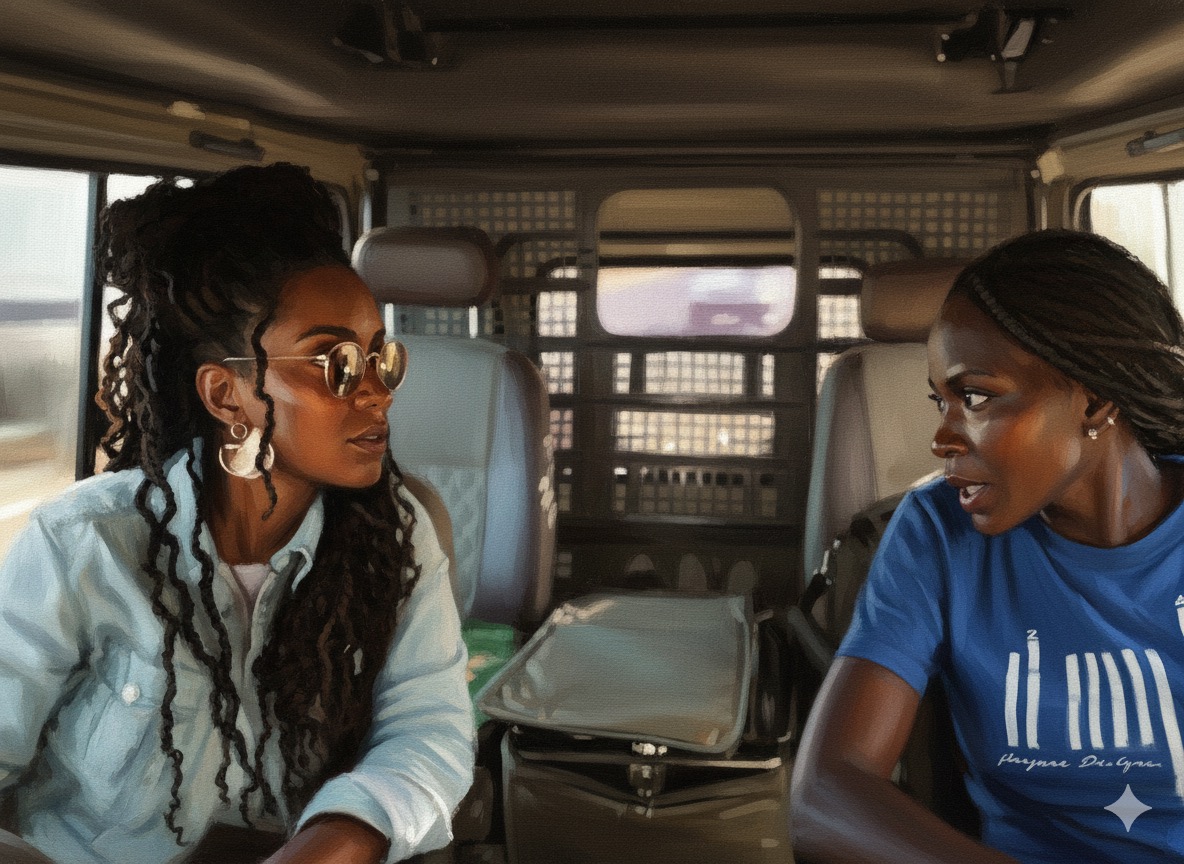
When you bite into a piece of Swiss chocolate, how often do you think about where the cocoa really comes from? Documentary host Amanda Parris, known for her deep explorations of the Black diaspora, recently asked that question in a striking conversation with Social Justice advocate Leo Odongo. Together, they unravel the complex web of land use, export-driven agriculture, and lingering neo-colonial structures that shape the continent’s food systems. Their discussion, featured in the episode of Black Sovereignty, peels back the layers of Africa’s agricultural paradox,a story of abundance, export, and lost opportunity.
“60% of Africa is arable land,” Leo Odongo points out. “We can grow almost anything. Huge amounts. Yet, we produce what we don’t consume. We’re producing for Europe and other external markets.”
From Kenya’s sprawling tea plantations to the cut flower industry exporting blooms abroad, Africa’s fertile soil is serving foreign appetites more than its own people. The most premium products, the richest teas, the finest flowers leave the continent, while local markets often receive lower-quality versions.
Ghana provides a stark example. The country produces some of the world’s best cocoa, yet it lacks domestic facilities to turn it into chocolate. “We are told the best chocolate comes from Switzerland,”
“My question is: how many cocoa bushes does Switzerland have? That’s the political question we need to be asking ourselves.”

This conversation reveals a pattern that goes beyond agriculture. It is a form of neo-colonialism masquerading as trade. “We go through independence, but we never got the power,” Leo Odongo explains. “You need to feed yourself first. You need to be food secure before you start feeding your neighbor. Yet there is always this push for produce, for export.”
The episode challenges listeners to rethink Africa’s economic structures and its relationship to the global market. It asks uncomfortable but necessary questions: Who truly benefits from Africa’s fertile land? And why do we, the landowners, often miss out on the most valuable products grown on our soil?
Through her work across the Black diaspora, Amanda Parris brings stories like these to the forefront, connecting local realities to global systems. Africa’s potential is undeniable, yet the continent continues to navigate a legacy of exploitation where its wealth feeds others while its own communities remain hungry for opportunity.