African countries are stepping up efforts to reconnect with the African diaspora, and Black American celebrities now sit at the heart of that strategy. Across West and Central Africa, governments are granting citizenship to globally recognised stars in entertainment, sports and digital media. Leaders see the move as a powerful tool to boost tourism, attract foreign investment, strengthen cultural diplomacy and turn pan-Africanism into measurable action.
Although enslaved Africans were taken across the Atlantic centuries ago, emotional and cultural ties to the continent never disappeared. Liberia emerged in 1822 as Africa’s oldest republic after freed Black American slaves established the state. When Ghana gained independence in 1957, Black intellectuals, artists and activists from the United States relocated there in significant numbers. Global figures such as Martin Luther King Jr, Malcolm X and Muhammad Ali later visited Ghana, while Guinea became home to Black Panther leader Stokely Carmichael.
Over time, that connection weakened. However, advances in DNA ancestry testing, combined with social media storytelling, have reignited interest among African-Americans searching for identity, belonging and ancestral roots. That renewed curiosity now aligns with African governments eager to rebrand their nations on the global stage.
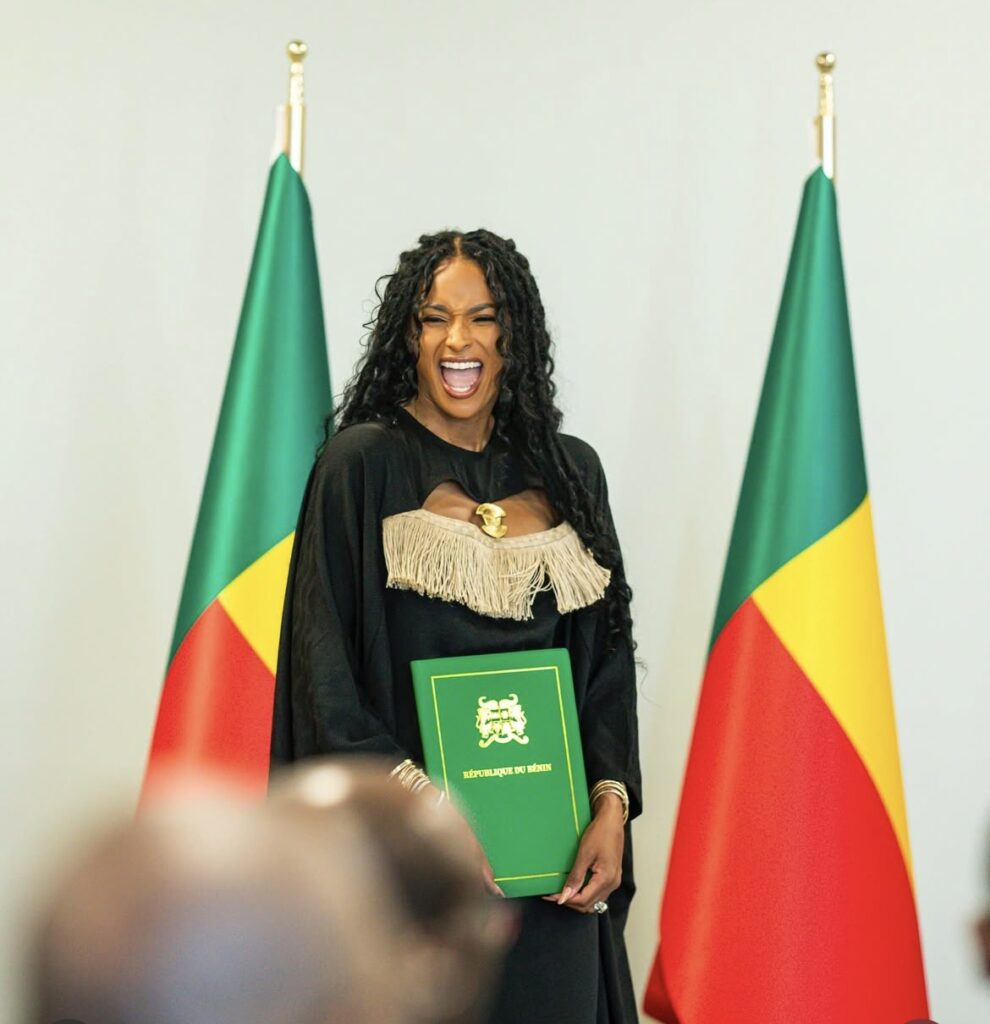
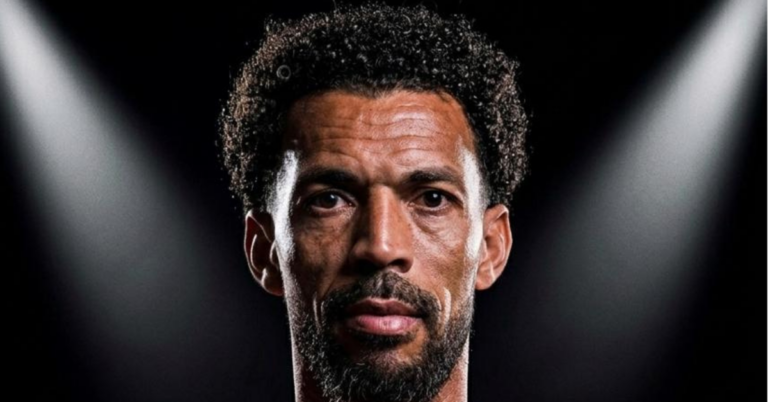
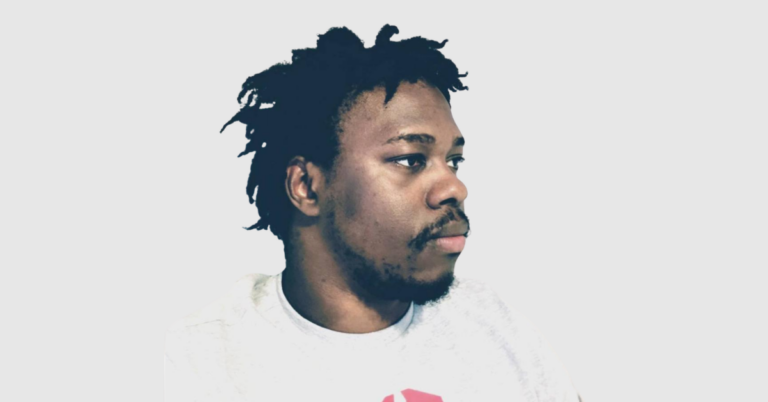
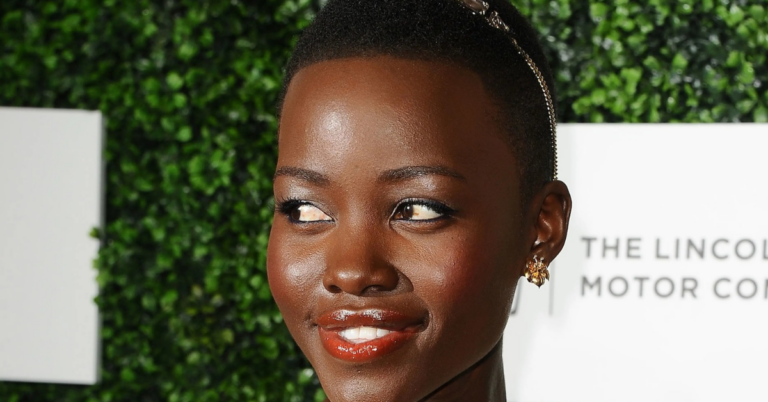
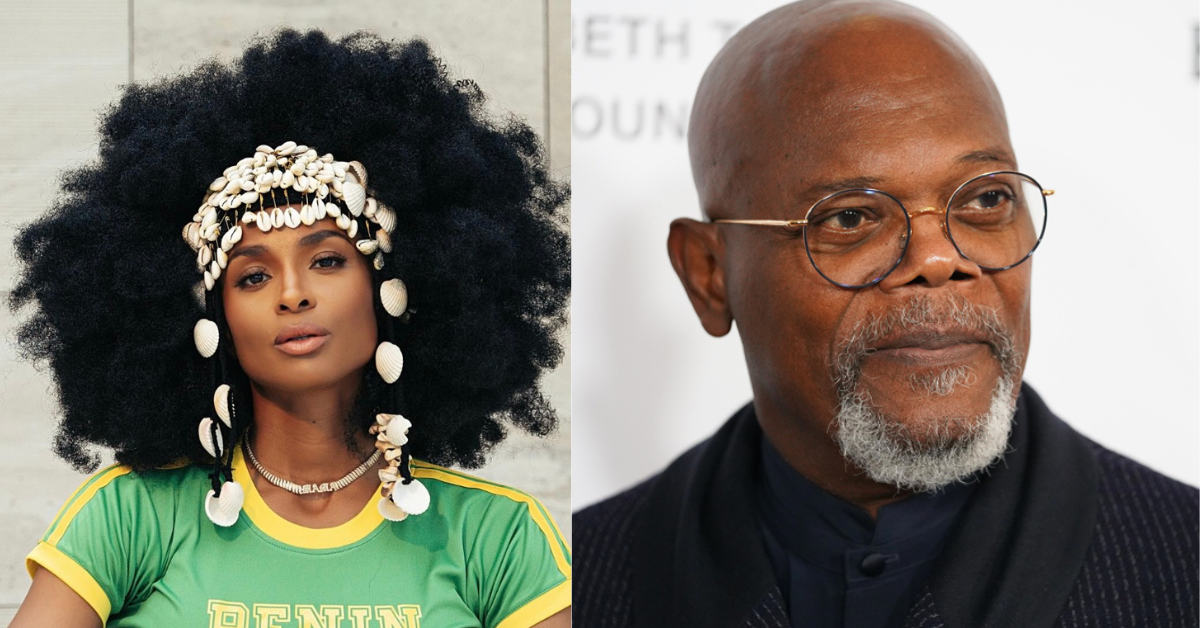
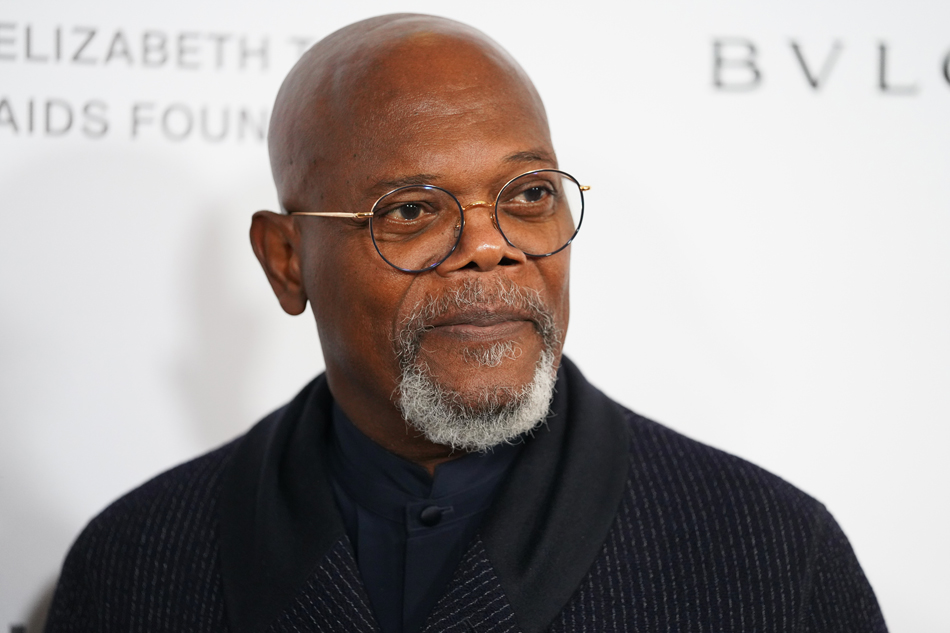
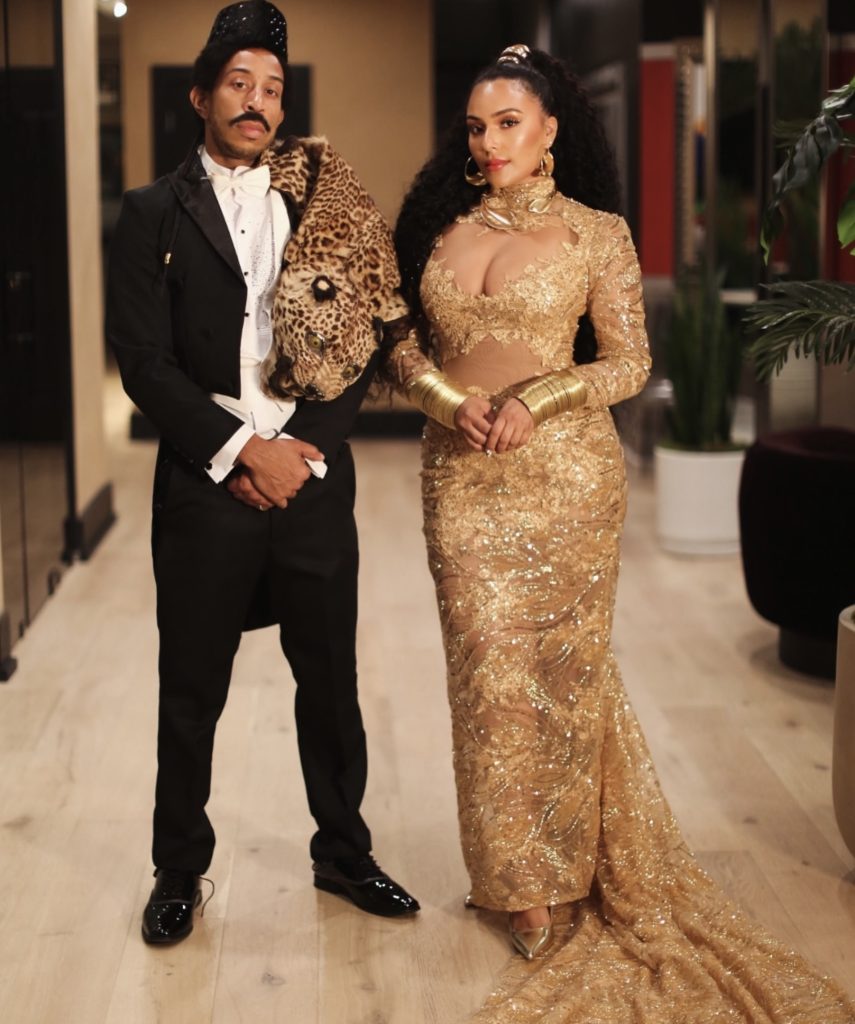
In recent years, several high-profile Black American celebrities have secured African citizenship. Singer Ciara became a citizen of Benin. Rapper Ludacris and Hollywood icon Samuel L Jackson received Gabonese nationality. Actors Meagan Good and Jonathan Majors gained Guinean citizenship after DNA testing traced their ancestry to the country. Music legend Stevie Wonder obtained Ghanaian citizenship, reinforcing Ghana’s long-standing pan-African positioning. Just last week, globally popular content creator IShowSpeed received approval for a Ghanaian passport during his whirlwind African tour.
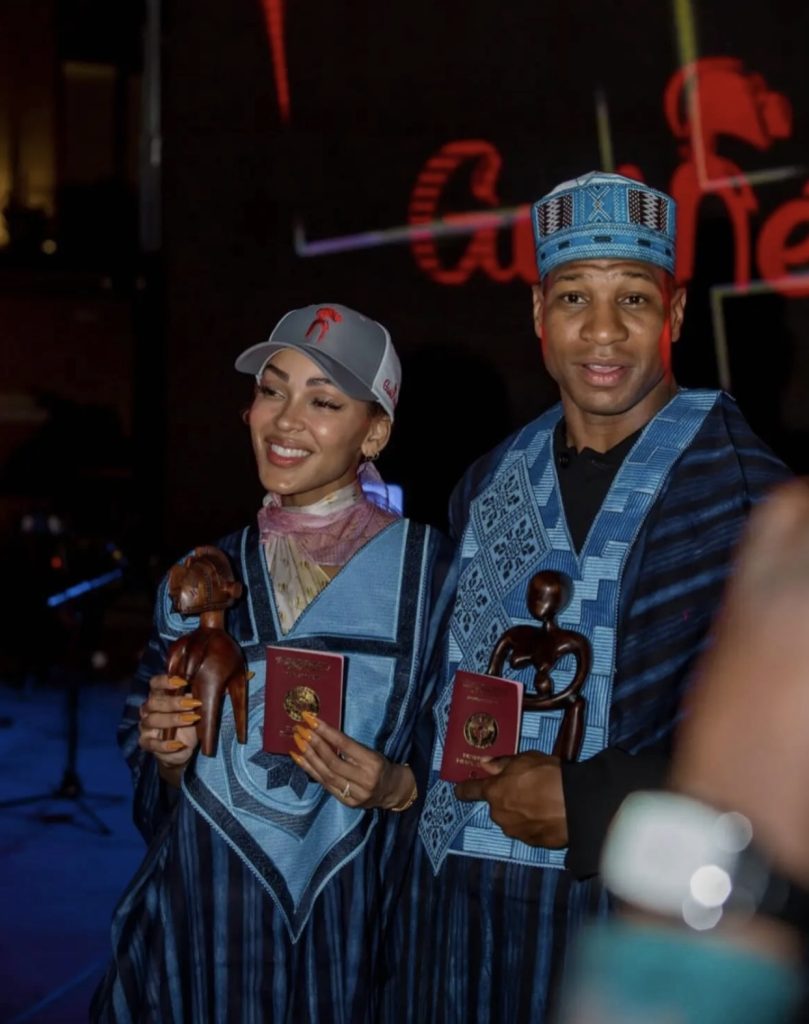
In many cases, the stars travelled for elaborate citizenship ceremonies that included cultural rituals and guided tours of heritage sites. Their visits generated viral content shared with millions of followers worldwide. Posting from her ceremony, Meagan Good told her 7.8 million Instagram followers, “This is history in motion.” She later described the recognition as a homecoming rather than a title.
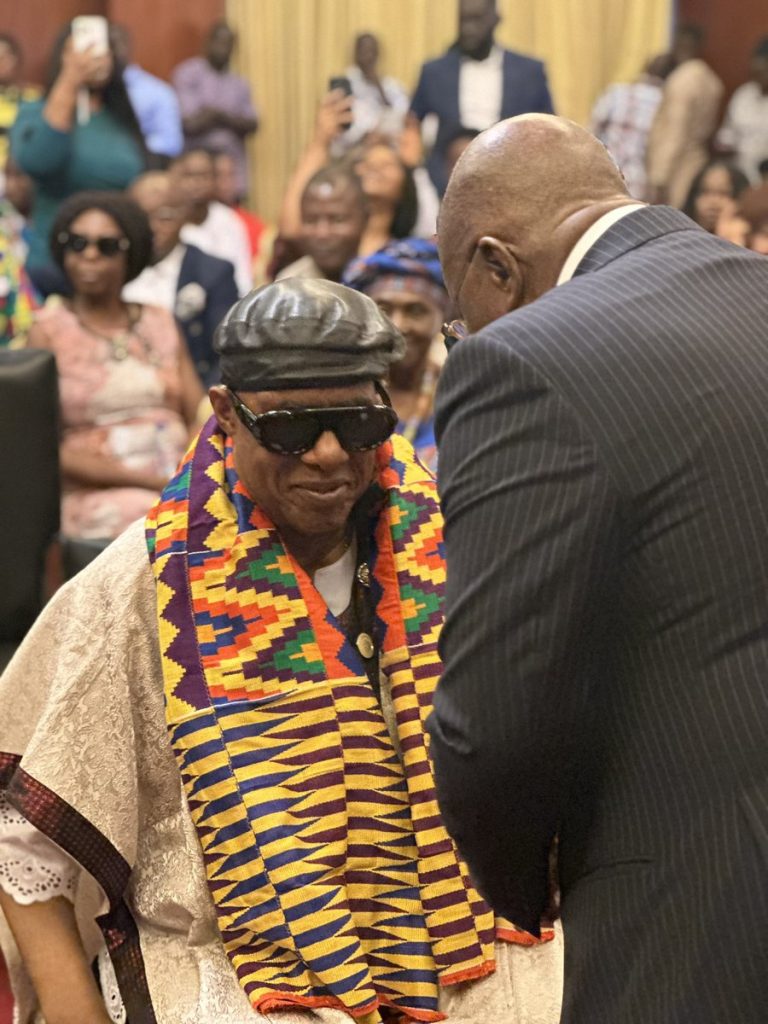
African leaders echo that message. Speaking at Stevie Wonder’s citizenship ceremony in 2024, former Ghanaian president Nana Akufo-Addo said the moment reaffirmed belief in pan-Africanism and the global African family. Ghana has long positioned itself as a hub for diaspora engagement, allowing people of African descent to apply for citizenship. That approach later inspired Benin to launch a similar programme.
Ghana also introduced the “Year of Return” initiative in 2019, encouraging Africans in the diaspora to visit, relocate or invest. According to Dr Erieka Bennet of the Diaspora African Forum, more than 1,000 African-Americans have moved to Ghana over the past decade. While cultural symbolism remains important, economic considerations increasingly drive the strategy.
Tourism sits at the centre of the plan. Governments hope that celebrity visibility will attract African-American travellers, a growing market with significant spending power. In Benin, President Patrice Talon has invested heavily in cultural heritage projects that highlight the country’s role in the transatlantic slave trade. Developments such as The Marina Project in Ouidah aim to transform historic sites into memorials and tourism hubs capable of generating long-term revenue.
Beyond tourism, soft power plays a critical role. By promoting culture and building international networks, countries like Benin, Guinea, Gabon and Ghana aim to expand their global influence. According to Beninois academic Francis Kpatindé, celebrity citizens act as informal ambassadors who place their adopted countries in front of global audiences. He argues that culture remains Benin’s strongest export and that celebrity attention has pushed the country into international conversations.
Despite the optimism, criticism has emerged. Some citizens argue that celebrities appear to bypass lengthy and costly passport processes that locals must endure. In Ghana, the announcement of IShowSpeed’s passport approval triggered debate on fairness and national identity. Critics questioned whether fame should influence citizenship decisions.
Ghanaian authorities responded by stressing that legal procedures remain in place, although certain steps may be waived. Benin’s tourism authority also rejected claims of preferential treatment, insisting that singer Ciara followed the same standard process as any other applicant.
Others worry the trend may prove superficial, with celebrities collecting passports, posting content and then disengaging. Government officials counter that citizenship does not come with contractual obligations. However, some stars have already demonstrated ongoing commitment. Ciara returned to Benin six months after receiving citizenship to perform at the Vodun Days festival. Meagan Good and Jonathan Majors have stated their intention to maintain long-term ties with Guinea.
Supporters argue that even short-term engagement delivers value. IShowSpeed, whose YouTube channel exceeds 50 million subscribers, currently commands massive global visibility. Analysts believe his association with Ghana alone provides priceless exposure that traditional marketing cannot match.
Experts caution that the true impact of celebrity citizenship will take time to measure. Economic and cultural returns may only become clear over the next decade or two. Still, momentum continues to build. Benin recently announced plans to establish a government agency dedicated to naturalising Afro-descendants. Ghana, meanwhile, has paused citizenship applications to redesign a more accessible system.
For advocates of the strategy, symbolism still matters. Pan-Africanism has long existed in speeches and slogans. By welcoming prominent members of the diaspora home, African governments believe they are finally turning words into action.