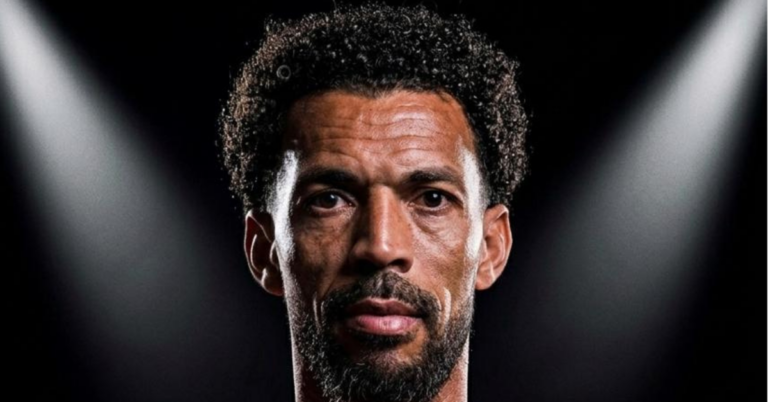
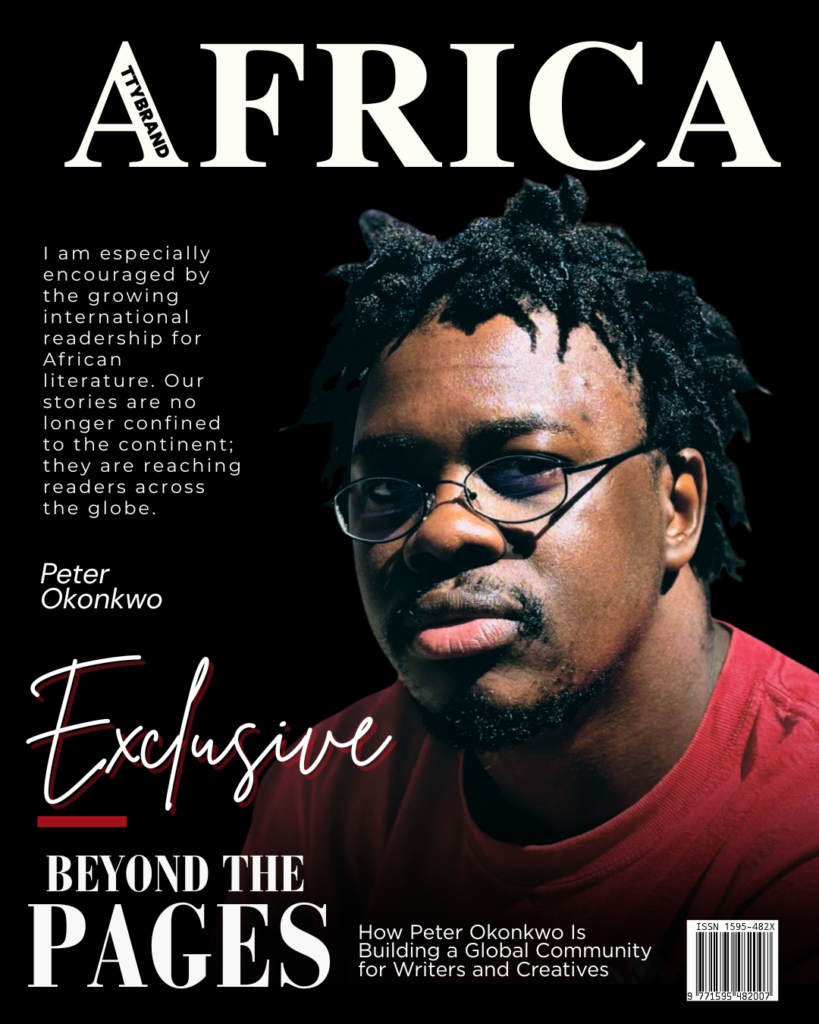
Peter Okonkwo, the founder of P. English Literature (PEL), has built a thriving global platform dedicated to spotlighting authors, creatives, and independent voices often overlooked by traditional publishing structures.
What began as a response to the challenges he personally faced as a self-published author has evolved into an international literary community with more than 20,000 subscribers, over 1,000 author interviews, and an expanding influence across continents. Through conversations that explore creativity, culture, identity, and storytelling, PEL continues to bridge the gap between writers and readers while preserving the transformative power of literature.
In this exclusive conversation with TTYBrand Africa Magazine, Peter Okonkwo reflects on the journey behind P. English Literature, the future of African storytelling, and why every creative voice deserves to be heard.
What inspired you to establish P. English Literature, and what vision continues to drive its growth today?
I founded P. English Literature in 2019 after publishing my first book, Ecstasy of the Dead. While seeking opportunities to promote the book, I repeatedly encountered a troubling bias against self-published authors. Many platforms initially expressed interest, only to withdraw once they learned the book was independently published. Those experiences revealed a widespread stigma that viewed self-published books as less valuable than traditionally published ones.
I knew that perception did not reflect reality. Having read many outstanding indie books, I believed independent authors deserved greater visibility and respect. That conviction inspired me to create P. English Literature—a platform dedicated to amplifying diverse literary voices, especially those often overlooked by the mainstream industry.
Six years later, that mission continues to drive our growth, helping us build a community of over 20,000 subscribers while championing exceptional writers from around the world.
From hosting conversations with authors to spotlighting creatives worldwide, how has your understanding of literature and storytelling evolved since launching PEL?
My understanding of literature and storytelling has evolved tremendously over the years. Through P. English Literature, I have had the privilege of interviewing more than 1,000 authors in the past six years. Beyond authors, I have also spotlighted a wide range of creatives, including artists, actors, content creators, theatre practitioners, storytellers, and founders of creative platforms.

Each conversation has been a unique learning experience, expanding my perspective on literature, creativity, and the many ways stories shape our world.
For me, every interview is an opportunity to discover something new. These conversations, combined with my work as a literary journalist, have deepened my appreciation of storytelling far beyond the written page. Over time, this journey has also led to speaking engagements, festival hosting, book club discussions, and literary events, allowing me to contribute to and celebrate literature in many different forms.
What role does literature play in shaping societies and influencing future generations?
Literature plays a vital role in preserving our history, culture, and identity. I often tell people that one of the best ways to ensure a story survives is to write it down. Traditions may fade and memories may be lost, but books have a unique ability to carry stories across generations.
What makes literature so powerful is that it does more than preserve the past, it also helps shape the future. Every book carries a message, whether it’s a memoir, a novel, a poem, or a piece of social or political commentary. Through storytelling, writers can challenge ideas, inspire change, and give voice to experiences that might otherwise go unheard.
Over the years, I’ve spoken with authors writing on a wide range of subjects, and one thing has become clear: stories matter. Long after writers are gone, their words continue to educate, inspire, and spark important conversations. That, to me, is the enduring power of literature.
What excites you most about the current literary landscape, and where do you see opportunities for African writers?

What excites me most about the remarkable global resurgence of African literature is seeing African stories receive the recognition they deserve on the world stage. Writers such as Chimamanda Ngozi Adichie, Wole Soyinka, and Chinua Achebe laid a strong foundation, and it is inspiring to see a new generation of African writers building on that legacy.
I am especially encouraged by the growing international readership for African literature. Our stories are no longer confined to the continent; they are reaching readers across the globe.
One of the greatest opportunities ahead is translation. When African books are translated into different languages, our voices, cultures, and experiences can travel even further while remaining authentic and undiluted. That growing visibility and appreciation make this an exciting time for African literature.
What common themes or challenges have you observed across the global literary community?
Through my engagement with authors and creatives from different parts of the world, I’ve come to notice some recurring and deeply powerful themes in global literature. Many writers explore war, survival, and displacement, often through heart-wrenching memoirs and lived experiences.
I’ve also encountered memoirs that speak about family struggles, illness, and personal battles, alongside diverse genres such as poetry, fantasy, and crime fiction.
These experiences have shaped my perspective as a literary advocate. Because I work closely with independently published authors, I’ve seen firsthand how rich and powerful indie books can be. Contrary to common misconceptions, many self-published works are exceptionally well written and deeply meaningful.
Discovering such talent across different cultures and genres continues to inspire me and reinforces my belief in the value of every storyteller’s voice.
How can technology help keep literature relevant and accessible to younger audiences?
I believe literary institutions, publishers, and the wider creative industry can use technology to keep literature relevant and accessible, especially for younger audiences. Social media platforms such as TikTok, Instagram, and Facebook offer powerful tools to make books more visible through engaging and creative content.
What excites me is how this shift is already happening. More young people are now creating book-related content, from reviews to discussions, and building vibrant online reading communities.
While reading habits among some young audiences may be changing, I think social media can help reverse that by making literature feel more relatable and fun rather than distant or intimidating. If used intentionally, these platforms can inspire curiosity, encourage deeper engagement with books, and ultimately strengthen reading culture in a way that speaks directly to today’s digital generation.
What are some of the most memorable moments from your journey with P. English Literature?
One of the most memorable aspects of my work with P. English Literature has been the deeply emotional conversations I’ve had with authors, especially memoirists.
I remember conversations with authors like Yvonne John around her book, Dreaming of a Life Unlived, which explores childlessness and grief, where the discussion became very moving and personal.
In some cases, authors have even shed tears during the interview as they share their experiences, whether about loss, family history, or healing.
These moments remind me that storytelling is deeply human. They’ve shaped my perspective as a literary advocate and strengthened my passion for memoirs in particular. I am continually inspired to keep listening, sharing, and amplifying stories that touch the heart, because every book carries a life within it.

What challenges have you faced while building P. English Literature?
The level of consistency behind what we do at P. English Literature has been quite demanding. When we started six years ago, I handled everything myself—reading and reviewing books, interviewing authors, designing flyers, scheduling and editing videos, publishing content, and even marketing.
It was overwhelming, but it helped build the foundation of what we have today.
Over time, I began delegating responsibilities, and now we have a structured team of literary assistants, video editors, and reviewers, while I focus mainly on interviews.
However, funding remains a major challenge. We initially relied on donations, but inconsistent support made it difficult to sustain the work and fairly compensate contributors, so we introduced an appearance fee.
Another challenge is visibility—reaching the right audience and growing subscribers, even with quality content. Despite this, we’ve expanded into a book club in Akure and co-founded the West Yorkshire Literary Collective in Leeds, continuing to build literary communities globally.
What is your long-term vision for P. English Literature?
The long-term vision for P. English Literature is to become a vibrant global hub where readers, writers, and scholars come together to celebrate books and literary culture.
We hope to host regular literary festivals featuring prominent authors, live discussions, and large audiences in a dedicated hall designed for meaningful engagement around literature. Alongside this, we envision establishing a physical library, the P. English Literature Library, serving as a rich resource for readers and researchers.
Beyond events and infrastructure, we aim to continue producing in-depth book reviews, literary analysis, and author interviews that serve as valuable academic resources for students at all levels.
Ultimately, P. English Literature seeks to foster an inclusive global cultural exchange, promoting English literature without boundaries and amplifying diverse voices from across the world.
What message would you leave for aspiring writers, storytellers, and young creatives across Africa?
My message to aspiring writers, storytellers, and young creatives across Africa is simple: just start. Do the work, put your work out there, and don’t let criticism or fear hold you back. It may take time to find your feet, but if there is a story in you or a passion you feel drawn to, follow it fully.
When I started out, I faced real challenges; unreliable electricity, lack of proper equipment, funding issues, and even difficulties attracting clients, partly due to stereotypes and perceptions about Nigeria. But those challenges didn’t stop the journey.
The key is to stay authentic. Learn from others, but don’t copy their style. Build your own voice, your own brand, and let it reflect who you truly are.
Keep creating, because every story you tell has the potential to open doors you never imagined. Keep dreaming and more importantly, keep going.



- Burkina Faso Displays Chinese Sky Dragon 30 Air Defense System

- Tony Elumelu’s Seplat Stake Adds N311.5 Billion in Two Weeks
- Yibrah Tesfazghi to Lead AEBS 2026 Masterclass Conversation on Building African Businesses for Global Impact

- Justin Trudeau Launches Media Production Company Hope and Hard Work

- Burna Boy Becomes First Nigerian Artiste to Hit 4 Billion YouTube Views