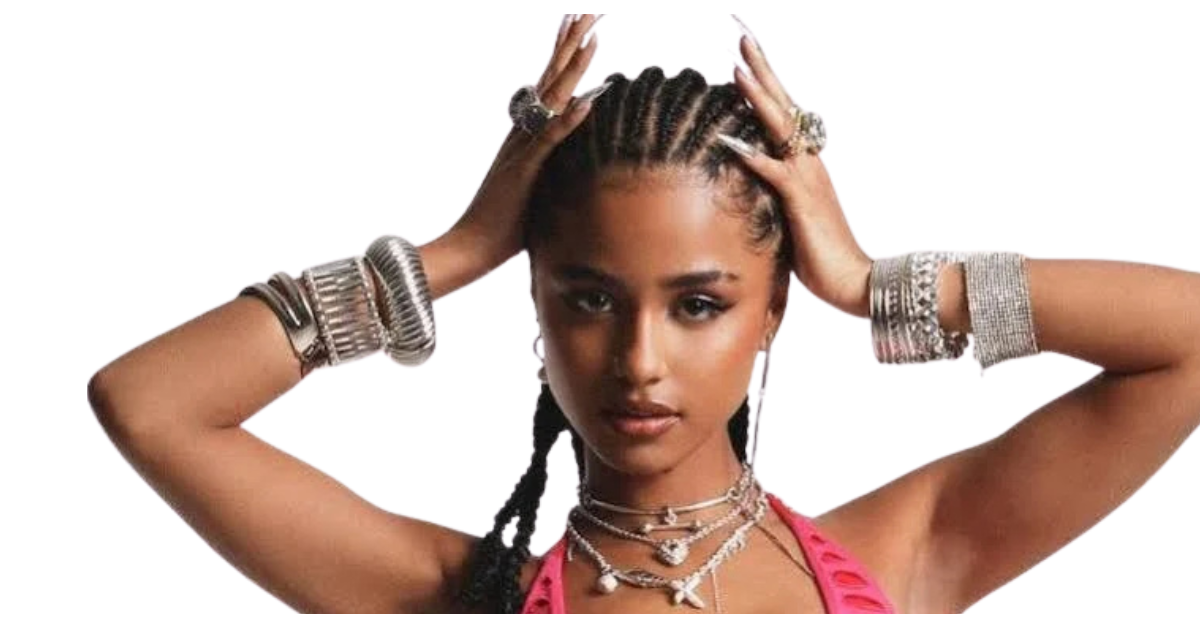
South African Grammy winning singer Tyla has removed Lagos from the schedule of her highly anticipated APOP World Tour, following days of intense public backlash and calls for a boycott linked to renewed xenophobic attacks against Nigerians living in South Africa.
The decision has sparked fresh debate across Africa’s entertainment and cultural sectors, highlighting how geopolitical tensions can influence major live events, artist branding, and cross border business opportunities.
A review of Tyla’s official tour schedule on Friday confirmed that the Lagos performance, originally planned for December 22, no longer appears on the itinerary.
The updated tour schedule continues with performances across Europe, North America, and South Africa, including the previously announced finale dates in Cape Town on January 4 and Johannesburg on January 9. Nigeria has been removed entirely from the tour lineup.
The Lagos concert was initially announced earlier this week as Tyla’s only Nigerian stop before concluding the global tour in South Africa.
The announcement quickly generated strong reactions on social media, where many Nigerians questioned whether South African entertainers should continue performing in Nigeria while reports of xenophobic violence against foreign African nationals persist.
While some users argued that artists should not be held responsible for political developments, others insisted that public figures have a responsibility to speak out against attacks targeting fellow Africans.
The controversy escalated after Nigerian activist Martins Otse, widely known as VeryDarkMan, publicly declared that members of his Ratel Movement would mobilise to stop the concert if it proceeded in Lagos.
In a statement shared on Facebook, the activist expressed solidarity with victims of xenophobic attacks and urged Nigerians to reject performances by South African celebrities who, according to him, had remained silent on the issue.
The planned boycott campaign, however, was not universally supported.
African Action Congress presidential candidate Omoyele Sowore argued that Tyla should not be blamed for crimes committed by others, urging Nigerians to separate music from political tensions.
Sowore maintained that public frustration should be directed toward those responsible for xenophobic violence rather than individual entertainers.
The removal of Lagos from the tour schedule comes as concerns continue to grow over the safety of Nigerians in South Africa following renewed reports of alleged xenophobic attacks and the deaths of Nigerian nationals, including Chika Ibe in Cape Town.
As of publication, neither Tyla nor her management has issued an official explanation for the disappearance of the Lagos concert from the tour schedule.
Likewise, the concert promoters have not announced whether the event has been cancelled permanently or postponed to a later date.
The development leaves fans, promoters, and stakeholders within Nigeria’s live entertainment industry awaiting clarity on the future of what had been expected to be one of the country’s biggest international music events of the year.