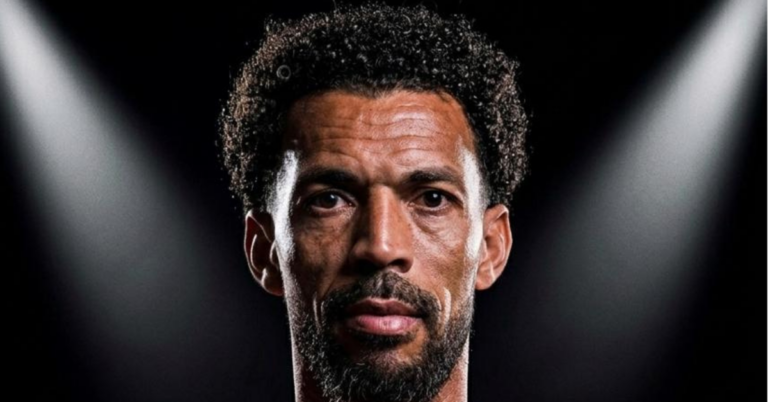
Nigeria is on course to become the third largest economy in the world by 2050, with a projected GDP of $15 trillion, according to Boris Kodjoe. Speaking on the One54 Podcast hosted by Godfrey and Akbar Gbajabiamila, Boris Kodjoe delivered a confident outlook on Africa’s economic trajectory and Nigeria’s central role in that rise.
Boris Kodjoe stated clearly that Nigeria’s GDP could hit $15 trillion within the next 25 years. He stressed that the country has the population scale, digital momentum, and entrepreneurial energy to compete globally. According to Boris Kodjoe, Africa’s growth story is no longer about future promise but about measurable progress happening right now.
Across the continent, four of the ten fastest-growing economies in the world are based in Africa. As a result, global capital is shifting attention toward African markets. Technology, artificial intelligence, finance, infrastructure, and real estate continue to expand at an accelerated pace. Boris Kodjoe noted that these sectors are driving serious wealth creation and long-term investment opportunities.
Demographics remain Africa’s strongest advantage. By 2050, nearly 40 percent of the world’s youth will live in Africa. Boris Kodjoe emphasized that this youthful population will transform global labor markets and innovation ecosystems. With millions of young entrepreneurs entering the workforce, Africa stands positioned to lead in creativity, technology adoption, and digital enterprise.
At the same time, smartphone penetration is reshaping commerce across the continent. Africa is expected to surpass 900 million smartphone users by 2030. This digital access fuels fintech expansion and mobile payments at scale. Long before digital wallets became common in Western economies, African countries such as Kenya had already built strong mobile payment systems. Consequently, Africa continues to lead in several aspects of mobile-driven financial services.
Boris Kodjoe also challenged outdated narratives that frame Africa as a continent dependent on aid. He argued that engagement with Africa represents smart economic investment, not charity. Investors who understand Africa’s numbers, resources, and consumer base see long-term value in the market. Therefore, Boris Kodjoe described current efforts as economic development rooted in strategic growth.
Meanwhile, international partnerships continue to deepen. Countries like China have invested in African infrastructure and trade for decades. Their sustained involvement reflects growing global recognition of Africa’s economic relevance. Boris Kodjoe pointed out that such long-term engagement proves the continent’s markets are both viable and competitive.
Nigeria stands at the center of this transformation. With its expanding digital economy, rising urban population, and growing middle class, the country is positioned to shape Africa’s next economic chapter. Boris Kodjoe believes Nigeria’s scale alone makes it a decisive player in global economic rankings by 2050.
Africa is no longer emerging. It is accelerating. With youth power, technology adoption, and expanding investment flows, the continent continues to redefine global growth patterns. According to Boris Kodjoe, Nigeria’s projected rise to a $15 trillion economy signals a broader shift in economic power toward Africa.