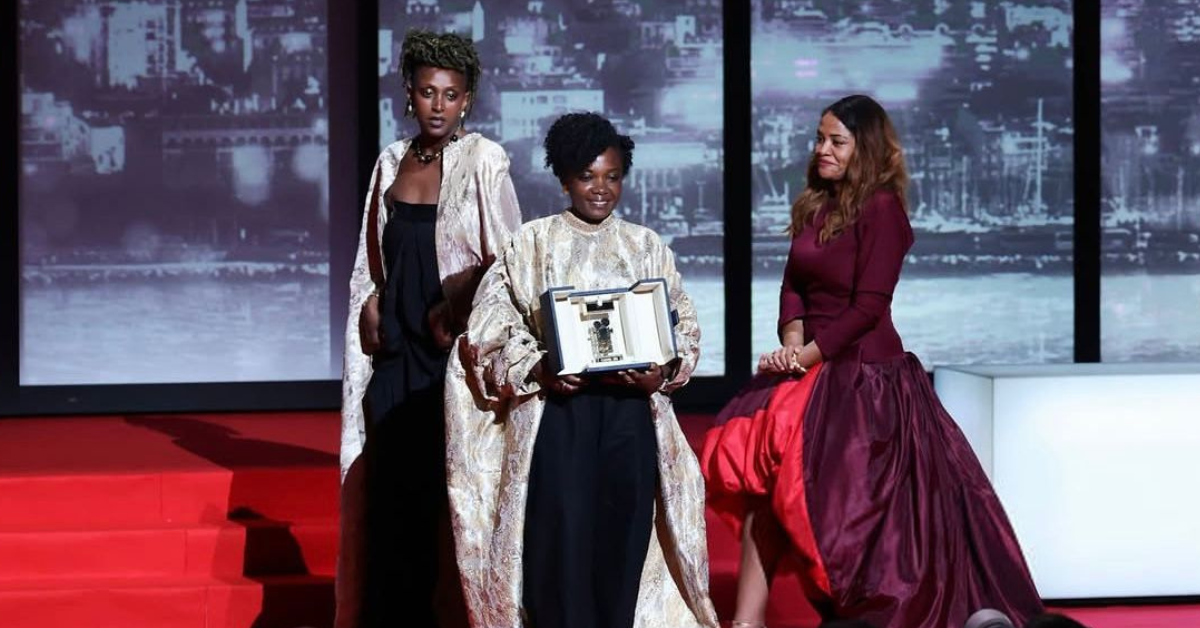
Rwandan filmmaker Marie-Clémentine Dusabejambo has won the prestigious Caméra d’Or at the 2026 Cannes Film Festival for her debut feature film, Ben’Imana, securing one of the festival’s most respected recognitions awarded to the best first feature across all Cannes selections.
The historic achievement positions Dusabejambo among Africa’s growing generation of filmmakers reshaping global narratives through deeply personal and socially relevant storytelling.
Her emotional acceptance speech quickly resonated beyond Cannes.
“I made this film because I wanted to pay tribute to the women of my country,” Dusabejambo said after receiving the award.
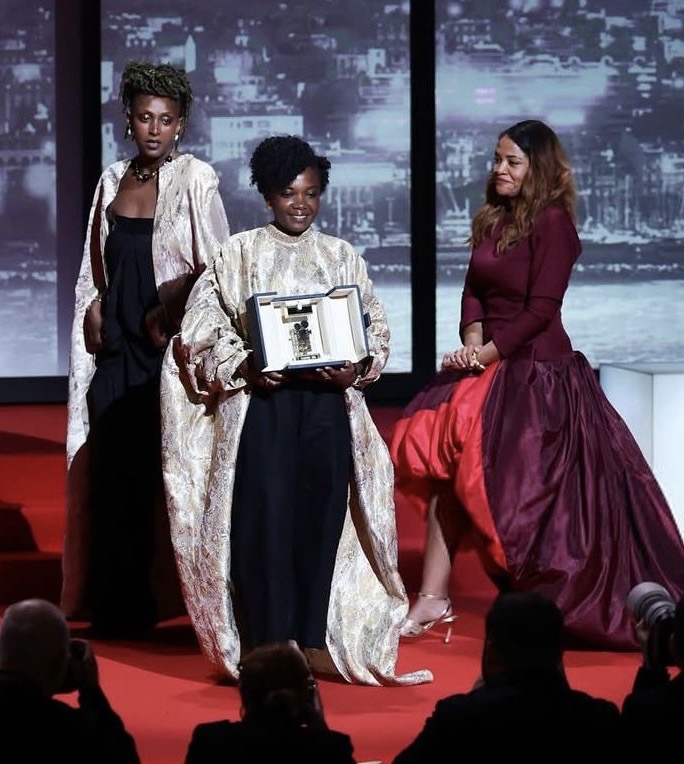
“Those mothers who are at the root of an entire nation’s healing… who found the strength to remain standing with dignity, to forgive, and to move forward. That humanity and bravery deserve to be uplifted.”
The filmmaker dedicated Ben’Imana to Rwandan women whose resilience contributed to rebuilding communities following the country’s painful history.
Why Ben’Imana Is Receiving Global Attention
The film had already emerged as one of Cannes’ most discussed African productions before winning the award.
Reports from the festival revealed that Ben’Imana earned a standing ovation and received the International Critics’ Prize (FIPRESCI Award) in the Un Certain Regard category.
Set 18 years after the Rwandan genocide, the story follows three women from the same family and explores healing, memory, reconciliation, and intergenerational resilience.
Critics have praised the film for addressing difficult historical realities while centering forgiveness, dignity, and hope.
The project represents an international collaboration, co-produced by Rwanda, Gabon, France, Norway, and Côte d’Ivoire, highlighting increasing cross-border investment in African cinema.
A Major Win for Rwanda and African Storytelling
Dusabejambo’s victory arrives during a period of growing recognition for African filmmakers at major international festivals.
For years, conversations around African cinema largely focused on emerging potential. Increasingly, African creators are now receiving top honors and influencing global film culture.
The Red Sea Film Foundation, which supported Ben’Imana through its funding initiatives, also celebrated the achievement, describing the award as an important moment for African creative industries.
The Caméra d’Or win reinforces Rwanda’s expanding cultural footprint and demonstrates how African stories rooted in local realities continue to resonate worldwide.
The Bigger Picture: African Films Are Shifting Global Narratives
Across Cannes, Venice, Toronto, and Berlinale, African filmmakers have increasingly challenged outdated portrayals of the continent by producing stories grounded in identity, resilience, innovation, and humanity.
Ben’Imana joins a growing list of films proving that African narratives are not peripheral—they are central to contemporary global storytelling.
For many observers, Dusabejambo’s victory represents more than a personal achievement.
It signals another step toward broader recognition of African voices shaping the future of world cinema.