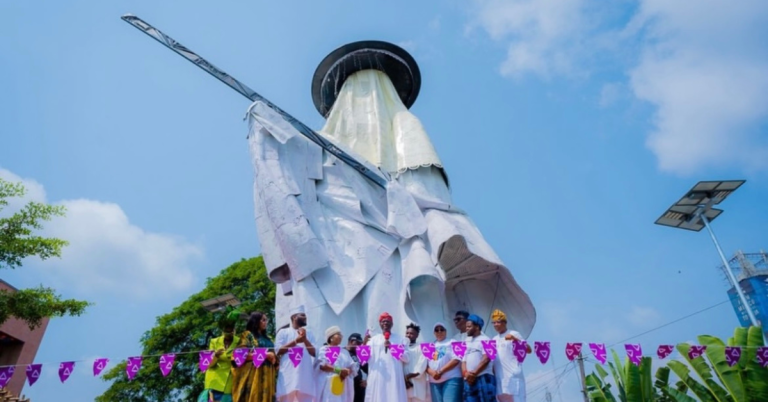
Culture, fashion and heritage are converging once again in Ijebu Ode as Ojude Oba Festival 2026 continues to cement its reputation as Nigeria’s most stylish cultural celebration.
What began decades ago as a post-Eid homage to the Awujale of Ijebu land has evolved into one of Africa’s most anticipated cultural events blending tradition, luxury fashion, tourism and modern African creativity on a grand scale.
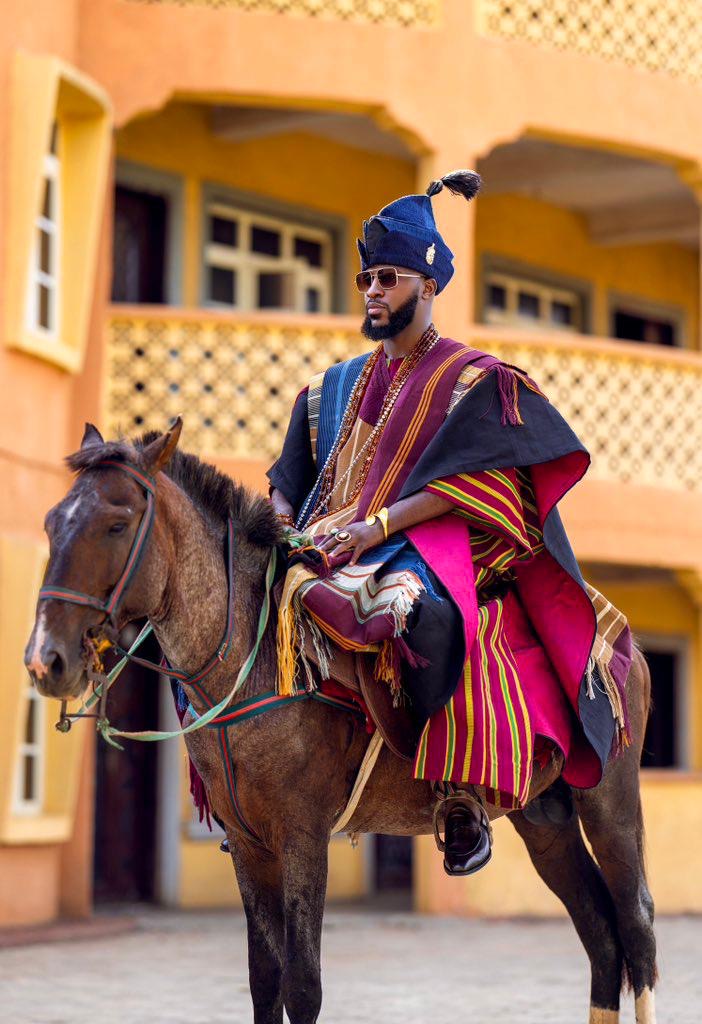
This year, thousands of attendees flooded Ogun State for the annual festival, turning the historic town into a vibrant display of coordinated family regalia, richly woven aso-oke fabrics, coral beads and majestic horse-riding processions. Across social media, stunning visuals from the event continue to dominate conversations, with many describing Ojude Oba as Africa’s ultimate cultural runway.
Beyond its deep-rooted cultural significance, Ojude Oba has become a powerful platform for fashion expression and identity. Designers, stylists, photographers and creatives now use the festival to showcase African craftsmanship and luxury fashion to global audiences.
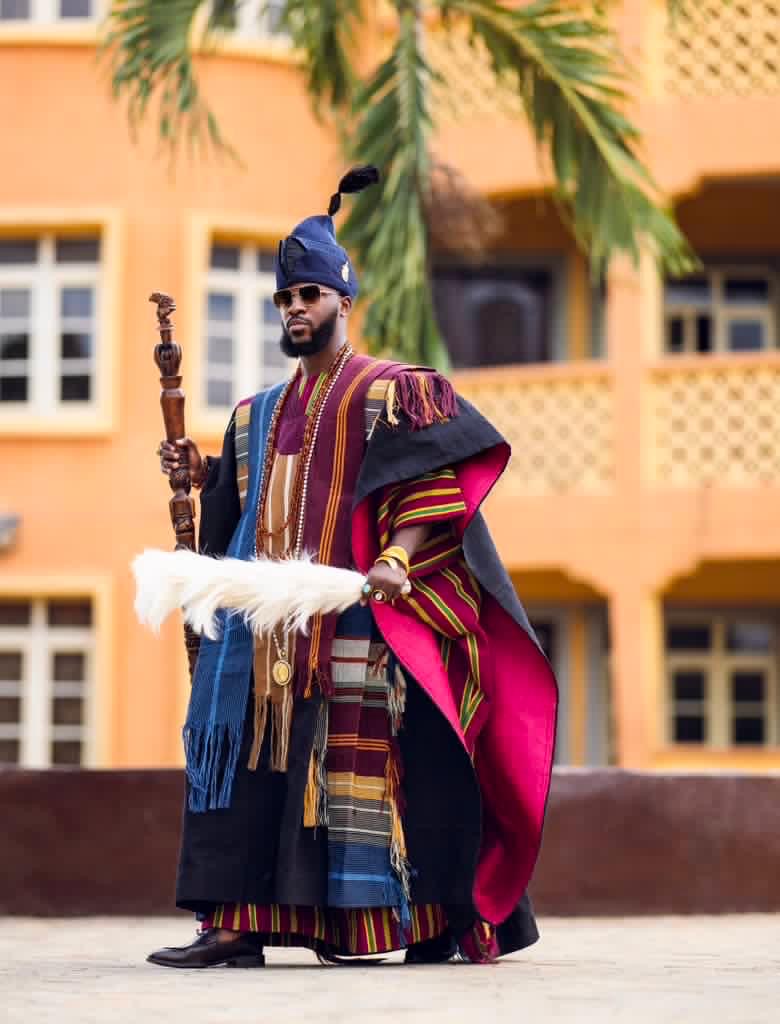
Among the standout personalities at this year’s edition was fashion entrepreneur and style influencer Akin Faminu, whose regal appearance quickly became one of the festival’s defining fashion moments. Sharing images from the celebration, he described his look as “An Ode to Ijebu Heritage,” celebrating royalty and culture through a sophisticated traditional ensemble designed in collaboration with Blackadudu007.
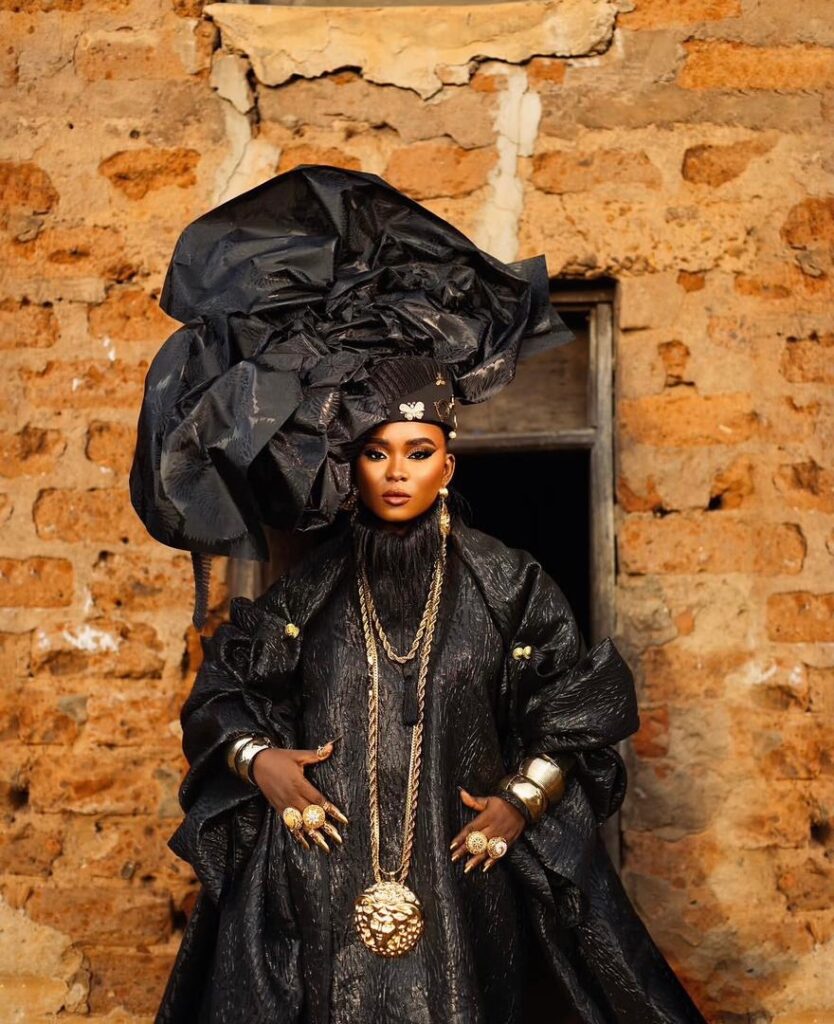
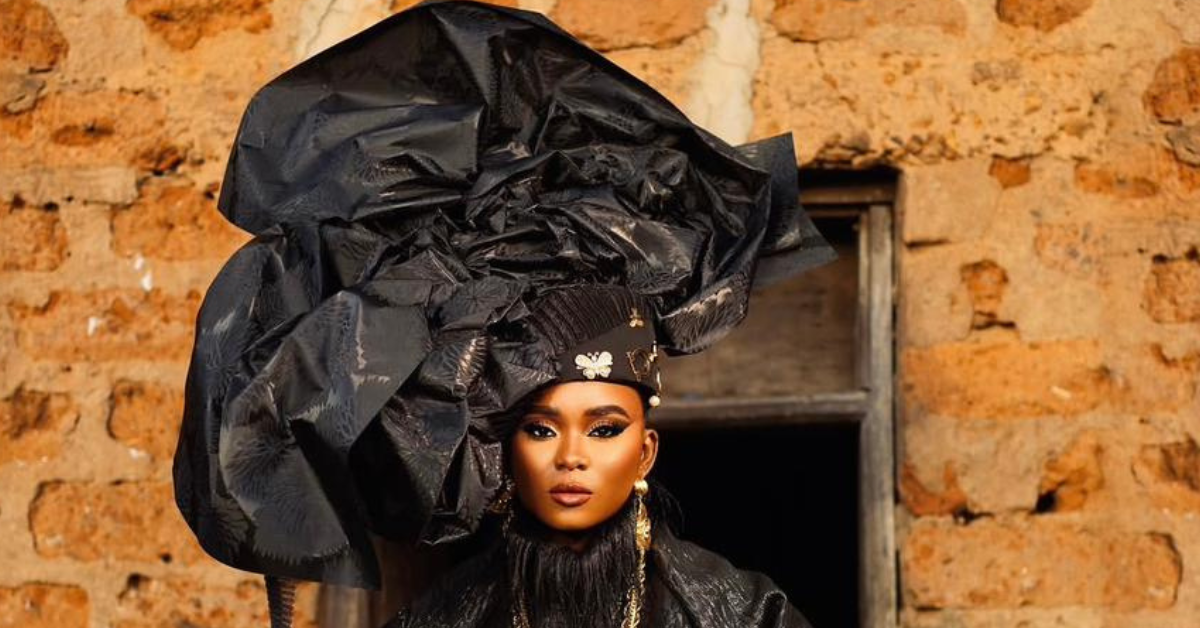
Content creator Ebbie Kikz also captured attention with her striking fashion concept titled “Ancestral Maximalism – The Modern Ijebu Woman.” Styled by Mayoks Michael and dressed by Shakara Trybe, her look blended tradition with contemporary African fashion storytelling, reflecting the festival’s evolving creative influence.
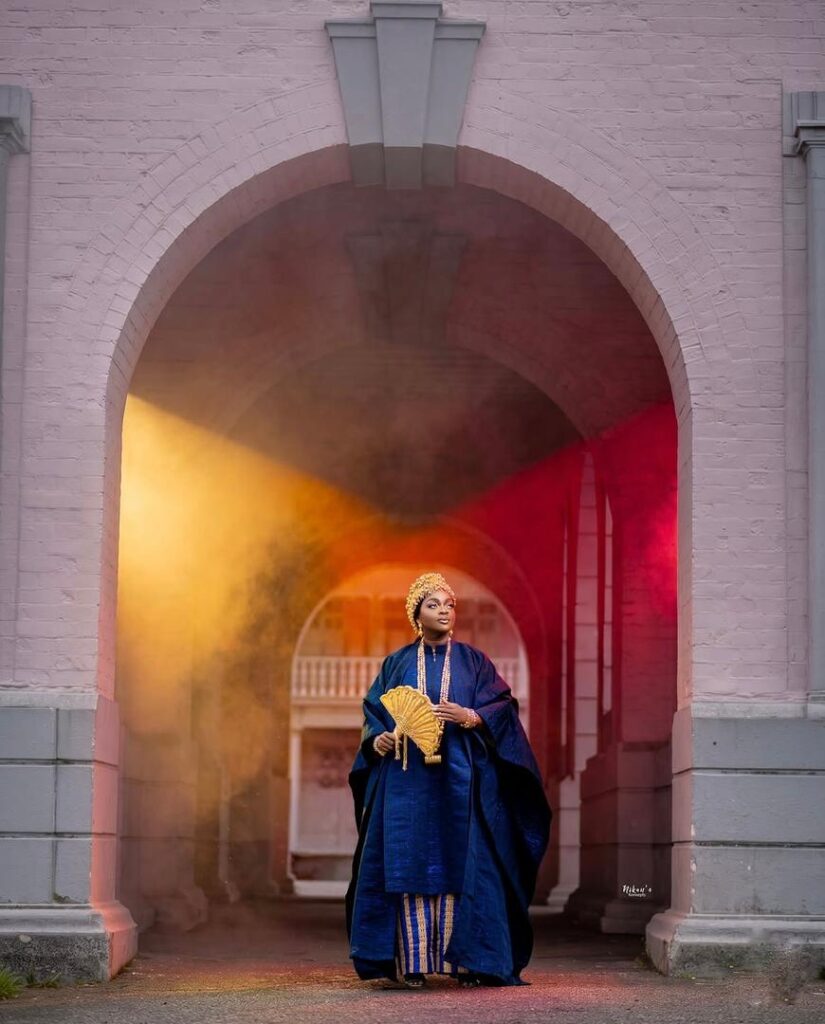
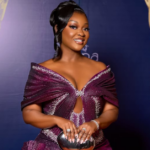
Nollywood actress Eniola Badmus embraced the grandeur of Ojude Oba in an elaborately styled aso-oke outfit crafted by Lolars Finesse. Complemented by coral-inspired accessories and premium traditional detailing, her appearance became one of the most circulated celebrity looks from the festival.
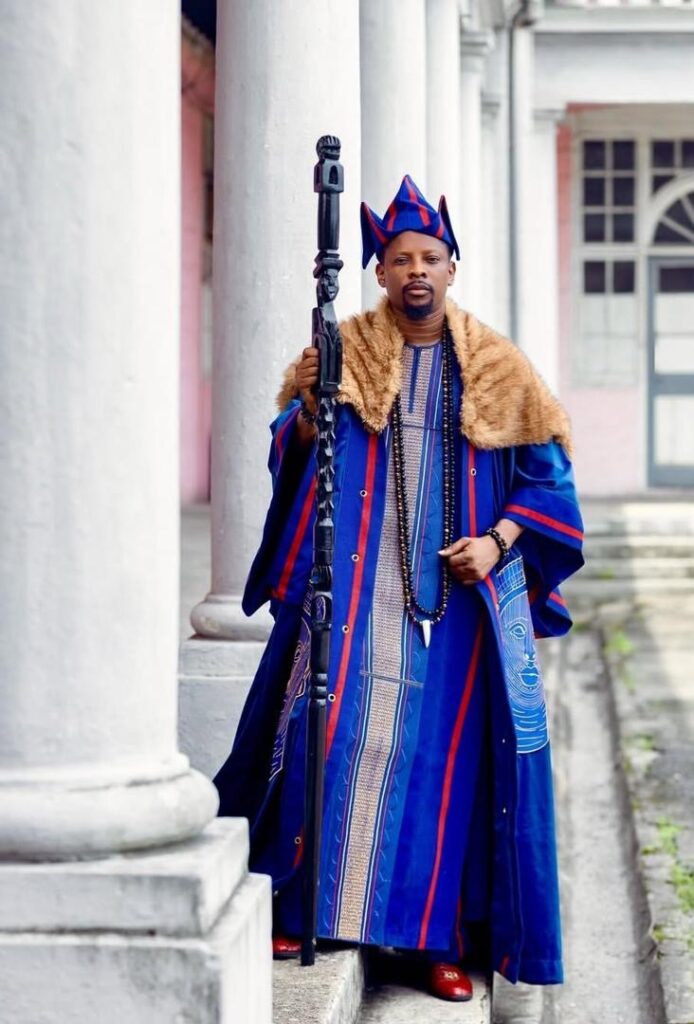
Meanwhile, media personality Salami Rotimi celebrated his cultural roots through a powerful visual tribute to heritage and identity. Describing himself as “a warlord, a tribesman and the pride of my people,” his appearance resonated strongly with younger audiences reconnecting with tradition through fashion and storytelling.
This year’s festival also carried historic significance as it marked the first Ojude Oba celebration without the late Awujale of Ijebuland, Oba Sikiru Adetona, who passed away last year after a remarkable 65-year reign. Despite concerns surrounding the continuity of the event during the interregnum, organisers confirmed that the late monarch had strongly advised against suspending the festival.
Today, Ojude Oba stands as more than a cultural gathering. It has become a thriving symbol of African excellence, creative economy growth and cultural tourism. From luxury fashion showcases to global digital visibility, the festival continues to redefine how African heritage is celebrated in the modern era.
As Ojude Oba 2026 unfolds in grand style, one thing remains clear, Nigeria’s most stylish cultural festival is no longer just a local tradition. It is now a global cultural statement.
- Nigerian Afrobeats star Ayra Starr is set to make history at the NFL’s game

- Burna Boy, Shakira’s “Dai Dai” Hits 1 Billion YouTube Views

- Davido Thrills London Fans, Announces 2027 Stadium Tour
- Angélique Kidjo Makes History on Hollywood Walk of Fame
- Ghana Movie Awards 2026 Red Carpet Sets New African Fashion Standard