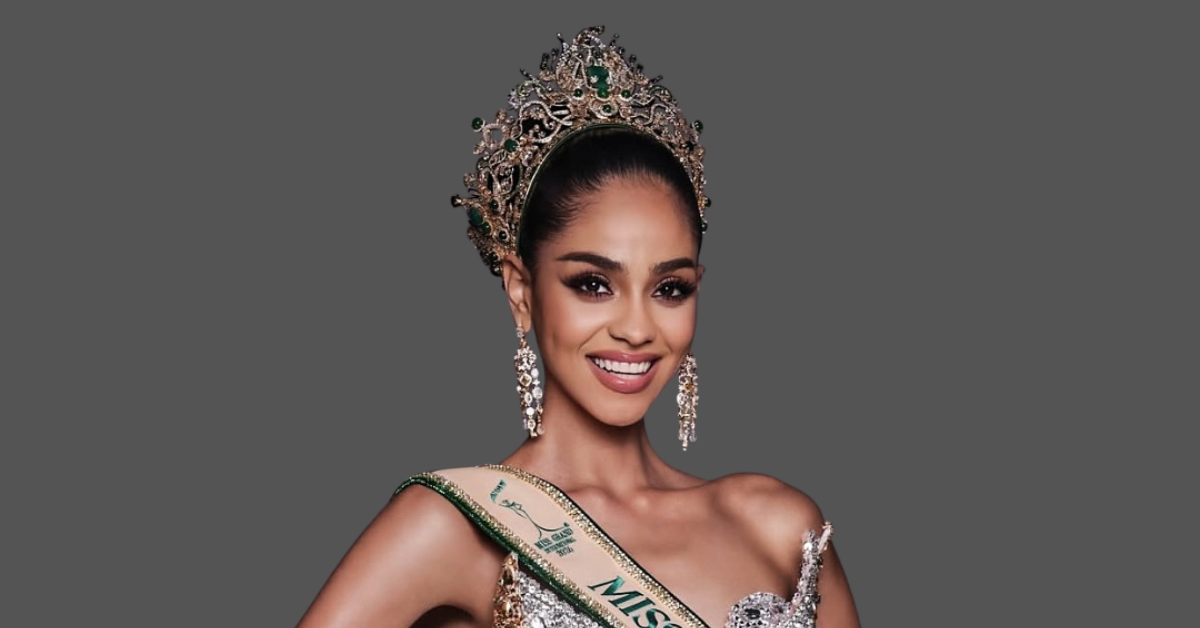
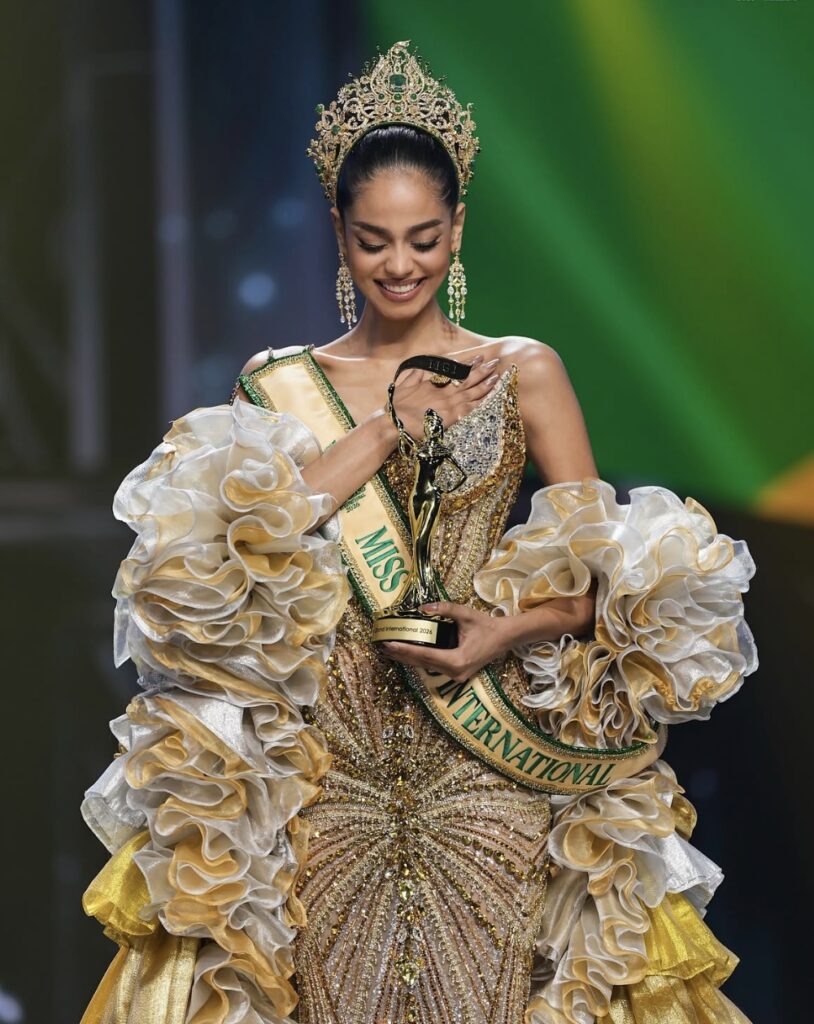
Jihan Dimack’s historic Miss Grand International 2026 victory has become a defining moment for African representation. But beyond the crown lies a more compelling story: a young woman who spoke about love as a weapon against inequality, peace as an act of courage, and kindness as the foundation of empowered leadership.
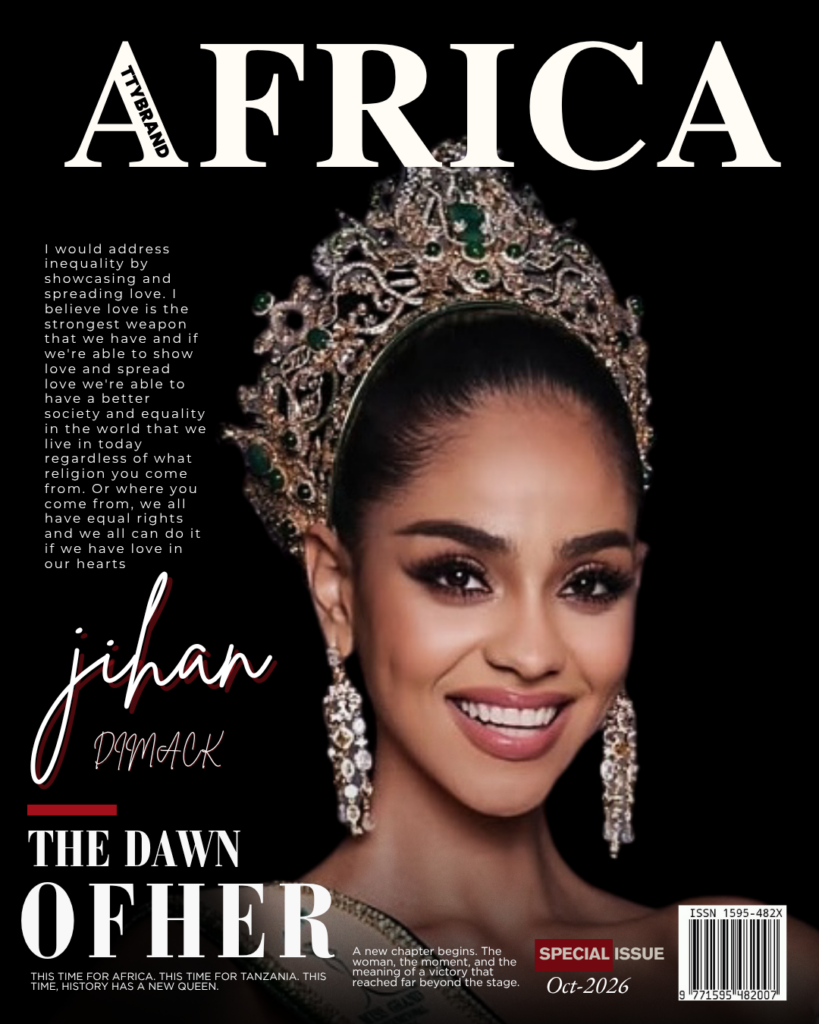
T here are moments when a crown becomes more than a symbol of beauty. It becomes a statement. A declaration. A defining chapter in the story of a people who have waited to see themselves represented at the highest level.
For Tanzania, that moment has arrived.
For East Africa, it has become a celebration of unity.
And for the African continent, it is a moment that demands to be remembered.
The crown has found its queen. But the significance of this moment reaches far beyond the coronation.
It lives in the determination that brought Jihan to the global stage. It lives in the voices that rallied behind her. It lives in the pride of Tanzanians who watched their representative compete with the hopes of a nation behind her. And it lives in the message she delivered when the spotlight turned from her appearance to her convictions
THE JOURNEY BEHIND THE CROWN
A historic victory may appear sudden to those watching, but the preparation behind it often takes years.
Jihan began working at 17, an early start that exposed her to responsibility and the realities of building a professional life. Her experience across modelling and commerce gave her opportunities to develop her confidence, communication and understanding of different audiences.
Her work in live commerce in China also placed her in a commercial environment shaped by digital engagement and direct interaction with consumers. It added another dimension to a career that extended beyond the pageant world.
These experiences matter because they provide context for the woman who eventually stepped onto the international stage. Jihan was not defined by a crown before she won one. She had already begun building a life through work, learning and professional exposure.
Her victory did not erase that journey. It brought it into focus.
Behind the public image of a beauty queen is a young woman who has had to learn, adapt and prepare. The applause may last a moment, but the work that precedes it is rarely so brief.
THE DAWN OF HER
Every historic first opens a door. What follows depends on the person who walks through it and the people encouraged to follow.
Dawn is not the end of a journey. It is the arrival of a new beginning. It is the moment when what was previously hidden begins to take shape, when the horizon becomes visible and the possibilities of the day ahead start to emerge.
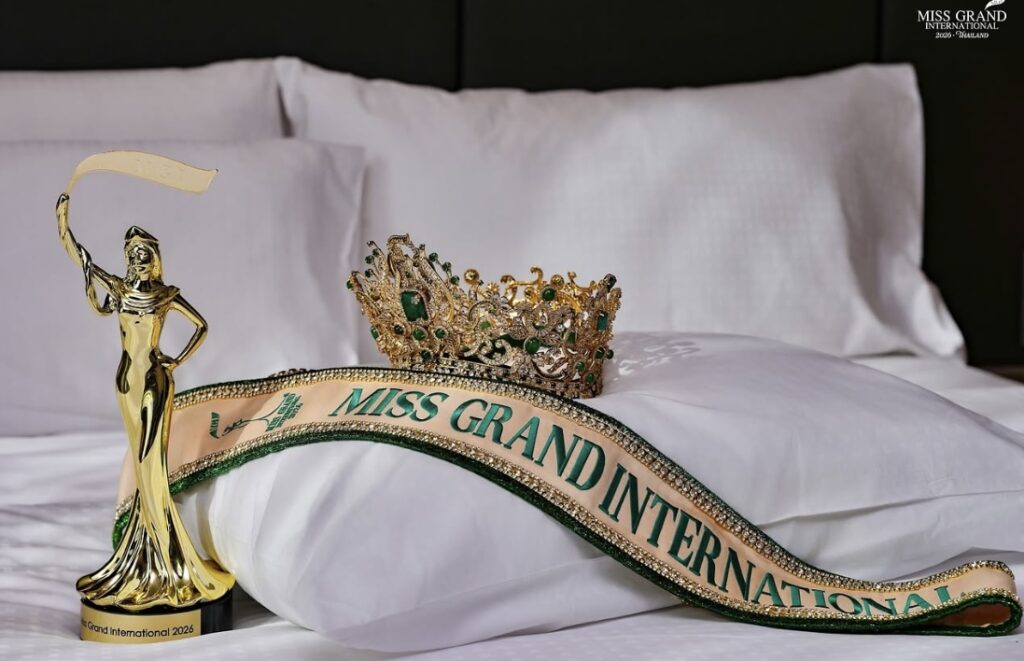
For Jihan Dimack, winning Miss Grand International 2026 is a defining achievement. It recognises her success in the competition, marks a first for Africa and offers young women another example of ambition reaching an international stage.
Her story began before the crown, with work and experience. It reached a defining moment through her performance. And it became something larger through the pride and support expressed across Africa.
The achievement belongs to Jihan. The history belongs in the record of the competition. The inspiration it creates is something others may carry into their own lives.
A CROWN THAT OPENED A NEW CHAPTER FOR AFRICA
For years, international beauty pageants have offered contestants a platform to represent their countries, communicate their values and demonstrate their ability to connect with audiences beyond national borders.
Winning such a competition requires more than an appearance before the judges. It calls for composure, communication, confidence and the ability to make a meaningful impression under extraordinary pressure.
Jihan’s victory brought those qualities into focus.
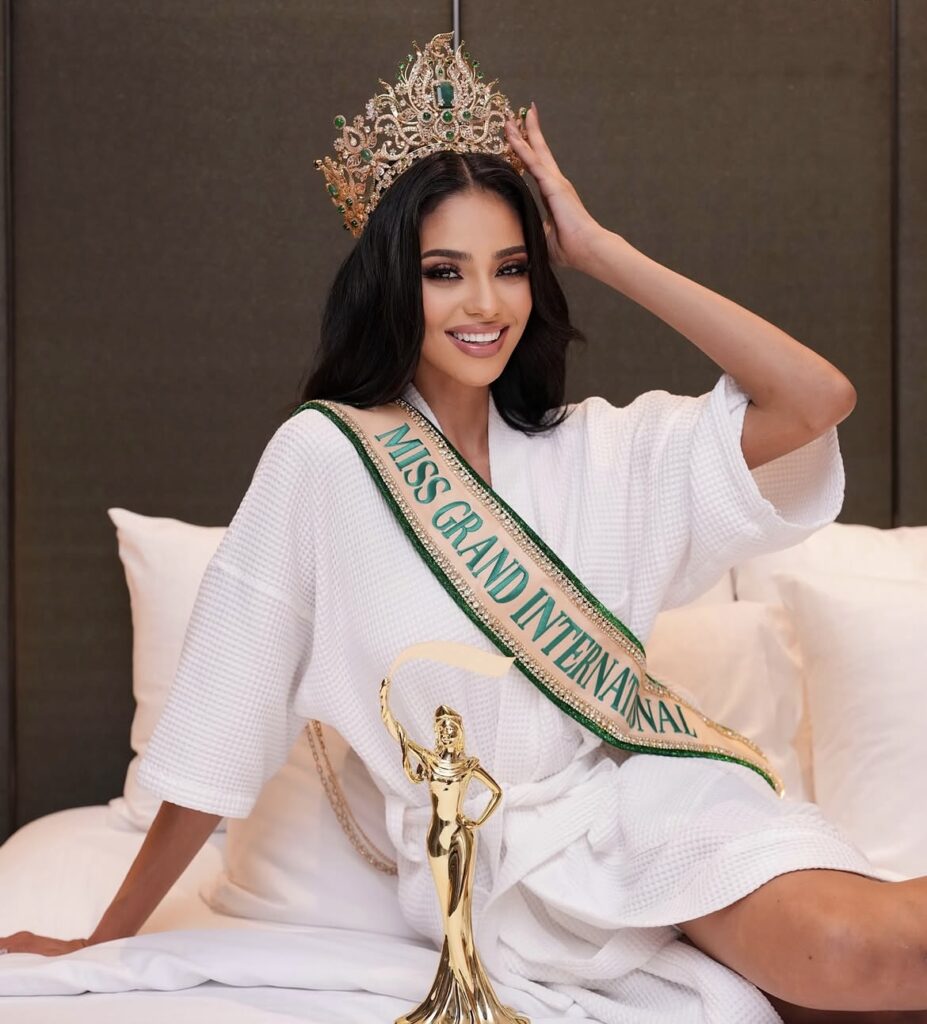
As Miss Grand International 2026, she became the first African woman to claim the title, marking a new chapter in the competition’s history. Her achievement also placed Tanzania’s representation in international pageantry under an unprecedented spotlight.
For young African women watching from Dar es Salaam, Arusha, Nairobi, Kampala, Lagos, Accra and beyond, the significance was immediate. Here was a woman from the continent standing at the summit of an international competition, demonstrating that African women could compete, communicate and triumph on a global stage.
Representation matters because visibility changes the boundaries of possibility.
When young women see someone from their continent occupy a space in which their presence has historically been limited, the achievement becomes more than an individual accomplishment. It becomes a reference point for ambition.
It offers a different answer to the question of who can stand on the world’s biggest stages.
Jihan’s crown did not create the talent, intelligence or ambition of African women. Those qualities have always existed. But her victory created a moment in which the world was compelled to acknowledge them through an extraordinary achievement.
She did not simply carry Tanzania’s flag onto the global stage. She carried a new image of African possibility into the conversation.
WHEN A CONTINENT SHOWED UP
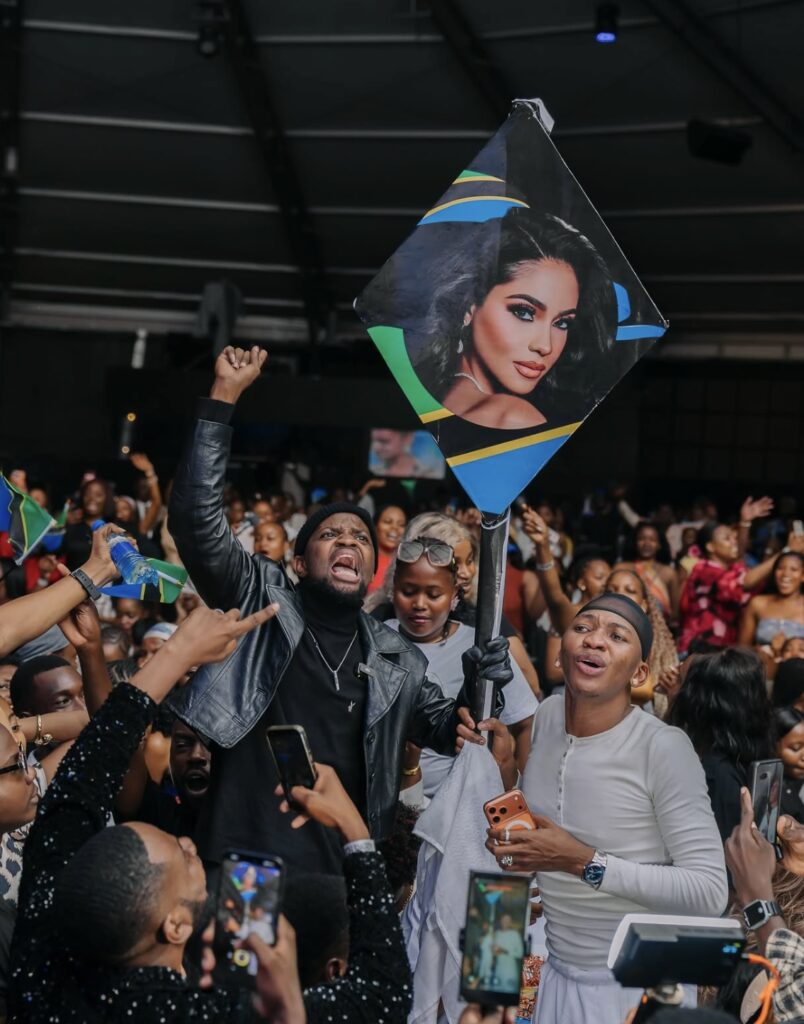
Across Tanzania, celebrations and congratulatory messages reflected the pride many people felt in seeing one of their own make history. The excitement extended beyond national borders, with supporters from other African countries joining the conversation and expressing solidarity with the Tanzanian queen.
The response offered a glimpse of something powerful: the emotional connection that can emerge when an African achievement becomes a shared continental moment.
For many supporters, this was no longer simply about one contestant competing for one title. It was about an African woman reaching a milestone that had eluded the continent throughout the competition’s history.
The rallying cry was unmistakable.
Put the crown on our East African queen.
The sentiment captured a spirit of regional solidarity. Tanzanians rallied behind their representative, while supporters elsewhere in Africa added their voices to the moment.
In a world where African countries are often discussed separately, Jihan’s journey created an opportunity for a different conversation, one centred on shared pride, encouragement and the willingness to celebrate success beyond national boundaries.
That support deserves attention because achievement rarely exists in isolation.
Jihan’s victory demonstrated how one woman’s moment can create a shared sense of belonging among people who may speak different languages, live in different countries and follow different traditions.
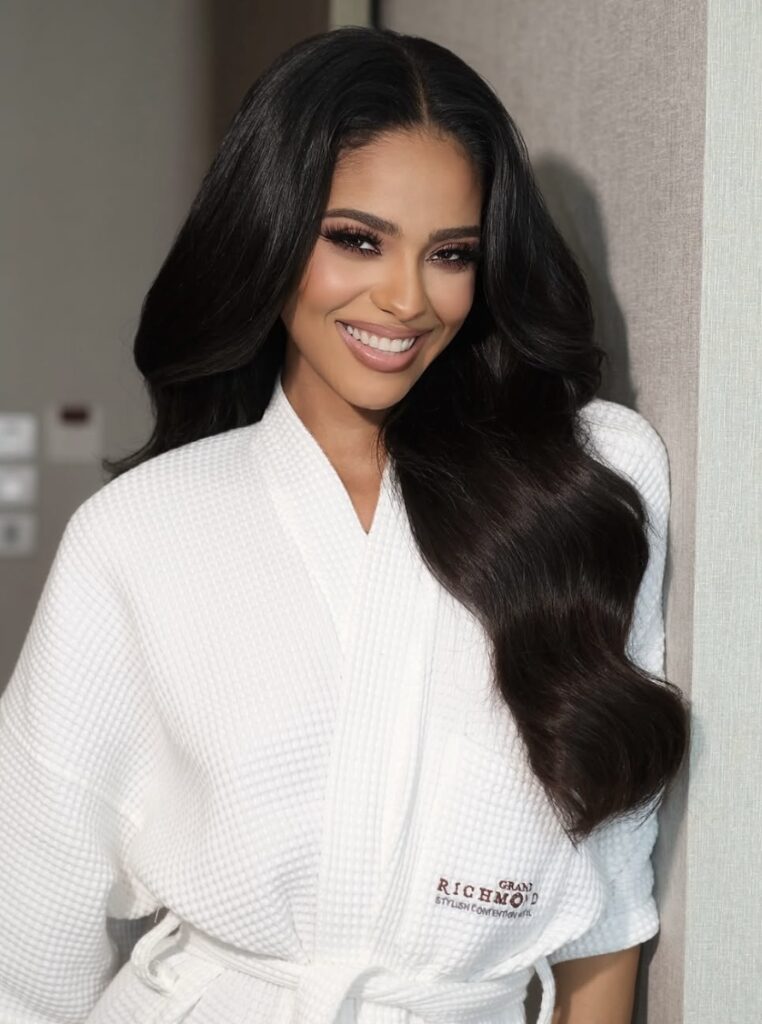
THE ANSWER THAT REVEALED HER MESSAGE
The crown established Jihan’s place in pageant history. Her words offered a glimpse into the values she wanted the world to hear.
During the question-and-answer segment, she was asked how she would address inequality in society.
Her response did not begin with a policy proposal, an institutional framework or a complicated theory of social change.
It began with love.
“I believe love is the strongest weapon that we have,” she said, explaining that a society built on love could move closer to equality regardless of people’s religious beliefs or where they came from.
Her answer was direct, but its implications were expansive.
Inequality is one of the world’s enduring challenges, shaped by economic disparities, discrimination, unequal access to opportunity and divisions that separate communities. Love alone cannot replace the policies, institutions and practical interventions needed to address those problems.
But the values underlying Jihan’s response speak to an important part of the solution: the recognition of another person’s humanity.
Her message challenged the idea that difference must lead to division. It called for a society in which people’s backgrounds, beliefs and origins do not determine the dignity or rights they are afforded.
In a world frequently defined by disagreement, that is a message with broad relevance.
She offered an idea simple enough to understand and important enough to carry beyond the competition.
The world does not become more equal by insisting that everyone is the same. It moves forward when people recognise that their differences do not diminish their equal worth.
That was the deeper meaning behind her answer, and it gave her moment on stage a significance that extended beyond the result.
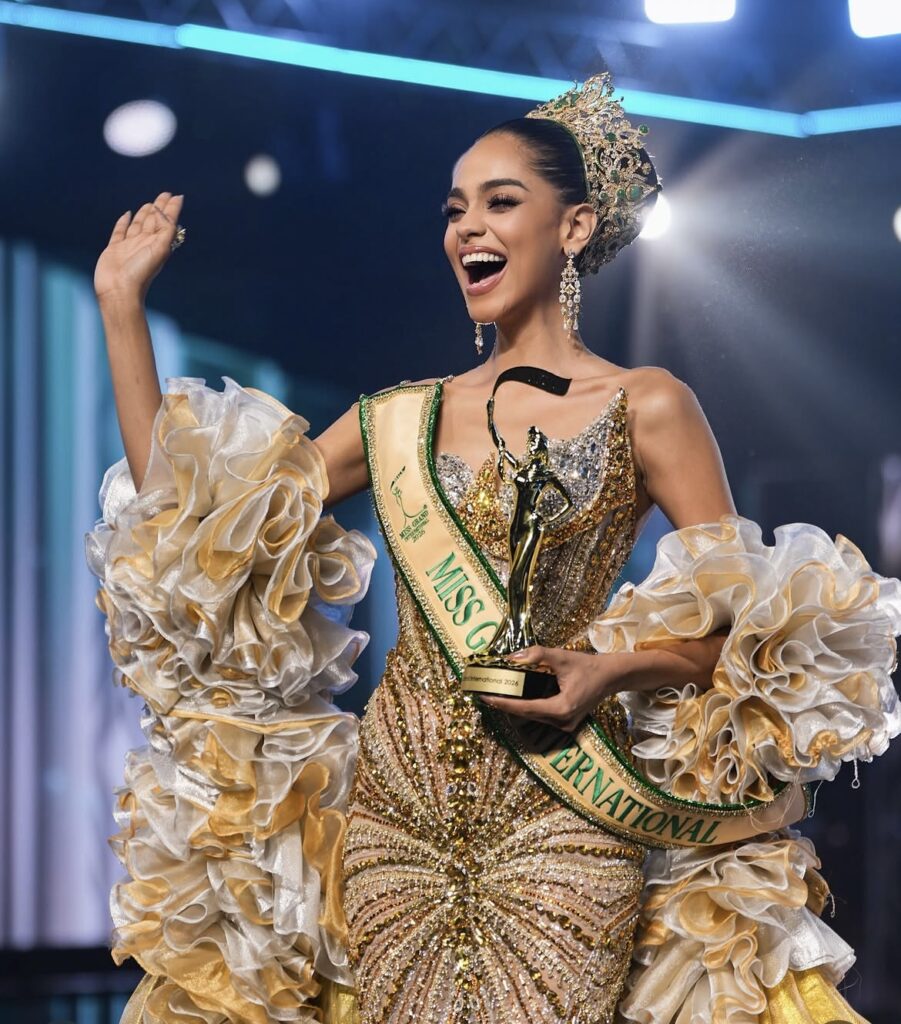
THE WOMAN SHE HOPES TO BECOME
Another question invited Jihan to explain the qualities an empowered woman should possess.
Her answer took the audience away from the pageant stage and into a more personal space: her relationship with her mother.
For Jihan, the example of an empowered woman was not defined primarily by status, public recognition or professional accomplishment. It was embodied by a woman she knew intimately.
“My mother,” she explained, describing her as kind to others, willing to put people before herself and always ready to serve.
Jihan spoke about kindness as a quality that allows a person to lead, change the world and reach others beyond the physical level, through the heart.
Then she offered a moment of gratitude to the woman who had inspired her.
“Thank you, Mom, for inspiring me to be that woman.”
It was one of the most human dimensions of her appearance.
At a time when conversations about women’s empowerment frequently centre on access, representation, leadership positions and economic independence, Jihan’s answer introduced another dimension: the character that accompanies achievement.
Her response did not diminish ambition or the importance of women occupying positions of influence. Instead, it suggested that the meaning of empowerment is also found in how a woman treats others, how she uses her influence and what values guide her decisions.
There is a distinction between being visible and being impactful.
Visibility allows people to see you. Impact gives them a reason to remember what you stood for.
Jihan’s tribute to her mother suggested that, for her, leadership begins with an example set long before the cameras arrive. It is learned through everyday acts of kindness, service and consideration for others.
The exchange also offered a reminder that behind many public achievements are private relationships that shape a person’s values.
And in recognising her mother, Jihan gave her answer a quality that extended beyond pageantry: gratitude for the people who help shape who we become.
A MESSAGE FROM TANZANIA TO THE WORLD: PEACE IS COURAGE
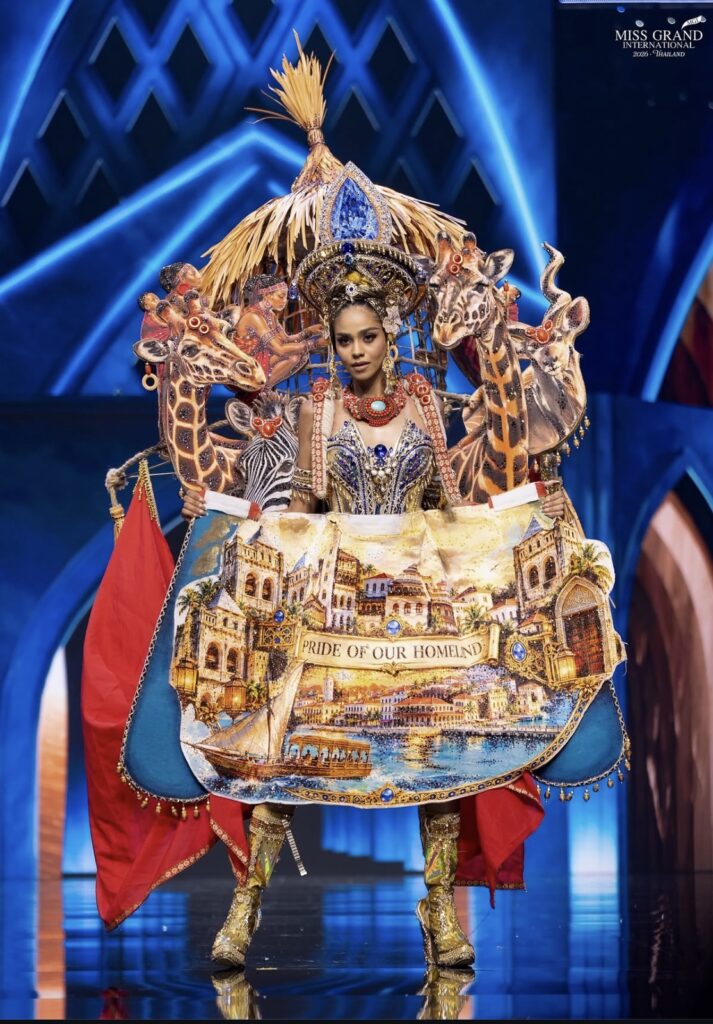
Perhaps the most expansive expression of Jihan’s message came when she spoke about peace.
Her words began with the suffering experienced by innocent people across the world: lives lost, families separated, homes destroyed and dreams interrupted by conflict.
“Across the world, many innocent people are losing their lives, their families, their homes, and even their dreams. But I believe every child deserves to live in peace and not fear. I’m genuinely grateful to be born in a country that’s known for its peace, love, and unity. In Tanzania, we believe regardless of your background or religion and even tradition, were able to live and work together in harmony. This is because we believe that peace is courage and not weakness. We believe that regardless of our differences, we’re not enemies, but we are one. And that is the message that I want to share with the world tonight. It doesn’t matter where you come from, let humanity take its place and not our hearts let us spread peace love and let us live in harmony”
Jihan’s message was not that differences disappear when people live together. It was that differences do not have to make people enemies.
“Regardless of our differences, we’re not enemies, but we are one,” she said.
Her message was clear: peace should never be mistaken for weakness, and our differences should never become an excuse to deny one another our humanity.
She concluded by calling for humanity to take precedence over division, urging people to spread peace and love and live in harmony.
The significance of the moment was not that one speech could resolve global conflict. It was that a young African woman used a highly visible platform to draw attention to the human cost of division and the importance of shared humanity.
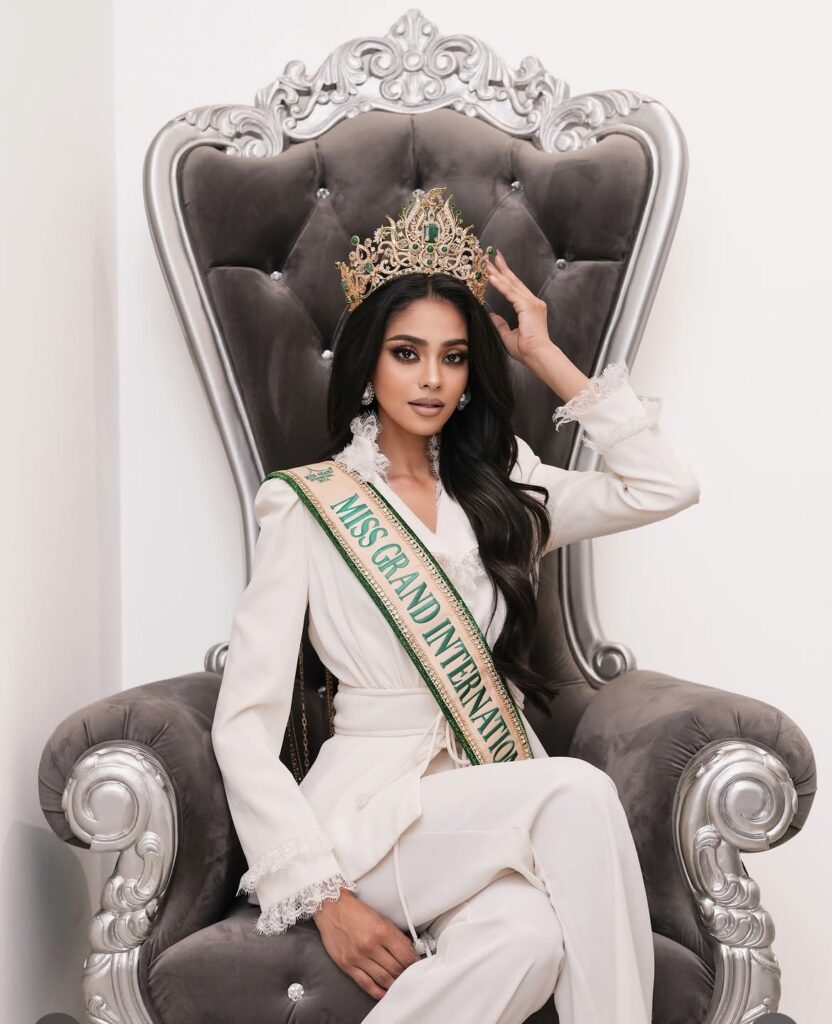
BEYOND THE CROWN: THE RESPONSIBILITY OF REPRESENTATION
Winning an international title opens doors, but it also introduces a new set of expectations.
As Miss Grand International 2026, Jihan enters a period in which her public voice and international visibility may carry opportunities to engage audiences, support causes and represent Tanzania in new settings.
The title creates a platform. What she builds with it will shape the legacy.
Her statements on inequality, women’s empowerment and peace provide a starting point for understanding the values she chose to communicate during the competition.
Love, in her answer, was a foundation for a more equal society.
Kindness, in her tribute to her mother, was a quality of empowered leadership.
Peace, in her message to the world, was an expression of courage and shared humanity.
Together, these ideas offer a picture of the public role she appears interested in embracing: one that places human dignity alongside achievement.
The next chapter will be about translating those messages into meaningful action.
That could mean using her visibility to draw attention to issues affecting women and children, encouraging young people to pursue their ambitions or participating in initiatives consistent with the values she expressed on stage.
The precise direction of her work will be hers to determine. What matters is the opportunity before her.
The crown has established the milestone. Her work in the months and years ahead will help determine its enduring significance.
For a young woman whose historic victory has already inspired a wave of celebration, the possibilities are considerable.
A PRESIDENTIAL CONGRATULATION, A NATIONAL MOMENT
The significance of Jihan’s achievement was also reflected in the response from Tanzania’s president, Samia Suluhu Hassan.
In a congratulatory message addressed to Jihan, the president praised her for representing Tanzania and being crowned Miss Grand International 2026.
She described the victory as a source of national pride and connected it to what Tanzanians can achieve through unity and cooperation.
The president also highlighted the achievement’s potential to inspire young people, particularly girls, to believe in themselves, pursue their dreams and develop their talents.