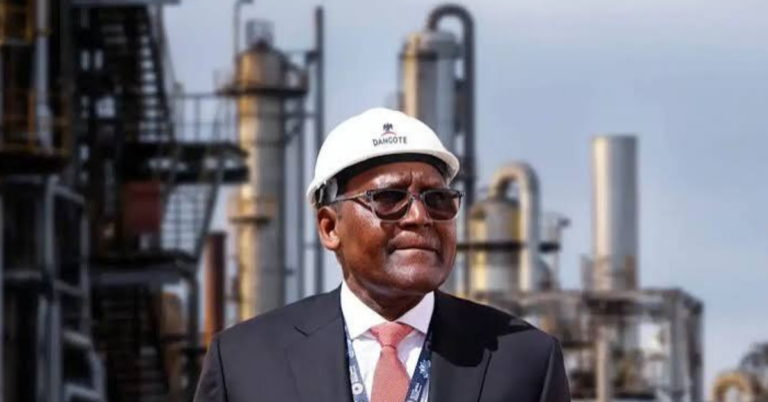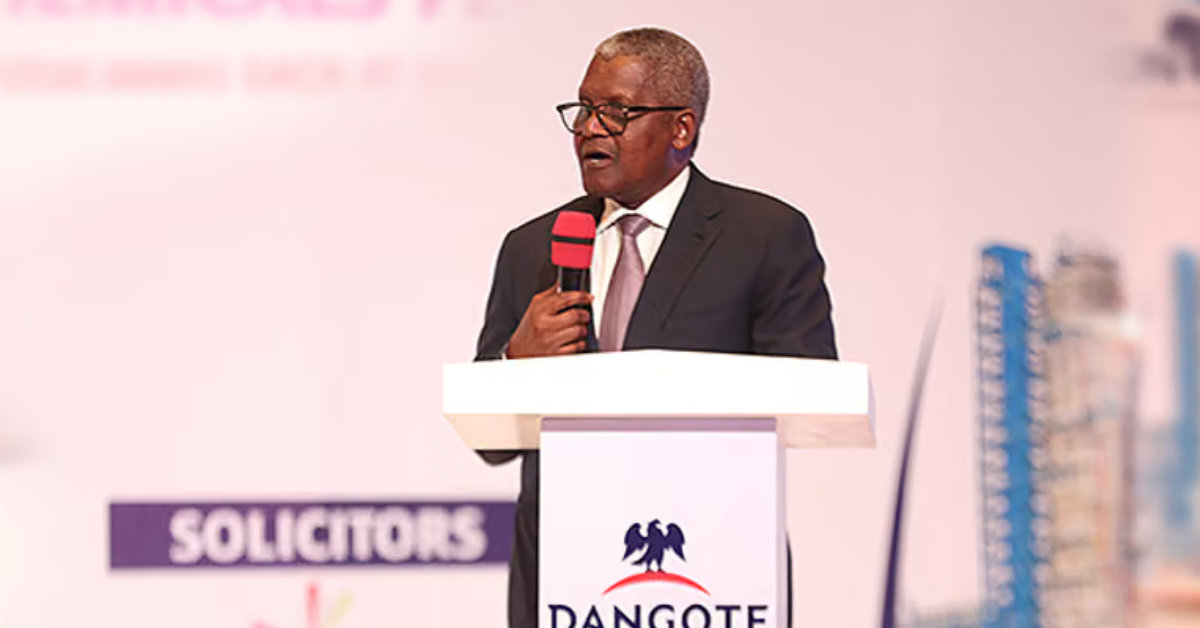
Nigerian billionaire Aliko Dangote reportedly threatened to abandon his acquisition of a 24.76% stake in Kenya Pipeline Company after state backed pension funds demanded a higher share price.
Nigerian billionaire Aliko Dangote came close to abandoning a $327 million investment in Kenya Pipeline Company after a dispute over the price of shares held by eight state backed pension schemes, according to reports.
The disagreement centred on the price of a 24.76% stake in the Kenyan petroleum infrastructure operator. The pension funds initially demanded KSh9.50 per share, approximately 5.3% above the prevailing market price, while Dangote pushed back against the proposed valuation.
The difference appeared small on a per share basis but carried significant financial implications for the transaction. At the proposed price, the additional cost would have exceeded KSh2 billion.
Dangote reportedly indicated that he was prepared to withdraw from the negotiations rather than accept the higher price. The pension funds eventually agreed to approximately KSh9.04 per share, allowing the transaction to proceed.The acquisition involved approximately 4.5 billion shares and cost KSh42.5 billion, equivalent to about $327 million.
Dangote Secures Major Stake in Kenya Pipeline Company
The purchase makes Dangote the second largest shareholder in Kenya Pipeline Company, behind the Kenyan government, which retained a 35% stake following the company’s partial privatisation.
The transaction represents a significant investment by an African billionaire in a publicly traded company outside his home market. It also strengthens Dangote’s position in East Africa’s petroleum distribution infrastructure.
Kenya Pipeline Company operates approximately 1,300 kilometres of pipelines that transport petroleum products from the port of Mombasa to Nairobi and other parts of the country.Its infrastructure also supports fuel distribution to neighbouring markets, including Uganda, Rwanda, South Sudan and the Democratic Republic of Congo.
For Dangote, the investment offers more than a financial stake in a listed company. It provides a strategic position within an established distribution network serving several East and Central African markets.$10.8 Million Dividend Concession Helped Close the Deal
Although the pension funds eventually accepted Dangote’s preferred share price, the negotiations reportedly included another financial concession.According to Business Daily, Dangote agreed to forgo dividends he would otherwise have received before Kenya Pipeline Company closed its books for the relevant period.
The arrangement allowed the eight pension schemes to retain approximately KSh1.4 billion, equivalent to $10.8 million, in dividend payments.The concession formed part of the final agreement, helping resolve the dispute between the buyer and the sellers.
The negotiations highlight how large acquisitions can depend on more than headline valuations. Dividend entitlements, timing and other contractual terms can influence the final economics of a transaction, particularly when institutional investors sell substantial shareholdings.
For Dangote, securing the stake at the agreed price also provided an entry point into a strategically important petroleum network without accepting the pension funds’ initial demand.Dangote Targets Africa’s Petroleum Distribution Market
Dangote confirmed the acquisition at the Financial Times Africa Summit in London on 21 October, outlining how the investment fits into his broader ambitions for petroleum distribution across Africa.
The billionaire plans to expand the distribution of refined petroleum products across the continent, supported by investments in refining, storage and transportation infrastructure.He has also outlined plans to invest approximately $1.5 billion in expanding the pipeline network, according to the information reported about the transaction.
The proposed investment could strengthen Kenya Pipeline Company’s capacity to support growing regional fuel demand while improving connections between supply points and consumer markets.The strategy reflects a wider commercial opportunity for African businesses seeking to develop infrastructure that connects domestic production with regional distribution networks.
Rather than relying exclusively on the sale of refined products, an integrated operation can combine production, storage, transportation and distribution. Such a model can create additional opportunities to capture value across the petroleum supply chain.
How Kenya Fits Into Dangote’s Refining Strategy
Dangote’s investment in Kenya Pipeline Company comes as his group builds its wider petroleum business around large scale refining and distribution.
His refinery near Lagos has become an important source of refined petroleum products for domestic and international markets. The group is also pursuing plans for a proposed 700,000 barrel per day refinery in Lamu, Kenya.If developed, the proposed Kenyan refinery could complement the group’s existing refining operations and create additional demand for transportation and storage infrastructure.
Kenya Pipeline Company’s network could play a role in this wider strategy, although the extent of any future connection between the pipeline system and the proposed Lamu refinery will depend on project development and infrastructure plans.The potential combination of refining capacity and regional distribution infrastructure could give Dangote greater reach across African petroleum markets.
It could also position the group to benefit from increased regional trade as countries seek more reliable supplies of fuel and improved transportation links.A Strategic Investment Beyond Share Price Gains
Dangote’s acquisition also benefited from an immediate increase in the market value of Kenya Pipeline Company shares after demand pushed the stock above the price he paid.
That movement created a paper gain on the investment. However, a higher market price does not represent a realised profit unless the shares are sold, and the group has not indicated that it intends to dispose of any part of its holding.
The longer term significance of the deal lies in the infrastructure and distribution opportunities associated with the investment.For African investors, the transaction illustrates how strategic acquisitions can provide access to established assets, regional markets and essential infrastructure.
It also demonstrates the importance of price discipline in large transactions. Dangote’s reported willingness to abandon negotiations suggests that access to a strategic asset does not necessarily justify accepting every valuation proposed by a seller.
The eventual agreement brought together institutional investors seeking value for their holdings and a buyer pursuing a broader regional business strategy.
As Dangote expands his presence beyond Nigeria, Kenya Pipeline Company could become an important part of his ambitions to connect refining capacity with petroleum distribution across Africa.
For the continent’s business community, the deal highlights a broader investment opportunity: the development of integrated African businesses capable of producing, transporting and distributing essential products across national borders.