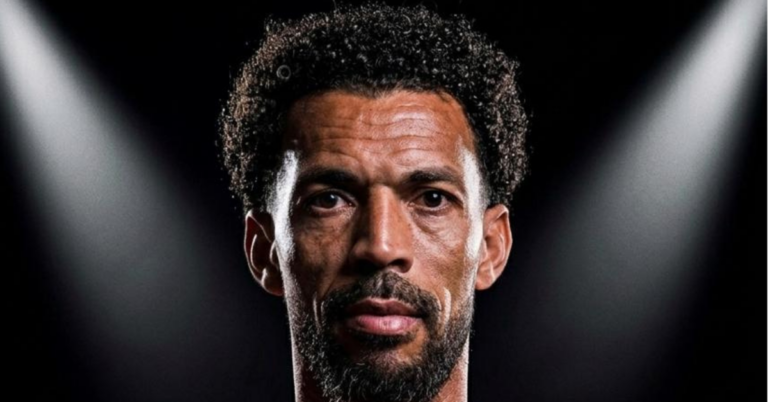
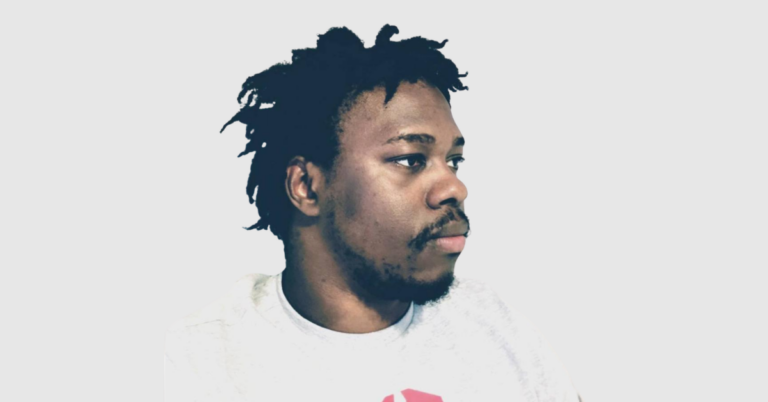
There is a quiet moment every builder faces a pause between what already works and what could exist if courage leads the way. It is in this moment that the line between a businessman and an entrepreneur becomes clear, not as a rivalry, but as two distinct paths walking toward the same horizon.
The businessman steps into systems already in motion. He studies the rules, masters them, and then improves what exists. His strength lies in refinement tightening processes, increasing efficiency, expanding markets, and delivering predictable results. He believes in structure, in measured growth, and in the confidence that comes from certainty. His success is built on stability, on ensuring that businesses endure, scale, and remain profitable in a changing world.
The entrepreneur, however, begins where certainty ends. He sees gaps where others see risk, and possibility where others see limits. He is driven by ideas before income, by vision before validation. He creates rules because the old ones cannot contain his imagination. While the businessman sharpens what exists, the entrepreneur disrupts it, building from nothing but belief, resilience, and a refusal to accept the status quo.
One moves the engine smoothly. The other builds the engine from scratch.
Where the businessman focuses on execution, the entrepreneur is consumed by creation. Where one seeks assurance, the other leans into uncertainty. Profit fuels the businessman’s momentum, but purpose ignites the entrepreneur’s fire. One measures progress in growth charts and margins; the other measures success in impact, relevance, and transformation.

Yet, this is not a story of opposition. It is a story of balance.
The world we live in survives because businessmen sustain it. The world we are moving toward exists because entrepreneurs imagine it first. Africa’s most transformative leaders rarely choose just one identity. They begin as entrepreneurs, dreaming boldly in uncertain environments, then evolve into businessmen who build systems strong enough to sustain those dreams. They understand that innovation without structure collapses, and structure without innovation stagnates.
If you are reading this, perhaps you recognize yourself in both stories. Maybe you value stability, but feel the pull of something more. Maybe you have mastered execution, yet sense a deeper calling to create. That crossroads is not a weakness, it is an invitation.
You do not have to choose between being safe and being significant. You can be disciplined enough to scale and brave enough to start. You can refine what works while daring to challenge what no longer serves the future.
In today’s Africa, leadership belongs to those who can balance vision with execution, courage with strategy, and ambition with purpose. Because the future will not be built by dreamers alone, nor sustained by managers only, it will be shaped by leaders who know when to protect what exists and when to imagine what comes next.
Feature story: Written by Jean Claude NIYOMUGABO