South Africa is moving closer to a major overhaul of how municipal boundaries and ward structures are determined after the National Assembly passed the Independent Municipal Demarcation Authority Bill.
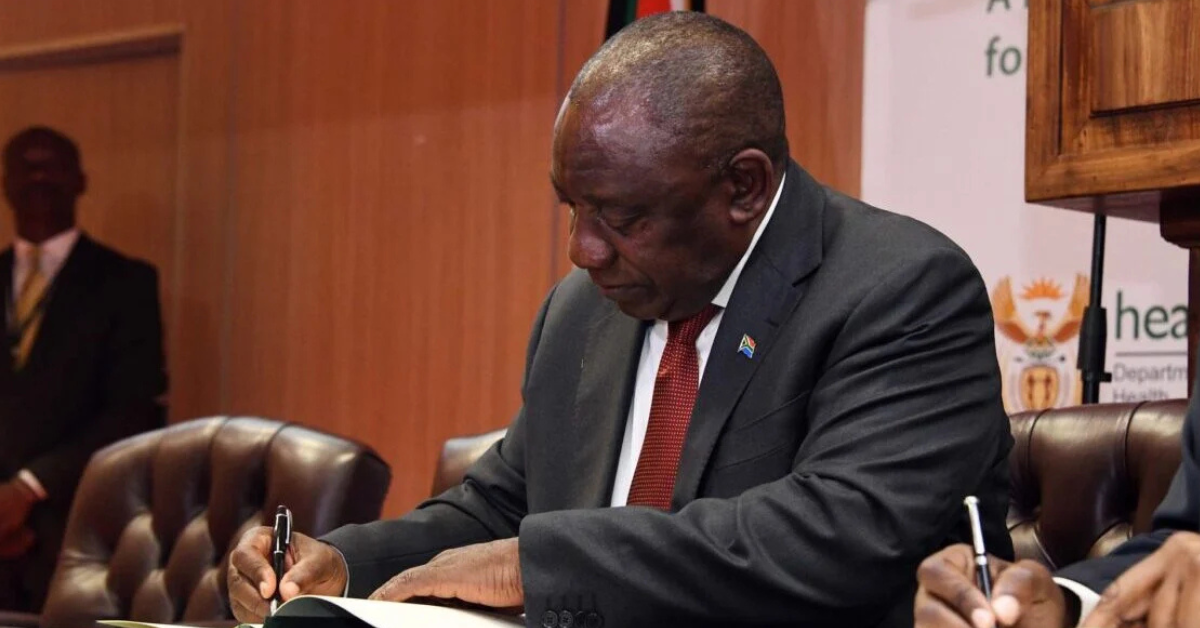
The legislation will now be sent to President Cyril Ramaphosa for assent. If signed into law, it will replace the existing legislative framework governing municipal demarcation and establish a new Independent Municipal Demarcation Authority.
The proposed framework could have significant implications for local governance, community participation and the way municipalities plan and deliver services across the country.
Parliament said the Bill establishes criteria and procedures for determining or redetermining municipal boundaries and dividing municipalities into wards.
The legislation is designed to ensure that municipal boundaries support effective local governance, equitable and sustainable service delivery, integrated development and economic development.
A central feature of the proposed law is greater public participation.
Communities would have an opportunity to comment on proposed boundary determinations and ward delimitations. They would also be able to raise objections during the process.
The Bill further provides for the creation of a Demarcation Appeals Authority. The body would offer a mechanism for challenging certain decisions made during the demarcation process.
For businesses, investors and development organisations, changes to municipal boundaries can have practical consequences. Municipal structures influence local planning, infrastructure delivery, service provision and the administrative environment in which economic activity takes place.
The legislation also introduces changes to the way members of the future authority are selected.
Information technology is specifically recognised as an area of knowledge and expertise that may be considered when appointing members of the authority. The selection panel recommending Board members would also include representatives from the National Assembly committee responsible for local government oversight and the National House of Traditional and Khoisan Leaders, alongside other representatives specified by the legislation.
The Bill has taken several years to move through Parliament.
The National Assembly initially passed the legislation on 30 November 2023 before it was sent to the National Council of Provinces for concurrence.
The Bill subsequently lapsed when the Sixth Parliament ended in May 2024. The NCOP revived the legislation on 29 July 2024.
The NCOP later passed the Bill with amendments on 27 November 2025. The Portfolio Committee on Cooperative Governance and Traditional Affairs subsequently considered the amendments and recommended that the National Assembly accept them.
The National Assembly has now adopted the committee’s report, agreed to the NCOP amendments and passed the legislation.
The next major step rests with President Ramaphosa.
If the President assents to the Bill, South Africa will have a new framework for future decisions involving municipal boundaries and ward structures.
The change could also reshape how communities engage with demarcation decisions by giving residents clearer opportunities to participate, comment and challenge certain outcomes.
For African business leaders and investors, the development highlights the importance of understanding changes in local government structures. Municipal boundaries can influence where businesses operate, how infrastructure is planned and how communities access public services.
The proposed Independent Municipal Demarcation Authority therefore represents more than an administrative change. It could become an important part of South Africa’s broader effort to strengthen local governance and align municipal structures with economic and development priorities.



- Beyoncé, Tina Knowles and Kelly Rowland Open Houston Housing Project

- Taylor Swift Set to Perform at Star Studded Academy Museum Gala

- Michael Jackson’s Iconic Thriller Jacket and Moonwalk Glove Head to Auction

- Burna Boy Becomes First Nigerian Artiste to Hit 4 Billion YouTube Views

- Serena Williams’ Nike Jacket Celebrates a Legacy of US Open Dominance