Gold did more than glitter on Monday morning. It pulled the South African rand to its strongest posture in more than three years and rewrote the mood across markets, courtrooms, classrooms, and online shopping carts.
As traders opened the week, the rand strengthened to R16.42 against the dollar, gaining about 0.4% in early trade. The movement followed gold’s historic surge past $4,600 per ounce, a level no market had seen before. Silver joined the rally. Together, they reminded investors that in uneasy times, value often returns to what feels solid.
South Africa, one of the world’s major precious-metal exporters, felt the impact immediately. Strong commodity prices lifted confidence. In turn, they gave the currency fresh momentum after a strong 2025, when the rand closed nearly 13% firmer against the dollar.
By Tuesday morning, trading reflected cautious optimism. The rand hovered around R16.41 to the dollar, R22.12 to the pound, and R19.14 to the euro. Gold eased slightly to $4,596.48, while oil climbed to $64.09 a barrel.
Behind the numbers, however, global anxiety shaped the rally. Investors moved toward safe-haven assets as geopolitical tensions deepened in the Middle East. At the same time, weak US labour data unsettled markets. Reports of a criminal investigation involving US Federal Reserve Chair Jerome Powell added another layer of uncertainty.
Meanwhile, in Johannesburg, optimism reached the stock exchange floor. The JSE Top 40 index rose 1.2% in early trade. Government bonds followed the same direction. The benchmark 2035 bond gained ground as yields fell to 8.29%.
Yet beyond trading screens, other stories unfolded.
One of Africa’s most powerful business figures stepped into legal turbulence.
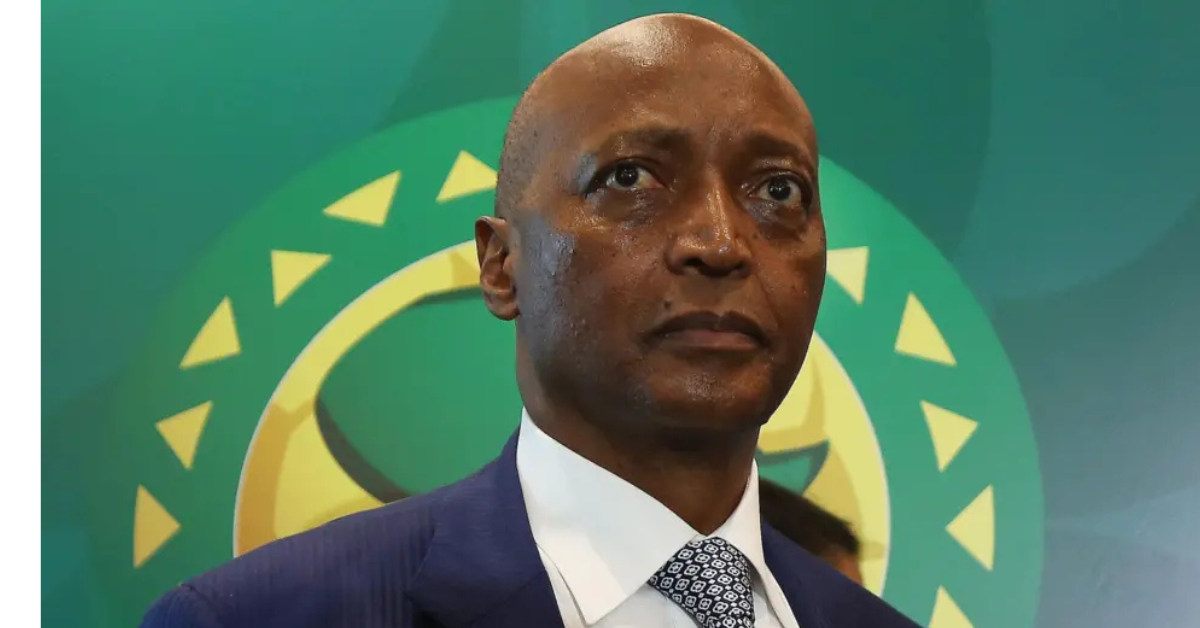
Billionaire businessman Patrice Motsepe and several of his companies now face a major legal challenge tied to a mining dispute in Tanzania. A US-based firm, Pula Graphite, accuses Motsepe’s entities of breaching a 2019 confidentiality agreement. The company seeks $195 million, roughly R3.2 billion, in damages.
Court filings suggest Patrice Motsepe companies have approached South African courts for protection as the dispute intensifies. For a man long celebrated as a symbol of African enterprise and industrial ambition, the case introduces an uncomfortable spotlight. It also signals how fragile cross-border mining partnerships can become when trust fractures.
Elsewhere, frustration brews on a different front.
Across South Africa, dozens of shoppers say their Temu orders never arrived. Others report weeks of delay. Most complaints point toward a single local courier firm that appears overwhelmed or mismanaged.
For many customers, the promise of cheap global e-commerce collided with the reality of fragile logistics. Social media filled with screenshots, tracking numbers, and unanswered emails. What started as excitement over affordable shopping quickly shifted into distrust.
At the same time, a brighter story emerged from classrooms.
Education Minister Siviwe Gwarube confirmed that the Class of 2025 achieved an 88% matric pass rate, the highest in the country’s history. The result edged past 2024’s 87.3% and offered rare good news in a system often defined by shortages and strikes.
The Independent Examination Board recorded a pass rate of 98.31%, slightly lower than last year but still among the strongest globally.
Still, not all public sector news inspired celebration.
In the first 18 months of South Africa’s Government of National Unity, ministers spent over R450 million on travel and accommodation. The Department of Human Settlements topped the list with R32.98 million, followed closely by Water and Sanitation at R29.57 million.
For a nation balancing debt, unemployment, and service delivery gaps, the figures reopened a familiar debate: leadership comfort versus public sacrifice.
On the international stage, Washington delivered another headline.
The US House of Representatives passed a bill to renew the African Growth and Opportunity Act (AGOA) for three years, with overwhelming bipartisan support. However, South Africa’s eligibility now faces scrutiny as the Senate prepares to debate the extension.
For exporters, AGOA remains more than a trade agreement. It represents access, jobs, and the fragile bridge between African manufacturing dreams and American markets.
Taken together, the stories form a portrait of a country in motion.
The rand rises with gold. Courtrooms test reputations. Online shoppers lose patience. Students break records. Ministers defend expenses. Lawmakers debate Africa’s place in global trade.
South Africa moves forward, not in a straight line, but in sharp contrasts. Wealth and worry. Growth and grievance. Hope and hesitation.
And in between them all, a currency finds strength in uncertainty.