There are moments in football when praise carries more weight than trophies. One of those moments arrived quietly in a post-match press conference in Morocco, spoken by a man whose voice commands respect far beyond the pitch.
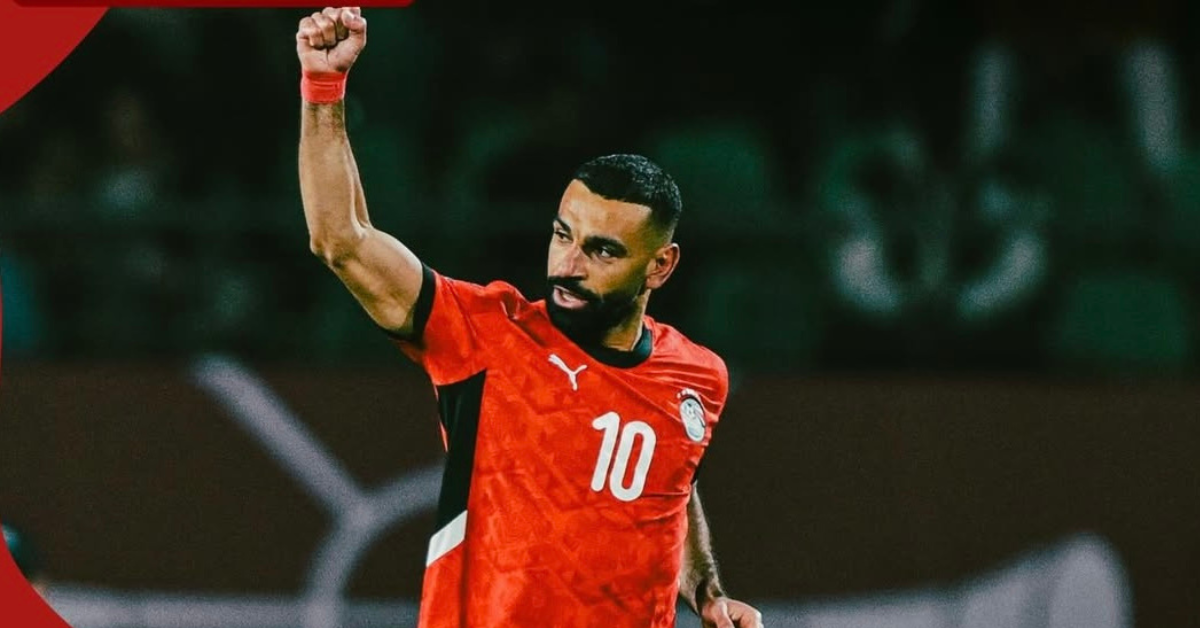
Mohamed Salah did not hesitate.
“There has never been an African tournament better than this,” he said.
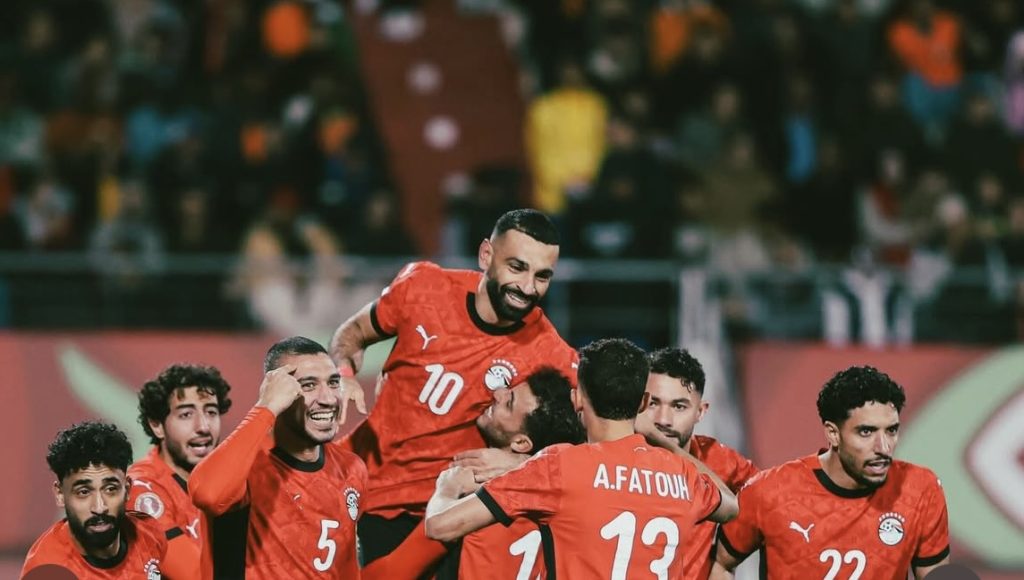
The Egyptian captain had just led his team into the AFCON 2026 semi-finals after a tense 3–2 victory over Côte d’Ivoire. Yet, beyond the goals and celebrations, his attention turned to something bigger than football itself. He turned to Morocco.
For Salah, this tournament feels different. It feels elevated.
He described Egypt’s training camp as the best he has experienced in his entire career. Coming from a player who has trained in Europe’s finest facilities, the statement landed with quiet power.
“I sincerely thank Morocco for their world-class hosting and security,” he added. “I wish them continued success.”
Those words echoed across the continent.
Morocco has not simply hosted AFCON 2026. It has curated it. From stadium design to logistics, from security planning to fan experience, the country has treated the tournament like a continental statement of intent.
Egypt’s head coach, Hosam Hassan, reinforced that message.
“The infrastructure and conditions here are ideal,” he said. “This makes every match more exciting.”
Indeed, players arrive early. They recover better. They move freely. The pitches hold firm. The stadium lights glow brighter. Even training sessions feel organized, calm, and focused.
As a result, football breathes easier.
Egypt, Africa’s most decorated national team, knows tournaments. The Pharaohs have lifted the AFCON trophy seven times. They dominated between 2006 and 2010 with three consecutive titles. They have played ten finals across generations.
Yet even with that history, Morocco still stands out.
Meanwhile, respect continues to pour in from across the continent. Cameroon joined the chorus of appreciation after their fixtures.
“The hospitality shown in all the places we visited reflects the remarkable preparatory work carried out by the Royal Moroccan Football Federation,” the federation said in an official statement.
Such praise reveals more than good planning. It shows a country stepping confidently into a new role.
Morocco now hosts like a global sporting capital. It organizes like Europe. It welcomes like Africa.
More importantly, it challenges old narratives.
For decades, African tournaments battled unfair stereotypes about chaos, poor facilities, and weak organization. AFCON 2026 has rewritten that story in real time. Every smooth kickoff, every secure stadium entrance, and every satisfied team chips away at outdated assumptions.
Through football, Morocco speaks to the world.
It says Africa is ready.
It says Africa is capable.
It says Africa can host excellence without apology.
As the tournament pushes toward its final chapters, the goals will fade into memory. The champions will lift their medals. The confetti will settle.
But what Morocco is building will last longer.
It is shaping how the continent sees itself, and how the world finally learns to see Africa.