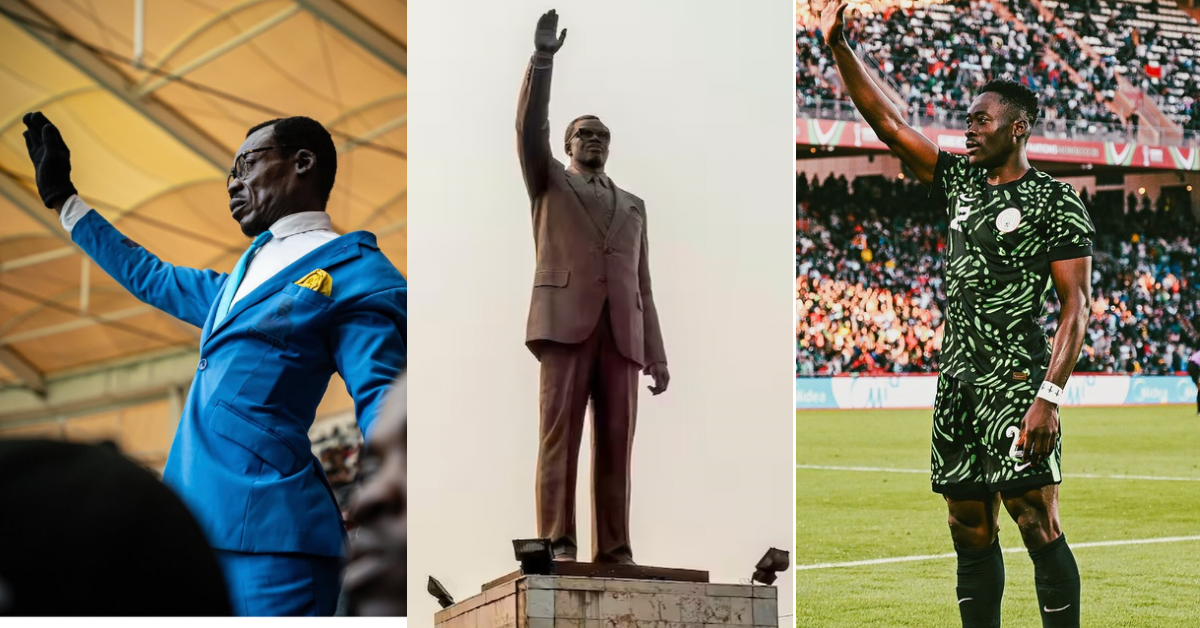
In the roar of AFCON 2025, amidst the chants, drums, and electric tension that only African football can deliver, one moment cut through the noise. Nigerian striker Akor Adams had just scored against Algeria. But instead of running wildly in celebration, he lifted his hands in quiet reverence, paying tribute to Patrice Lumumba, the Congolese leader whose name has become a symbol of resistance, courage, and African unity.
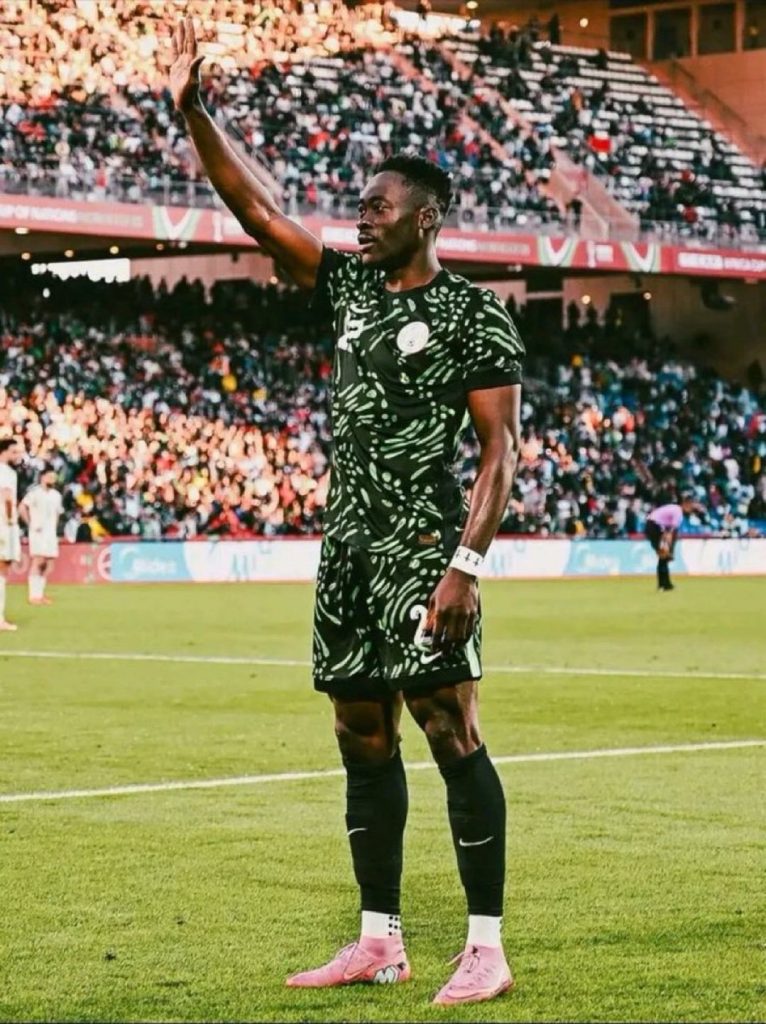
It wasn’t just a goal celebration, it was history and culture colliding on a football pitch. In the stands, fans like Michel Nkuka Mboladinga, affectionately known as Lumumba Vea, had been watching. His gestures honor Lumumba’s enduring legacy. Recently, Mboladinga was mocked by Algerian player Mohamed Amoura, a moment that sparked controversy and online debate. Yet Amoura’s heartfelt apology, reminded everyone that football can heal, reconcile, and inspire.
“The match was intense, full of tension and emotion,” Amoura said. “I didn’t realize what the fan or symbol represented. I simply wanted to banter. I regret any misunderstanding and remain focused on representing my country with pride.”
CAF President Dr. Patrice Motsepe was also there, standing beside Lumumba Vea. The image became a testament to football’s power beyond goals, as a stage for identity, memory, and African pride. Across the continent, stadiums are more than sports arenas. They are spaces where history, politics, and culture meet, and where moments like this remind us that African football is inseparable from the stories of its people.
Nigeria’s win over Algeria will be remembered not just for the scoreline, but for the message it carried: Africa is love, respect, dignity, and unity. Akor Adams’ tribute shows how sport can honor history, celebrate identity, and foster solidarity. In a continent too often fractured, AFCON remains a platform for togetherness, where lessons from history guide the present, and hope shapes the future.
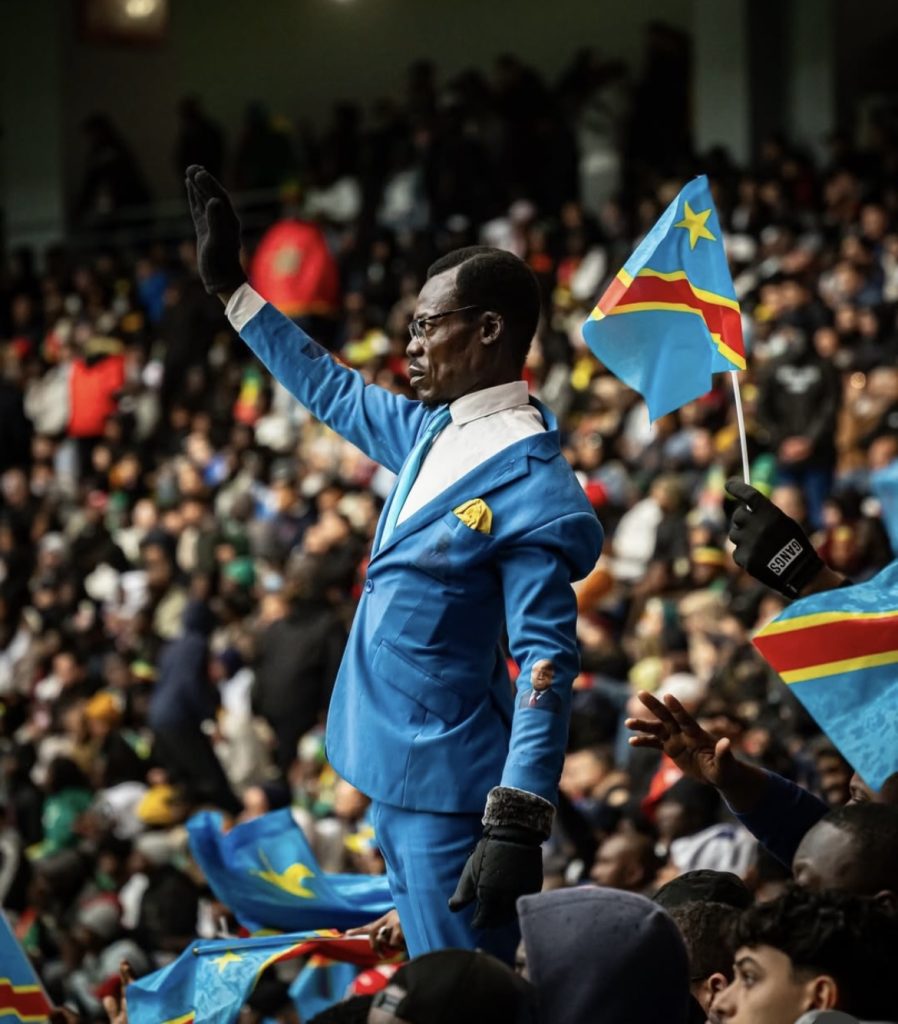
Beyond the stadium, this moment sparks reflection: African heroes whether political, cultural, or symbolic continue to inspire generations. Patrice Lumumba’s legacy freedom, courage, and unity resonates far beyond Congo. When fans and players pay homage, they remind the world that Africa’s strength lies in shared history, resilience, and unwavering solidarity.
Akor Adams’ goal was more than a win, it was a celebration of Africa itself, a moment that turned a football match into a lesson in respect, pride, and cultural heritage. It proved that football is not just a game, but a storybook of African identity, connecting the past, present, and future.