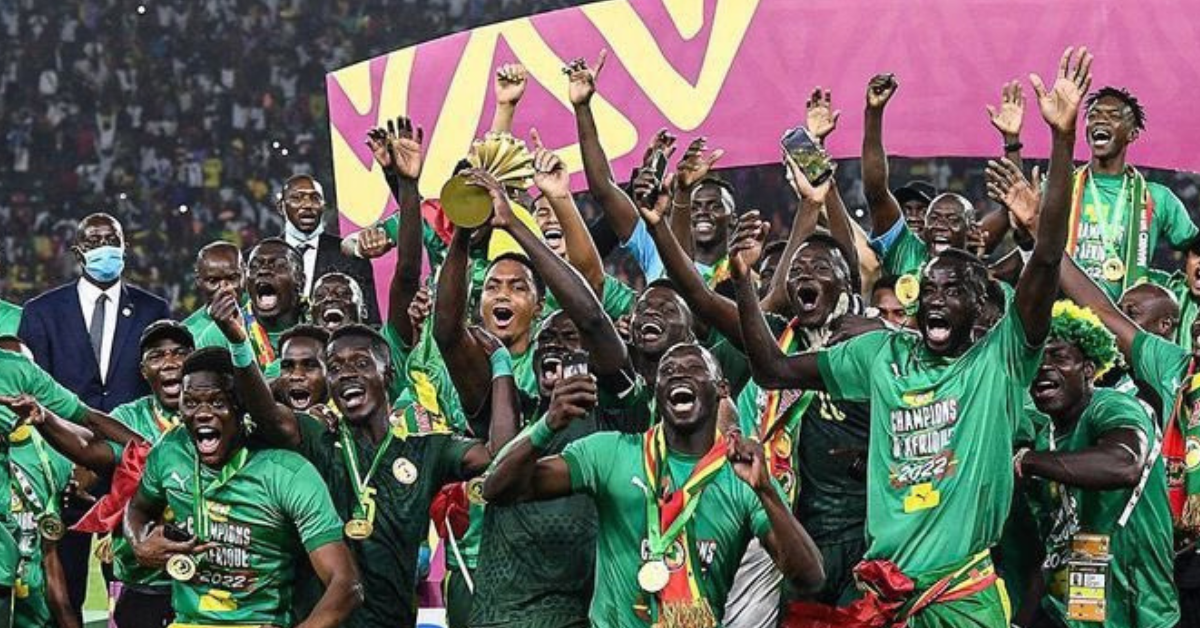
The Africa Cup of Nations has always been more than a tournament. It is a stage where the continent’s values, unity, sportsmanship, leadership are meant to shine. The AFCON 2025 final between Senegal and Morocco, however, challenged those ideals.

Senegal emerged as champions after a dramatic match, yet the story of the final was not just about the trophy. It was about chaos, conflict, and the critical role of leadership in preserving dignity and respect on a continental stage.
The match teetered on the edge of disaster. In the 92nd minute, Senegal thought they had scored, only for the referee to disallow the goal for a soft foul. VAR did not intervene. Moments later, Morocco were awarded a penalty after video review. Senegal’s players walked toward the tunnel in protest, leaving the stadium and the tournament’s integrity in jeopardy.
At that moment, Sadio Mané reminded everyone what leadership looks like. He approached his teammates, urging them to return to the pitch. He called them by name, tapped the Senegal badge, and reminded them that the game was bigger than their anger or frustration. One by one, the players came back. The final could continue.
Morocco’s Brahim Díaz then faced a penalty but missed, a moment that defused some of the tension. In extra time, Pape Gueye scored the decisive goal, securing Senegal’s second AFCON title.
Beyond the drama, the final offered lessons for Africa. Leadership is not about personal glory; it is about responsibility to a team, a nation, and, in this case, an entire continent. Sadio Mané’s decision to recall his teammates preserved not just the match but the integrity of African football.
The events also highlighted the need for unity. The walkout, the disputed VAR calls, and the tension on the pitch were reminders that without collective discipline and respect, chaos can overshadow achievement. Yet, the final also showed how sportsmanship, as demonstrated by Díaz’s missed penalty, can restore balance and dignity.
African football and by extension, African society can draw key lessons from this final: leadership matters, unity is essential, and values like respect and fairness must guide even the most competitive moments. Senegal’s victory is not just a trophy; it is a story of how integrity, character, and courage can prevail under pressure.
The AFCON 2025 final may be remembered for its controversy, but its lasting legacy lies in the example set by players who prioritized leadership and Africa’s values over immediate frustration or conflict. In chaos, there is clarity. In tension, there is opportunity for unity.

Congratulations to Senegal, the champions of Africa!