Every day, planes roar in and out of Robert Mugabe International Airport, carrying people, goods and possibilities across borders. Just a few minutes away from the runway, under the wide Zimbabwean sky, a different kind of journey powered by sunlight, data and long-term belief.
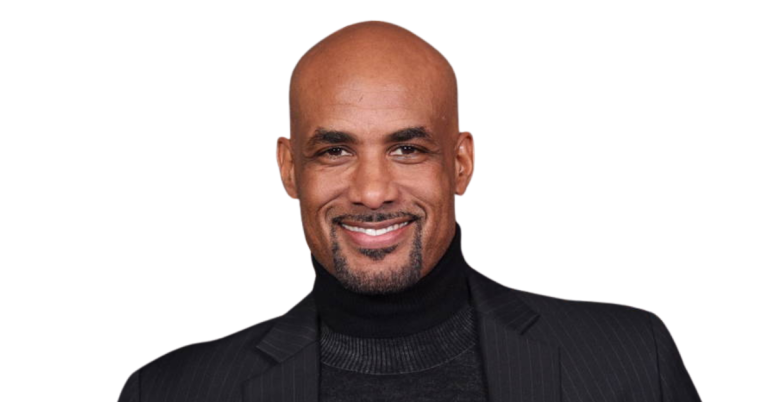
Strive Masiyiwa is not chasing noise. He is building something steady.
Through Econet InfraCo, the infrastructure arm being carved out of Econet Wireless Zimbabwe, the billionaire entrepreneur is backing a 300-hectare industrial park near Harare’s main airport. At its heart will be a 100-megawatt solar power plant and a large-scale data centre, designed to support manufacturers, processors and export-focused businesses from day one.
It sounds technical, but the idea behind it is very human.
Across Africa, many businesses fail not because the ideas are weak, but because the basics are missing. Power cuts disrupt production. Poor connectivity slows growth. High set-up costs scare away investors before the first machine is even switched on. Econet InfraCo’s answer is to solve those problems upfront.
The industrial park is being designed as a place where companies arrive to find the hard work already done, clean energy, reliable digital infrastructure and a location that connects directly to regional and global markets. Instead of worrying about generators and internet downtime, businesses can focus on creating products, exporting value and hiring people.
Douglas Mboweni, Group Chief Executive of Econet, says the vision is simple: build the power, water and digital backbone that modern industries need, then open the doors to investors. The solar plant will be developed in phases, growing as demand increases, ensuring the project remains practical, sustainable and scalable.
The choice of location speaks volumes. Being next to Zimbabwe’s busiest international airport is not about convenience alone, it is about confidence. Confidence that goods made in Zimbabwe can move quickly to the world. Confidence that global investors will take a second look when logistics, power and data sit in one place.
Work on the first phase of the project has already begun, subject to regulatory approvals. When fully completed, the development is expected to rank among Zimbabwe’s largest private-sector investments since independence, supporting the country’s push for industrial growth and exports.

Behind this project is a founder who has seen what infrastructure can do. Strive Masiyiwa often speaks about moments that changed his journey, including 1996, when Ericsson shipped his first mobile network equipment. Decades later, watching advanced AI systems being installed at Econet’s first AI Factory in Cape Town, he felt that same excitement again.
In December, he described 2025 as his best year as an entrepreneur in a long time, crediting artificial intelligence for pulling him back into deep problem-solving. That mindset, thinking long-term, building foundations before chasing scale runs through the Harare industrial park.
Econet InfraCo itself was formally unveiled in December 2025 as part of a broader restructuring that separates infrastructure assets from mobile operations. While the unit has long managed towers, fibre networks, power systems and data facilities behind the scenes, it is now stepping into the spotlight. Econet has also indicated plans to list InfraCo on the Victoria Falls Stock Exchange, subject to approvals, as it seeks to unlock value and attract patient capital.
Across the continent, this kind of thinking is becoming more common. Telecom companies are no longer just about calls and data bundles. They are becoming builders of ecosystems linking energy, technology and industry in ways that shape how economies grow.
This project is personal for Strive Masiyiwa, It reflects a belief that Africa does not need shortcuts. It needs systems that work, built with patience and purpose. Solar panels instead of stop-gap generators. Data centres instead of dependence. Planning measured in decades, not quarters.
As the sun rises and sets near Harare’s airport, the land there is slowly being transformed. Not by loud promises, but by quiet preparation.
And in that silence, a powerful message is taking shape: Africa’s future can be built at home, carefully, confidently, and with faith in what is possible.