Spotify has made one thing clear about its future in Nigeria: the company would rather convince millions more Nigerians to pay for music than suddenly raise subscription prices in Africa’s biggest entertainment market.
The global streaming giant believes affordable pricing will help build a stronger long-term music economy across the continent, especially in Nigeria, where Afrobeats continues to dominate global charts and shape pop culture conversations worldwide.
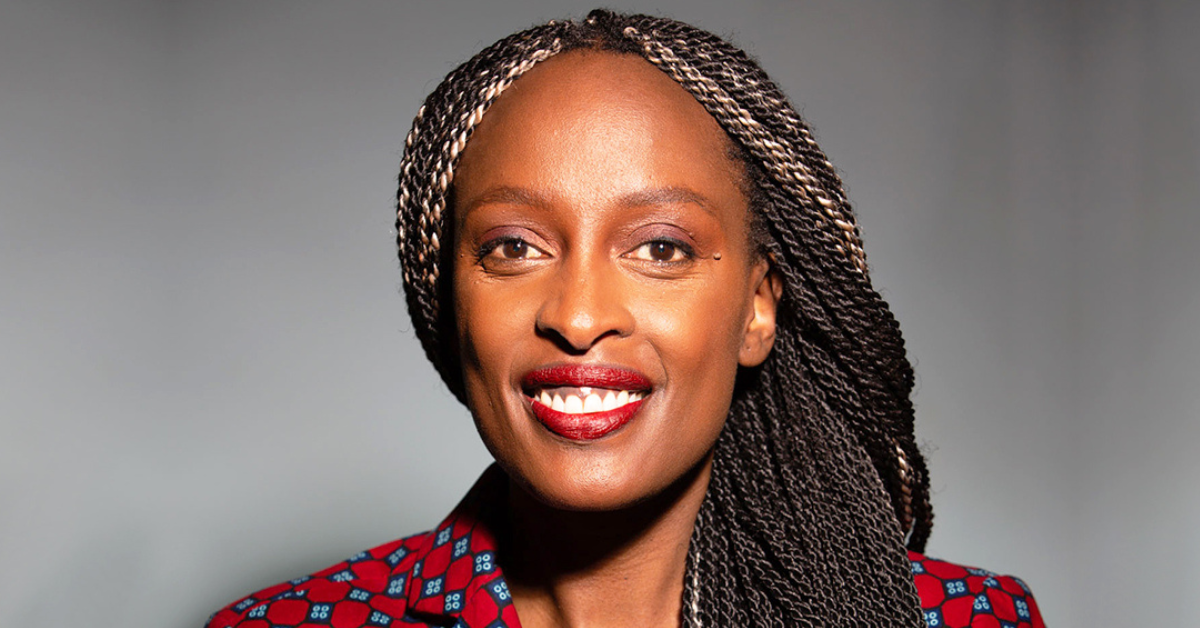
According to Spotify’s Sub-Saharan Africa Managing Director, Jocelyne Muhutu-Remy, growing the number of paying users matters more than forcing subscribers to absorb sharp price increases during difficult economic conditions.
Speaking in an interview with TechCabal, Muhutu-Remy explained that Spotify wants to remain realistic about the financial realities facing many Nigerians.
Spotify Premium currently costs about ₦1,600 per month in Nigeria, making it one of the cheapest subscription markets in Africa.
In comparison, subscribers in South Africa pay roughly $4.29, while users in Ghana and Kenya pay significantly higher prices than Nigerian users.
“We cannot just say, let us try to meet our benchmark and multiply and increase unreasonably,” Muhutu-Remy said. “We need to take into consideration people’s reality.”
Her comments arrive at a time when digital subscriptions across Africa continue to face pressure from inflation, currency instability, and rising living costs.
Yet Spotify believes the continent still holds massive commercial potential.
The International Federation of the Phonographic Industry reported that streaming generated nearly 70% of global recorded music revenue in 2025, showing how platforms like Spotify continue to reshape the music business globally.
Despite lower subscription fees in Nigeria, Spotify insists local users remain extremely valuable to the international success of Nigerian music and Afrobeats culture.
According to Spotify’s annual Loud Clear report, Nigerian artists earned around ₦1.98 per stream in 2025.
However, the company argues that artist earnings will improve naturally as more listeners adopt paid streaming habits.
Muhutu-Remy said market growth and user volume will eventually strengthen artist payouts across the continent.
Spotify revealed that Nigerian artists’ earnings increased by 140% between 2023 and 2025, underlining the rapid commercial rise of Nigeria’s music industry.
However, growth between 2024 and 2025 slowed to about 3.45%, partly because streaming expansion inside Nigeria still remains in its early stages.
At the same time, local streaming activity inside Nigeria jumped by 170%, proving that domestic listeners now play a much bigger role in pushing Nigerian music globally.
“Just because Spotify costs less in Nigeria does not mean a Nigerian fan is less valuable,” Muhutu-Remy explained. “Because it takes a Nigerian to take Nigerian music out of Nigeria.”
That statement reflects Spotify’s broader strategy in Africa.
The company sees local fans as cultural ambassadors who help Nigerian artists break into international markets through social sharing, diaspora communities, and online influence.
Spotify currently operates in 184 markets worldwide with more than 761 million active users and nearly 300 million subscribers globally.
Although the company does not release country-specific subscriber numbers, executives say African subscriptions continue to grow steadily.
Instead of introducing aggressive price increases, Spotify says it plans to focus on mobile partnerships, alternative payment methods, and telecom integrations that make streaming easier for more Africans.
In 2023, Spotify partnered with telecom giant Orange to provide free music access through selected mobile plans in the Democratic Republic of the Congo, Madagascar, and Mali.
The streaming company believes similar partnerships could unlock millions of future subscribers across Africa’s mobile-first economy.
Muhutu-Remy also rejected the long-standing belief that African consumers are unwilling to pay for digital services.
“You will be glad to know that generally, in Africa, the willingness to pay is there,” she said. “It is a cliché to say the opposite.”
For Spotify, Nigeria remains one of its most important long-term markets globally.
The company sees the country as both a cultural powerhouse and a future commercial giant capable of transforming Africa’s streaming economy.
“Nigeria is a superpower from a cultural perspective,” Muhutu-Remy said. “It has the foundation to be a commercial superpower because the right conditions are there.”
As Afrobeats continues expanding across the United States, Europe, and other international markets, Spotify appears determined to keep Nigeria at the centre of its African growth ambitions.

- Lebo & Tebo Ndala Bring ‘Twice As Nice – With Love From The Twins’ to The Home Channel

- Luxury Tanzania Safari Camp Redefines Wellness Travel in Serengeti’s Grumeti Reserve

- Hoedspruit Emerges as South Africa’s Fastest-Growing Semigration

- British Airways Cabin Crew Salary 2026 Revealed: How Much BA Flight Attendants Earn

- Most Expensive African Cities to Rent in 2026: Rabat Ranks Among Costliest Housing Markets