Nigeria’s Dangote Refinery is entering a new chapter that could reshape global fuel markets and elevate Africa’s role in international energy trade.
After reaching its full processing capacity of 650,000 barrels per day earlier this year, the refinery is now focusing on a far bigger challenge: securing diverse crude supplies, expanding exports, and preparing for a future in which it could become the largest refinery complex in the world.
Leading that transformation is David Bird, the refinery’s first chief executive officer and former executive at Oman’s Duqm Refinery.
Bird believes the facility has moved beyond the startup phase and is now operating at a level that demands world-class trading expertise, supply chain management, and international market access.
The refinery reached full capacity in February, a milestone that arrived just as global fuel markets faced fresh disruptions.
Within weeks, Dangote Refinery increased exports of diesel and aviation fuel to countries seeking alternatives to Middle Eastern supplies.
That rapid response highlighted the growing influence of the Lagos-based facility.
In April, the refinery emerged as the world’s largest exporter of aviation fuel, strengthening its position as one of the most important new energy assets globally.
Unlike traditional refineries that process crude delivered through dedicated pipelines, Dangote operates a merchant refining model similar to major refining hubs in Europe and Asia.
This structure allows the company to source crude from multiple regions while selling refined products across international markets.
The refinery’s operational performance has improved significantly since its launch in 2024. Earlier production challenges and periodic outages limited output during the commissioning phase.
Today, however, the facility is operating close to full capacity and continues to expand its product slate.
According to Bird, Dangote has enhanced gasoline production by importing blending components such as GTL naphtha and Bonny condensate.
The refinery can comfortably produce approximately 75 million liters of fuel daily and could potentially increase that figure to 100 million liters if additional storage infrastructure becomes available.
The company is also investing in new petrochemical and processing projects. Planned developments include a propane dehydrogenation facility capable of producing polypropylene from imported liquefied petroleum gas.
Additional investments in specialty chemicals and diesel treatment units are expected to strengthen the refinery’s integrated industrial model.
A key priority now involves reducing dependence on specific crude grades.
Although the refinery was originally designed to process Nigeria’s light sweet crude, supply limitations and terminal reliability challenges have encouraged management to broaden sourcing options.
The refinery currently processes around 40 crude grades from different regions.
Bird wants that number to grow substantially.
His long-term vision includes a flexible feedstock portfolio comparable to major global refining centers such as Singapore.
That flexibility becomes even more important as Dangote advances a planned $10 billion expansion project that would increase capacity to 1.4 million barrels per day.
At that level, the refinery would require significantly larger volumes of crude oil and increasingly sophisticated blending strategies.
Management expects to incorporate heavier crude grades from the Middle East and potentially other regions to optimize margins and maximize efficiency.
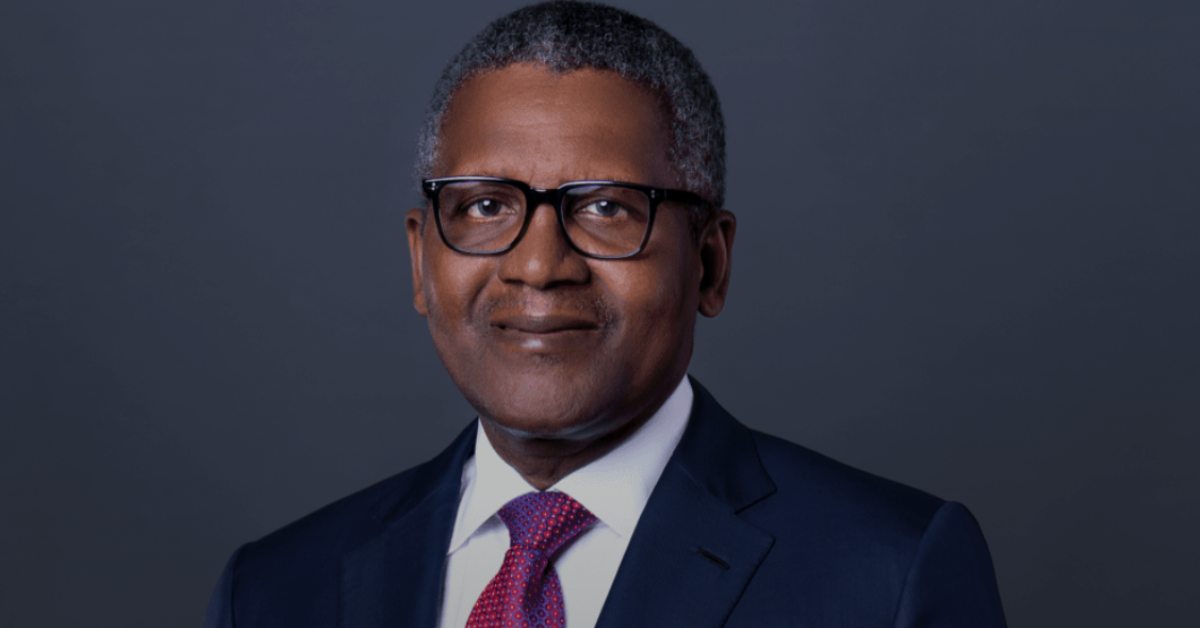
Founder Aliko Dangote has previously indicated interest in sourcing crude from the United Arab Emirates and other international producers.
The company is also evaluating opportunities in South America as part of its diversification strategy.
Beyond refining, Dangote is building an extensive distribution network across Africa.
The company is finalizing approvals for fuel storage infrastructure in Namibia and evaluating logistics projects connecting Southern and Eastern African markets.
Discussions involving Djibouti and Cameroon also demonstrate the company’s ambition to create a continent-wide fuel supply chain.
Export growth remains central to that strategy.
Currently, approximately half of the refinery’s output reaches international markets.
Future production generated by the planned expansion will be directed primarily toward exports, allowing the company to strengthen its footprint across Africa and beyond.
To support that growth, Dangote is shifting away from a model dominated by spot-market transactions. Instead, management is pursuing long-term supply agreements with governments, national oil companies, distributors, and large industrial customers.
Those agreements could provide more predictable demand while reducing exposure to short-term market volatility.
The refinery is also upgrading port infrastructure to improve logistics efficiency.
A new four-berth marine jetty will accommodate larger vessels and support smoother exports while reducing dependence on road transportation.
Meanwhile, investors are watching closely as Dangote prepares for a public listing expected later this year.
The company plans to float between 5% and 10% of its shares on the Nigerian stock market.
Executives believe the refinery could command a valuation of approximately $40 billion, potentially making it one of Africa’s most valuable industrial businesses.
For Bird, however, the refinery’s future extends beyond refining and exports.
He sees the project as the foundation of a broader industrial transformation that could turn the Lekki Free Zone into one of the world’s most significant manufacturing and energy hubs.
If successful, the area could evolve into an economic powerhouse comparable to the largest industrial zones in the Middle East.
That vision reflects the scale of Dangote’s ambitions. What began as a project designed to solve Nigeria’s fuel import dependence is rapidly becoming a global energy story—one that could redefine Africa’s place in international trade, refining, and industrial development.