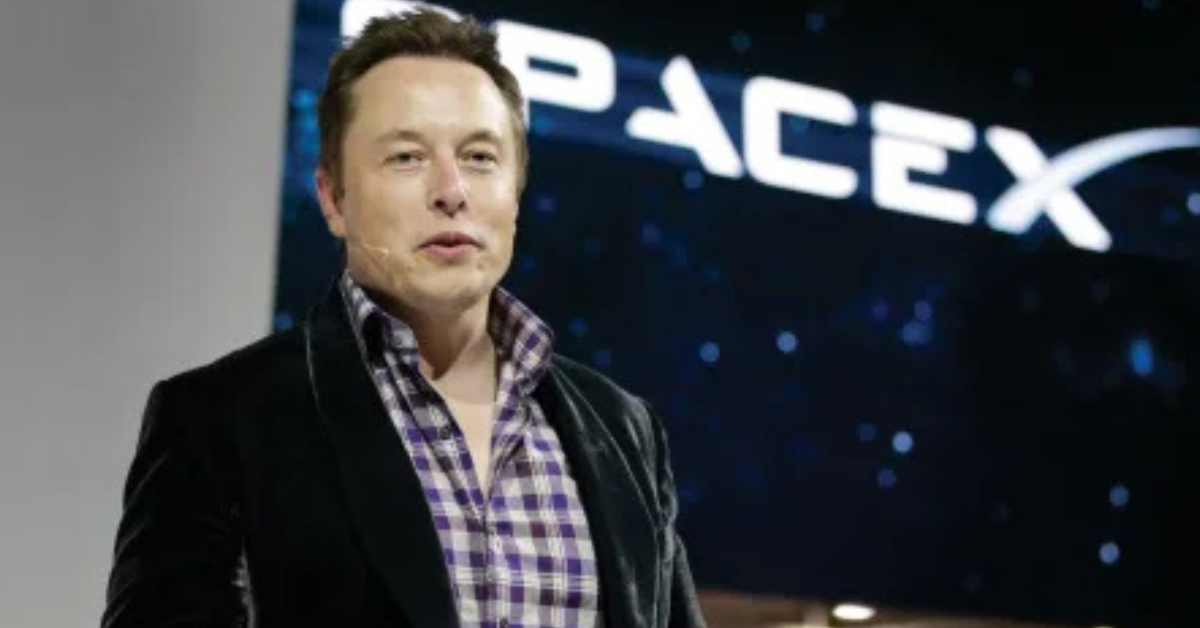
Elon Musk has projected a bold future for the global space economy, stating that SpaceX could generate more than $1 trillion in annual revenue by 2030.
He made the statement on Sunday through his social platform X, shortly after the aerospace company reportedly crossed a valuation above $2 trillion, a milestone that places it among the most valuable firms in the world.
Musk expressed confidence in the company’s trajectory, noting that revenue could even exceed $1 trillion by 2031. He responded directly to financial commentator Jon Erlichman, reinforcing his long-standing belief that space commercialization will become one of the most powerful economic engines of the next decade.
The company’s rise has been rapid, but its financial performance still shows a complex picture. In 2025, SpaceX reported revenue of $18.67 billion, up from $14.02 billion the previous year.
However, the company also posted a net loss of $4.94 billion, reversing a profit of $791 million from the prior year. This contrast highlights the scale of investment required to sustain its ambitious space and satellite expansion programs.
Despite its valuation surge, SpaceX still generates significantly less revenue than established tech giants such as Broadcom and Amazon. Even so, investor sentiment continues to be driven by long-term expectations rather than short-term profitability.
Market analysts remain cautious. Goldman Sachs previously estimated SpaceX could surpass $470 billion in revenue by 2030, while Morgan Stanley projected closer to $330 billion, according to earlier financial reports. Musk’s $1 trillion forecast therefore places his expectations far above Wall Street consensus.
The company’s growing dominance in satellite internet, rocket launches, and space infrastructure continues to reshape investor narratives around the future of aerospace.
As global demand for connectivity and orbital services expands, SpaceX sits at the center of a rapidly evolving industry that blends technology, defense, and commercial space travel.
For markets and investors, the key question is no longer whether space will be profitable, but how quickly it can scale into a trillion-dollar economy.




- Burna Boy Becomes First Nigerian Artiste to Hit 4 Billion YouTube Views

- Serena Williams’ Nike Jacket Celebrates a Legacy of US Open Dominance

- Tanzania to Host the 74th Miss World Festival in May 2027

- Beyoncé Drops Pharrell Track on 20th Anniversary Birthday

- Jay Z Stuns London With Beyoncé Tribute and Fugees Reunion