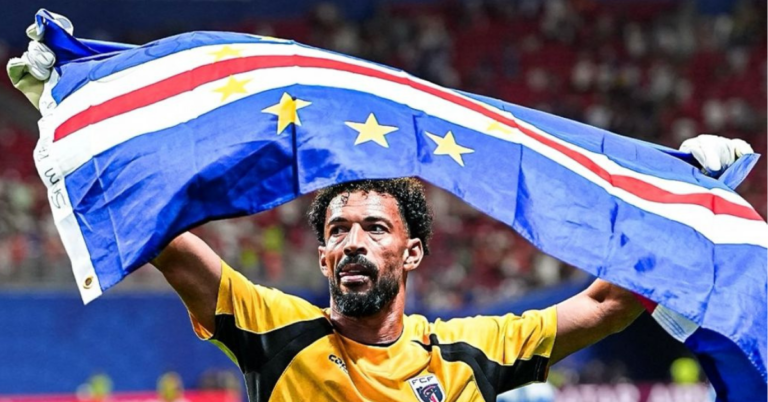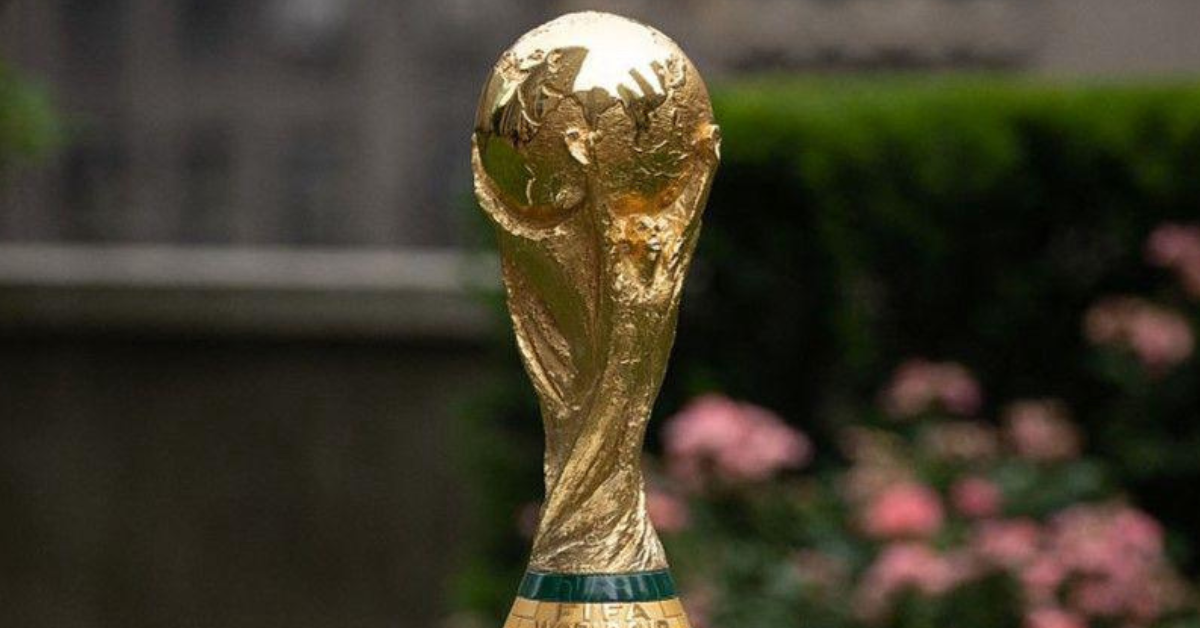
For six weeks, the FIFA World Cup transforms into far more than the world’s biggest football tournament. It becomes the largest storytelling platform on Earth, where nations compete not only for a trophy but also for global attention, reputation, and influence.
Many fans believe the World Cup revolves around goals, tactics, and unforgettable moments. While those elements define the competition on the pitch, another contest unfolds beyond the stadium. Countries fight to shape how billions of people perceive them, making every match an opportunity to strengthen their national image.
The real prize often extends beyond lifting the famous trophy. Every kickoff introduces a country to audiences across continents. Every victory reinforces confidence, resilience, ambition, and cultural identity. As a result, football becomes one of the world’s most effective tools of soft power.
When the United States faces Morocco, for example, viewers witness more than two football teams competing. They also see two national stories sharing the same global stage. The United States projects innovation, determination, and its tradition of responding to challenges. Morocco demonstrates that an African and Arab nation can compete with football’s traditional powers while inspiring millions across the Global South.
Long before the referee blows the opening whistle, those narratives already exist. Every celebration, anthem, jersey, and supporter adds another chapter to a country’s story. Consequently, each match influences how international audiences remember that nation long after the tournament ends.
That explains why governments, tourism agencies, broadcasters, and sports organizations invest enormous resources in the World Cup. Football delivers something few events can match: unmatched visibility.
With 211 member associations, FIFA includes more nations than the United Nations has member states. Yet qualification offers something even more valuable than participation. Countries earn television coverage across hundreds of territories, while their flags, cultures, and identities appear in homes from São Paulo to Seoul, Lagos to London, and New York to Nairobi.
For emerging nations, that exposure can redefine international perception. A remarkable tournament often changes global conversations about tourism, investment, culture, and opportunity. Therefore, success on the field frequently creates momentum far beyond sport.
This represents what many analysts describe as narrative sovereignty—the ability of a nation to tell its own story instead of allowing others to define it.
Countries that understand this reality play two games simultaneously. First, they compete for victories on the pitch. Second, they compete for influence in the minds of billions watching around the world. Those that recognize both contests often gain lasting benefits that extend well beyond football.
History repeatedly shows that memorable World Cup performances reshape national brands. Unexpected victories capture global imagination. Passionate supporters become cultural ambassadors. Iconic moments create emotional connections that traditional marketing campaigns struggle to replicate.
For creative professionals, entrepreneurs, marketers, and political leaders, the World Cup offers an important lesson. Every major platform is also a storytelling platform. The organizations and nations that recognize the larger narrative often achieve influence that outlasts individual results.
The biggest winners rarely focus only on the game in front of them. Instead, they understand the broader story they are helping to create.
That perspective changes how audiences experience the FIFA World Cup. Instead of watching only football, they begin watching history, identity, ambition, and national branding unfold in real time.
Perhaps that is the tournament’s greatest achievement. Every match becomes a conversation about who a nation is, what it represents, and how it wants the world to remember it.


- Dangote Refinery Nears Full Gasoline Production as Nigeria Seeks Fuel Market Stability
- Zimbabwe’s $1B Gold Mine Signals a New Mining Power Shift

- Dangote Refinery Targets Global Dominance With Massive Expansion
- Lagos State Ministry of Commerce, Cooperatives, Trade & Investment Officially Endorses African Entrepreneurship & Business Summit (AEBS) 2026

- Saudi Arabia $12.5B Tokenization Push Reshapes Global Finance