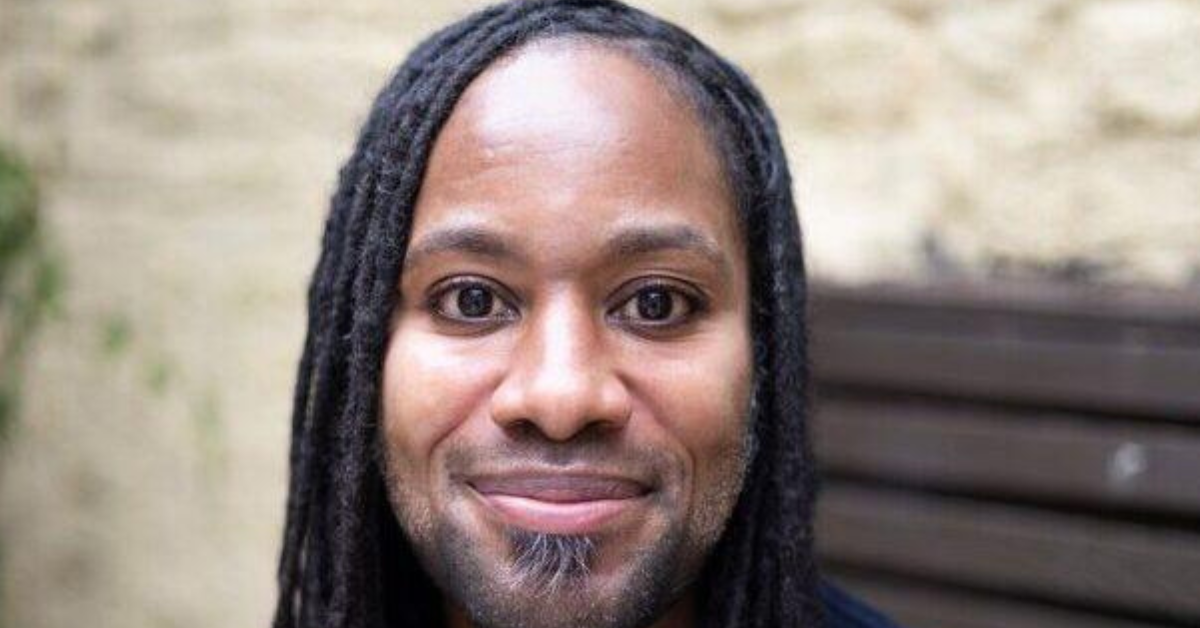
Professor Jason Arday has resigned from the University of Cambridge with immediate effect as the university investigates new concerns surrounding his academic qualifications, honorary appointments and allegations of academic misconduct.
Cambridge announced the investigation on Wednesday after receiving what it described as new information relating to Arday’s academic qualifications and honorary appointments. Jesus College, where Arday was a fellow, has also begun a separate process.
Arday’s resignation brings an abrupt end to a remarkable chapter in his academic career. In 2023, he became the youngest Black professor ever appointed at Cambridge, taking up the role of Professor of Sociology of Education at the age of 37. (news.educ.cam.ac.uk)
His appointment had been widely celebrated as a significant milestone for representation in British higher education. Arday had built a career researching race, inequality and access to education, while advocating for greater representation of Black and other underrepresented groups within academia. (news.educ.cam.ac.uk)
The circumstances surrounding his departure, however, have placed his academic record under intense scrutiny.
In a statement published by the Good Law Project, Arday said the sustained public attention and personal criticism had become too difficult to bear. He described his Cambridge professorship as the greatest professional privilege of his career but said he had reached a point where the personal cost had become too high.
Arday said his decision to resign should not be interpreted as a rejection of scholarship or an acceptance of the allegations made against him. He said he was stepping away for his wellbeing and his family and intended to return to academic work after taking time to recover.
The controversy intensified after allegations were raised concerning sections of Arday’s doctoral thesis and other aspects of his professional record.
US researcher Nathan Cofnas publicly questioned Arday’s academic work and credentials, including alleged similarities between sections of his PhD thesis and material published by other researchers. Reports subsequently brought wider attention to questions surrounding Arday’s academic appointments and professional claims. (The Guardian)
Arday has acknowledged mistakes in some of his academic work but has rejected claims that he deliberately misrepresented his career. He has also disputed the suggestion that he knowingly acted dishonestly.
The allegations are particularly significant because Cambridge had previously faced pressure to defend Arday against what it described as a campaign intended to undermine his credibility. The university has now said its latest investigation follows new information and is separate from existing complaints being handled under its research misconduct procedures. (The Guardian)
The scrutiny has also expanded beyond academic publications.
Questions have been raised about claims associated with Arday’s charitable endurance challenges and fundraising activities. Reports have examined claims that more than £5 million was raised for charity through running and endurance events over a period of roughly two decades. Arday has said the fundraising involved other people and that confidentiality agreements prevent him from identifying them. (AP News)
Questions have also emerged about the details of a reported 600 mile treadmill challenge. Arday has clarified that the challenge took place over 12 days rather than six, with rest days included because of the physical demands involved. He has continued to stand by other running achievements attributed to him.
The wider dispute has created a reputational challenge for Cambridge, particularly around the processes used to assess senior academic appointments.
The Financial Times reported that Cambridge plans to review its senior academic appointment process following Arday’s resignation. The review adds an institutional dimension to a controversy that initially centred on allegations concerning one academic’s record. (Financial Times)
For universities, the episode raises broader questions about due diligence, institutional reputation and the importance of rigorous verification when appointing senior academics.
For African business leaders, entrepreneurs and innovators watching the story, the case also carries a wider lesson about credibility. In an increasingly reputation driven global economy, professional achievements are not only personal assets. They can become part of the reputation of the institutions, organisations and communities associated with them.
Arday’s rise had carried particular significance because of what his Cambridge appointment represented. His journey from struggling with literacy in his youth to becoming a professor at one of the world’s most prestigious universities had been presented as an example of extraordinary personal and academic transformation. (news.educ.cam.ac.uk)
That story is now being reconsidered under the weight of unresolved questions.
Arday has maintained that some of the criticism directed at him has been racially motivated and connected to wider opposition to diversity, equity and inclusion initiatives. He has also attributed some errors in his early academic work to the way he processed information and learned through mimicry.
Those claims remain part of the broader dispute and have not been established as findings of Cambridge’s investigation.
Meanwhile, publisher Simon & Schuster has continued to defend its relationship with Arday ahead of the publication of his memoir. The publisher has expressed confidence in the professional relationship it has maintained with him throughout the publication process. (AP News)
The controversy has also involved the Metropolitan Police following a complaint concerning a journalist who contacted Arday while reporting on the allegations. Police concluded that no offence had been committed and later acknowledged concerns about the instruction given to the journalist not to make further contact.
As Cambridge and Jesus College continue their respective processes, key questions surrounding Arday’s academic record, appointments and professional claims remain unresolved.
His resignation does not itself determine the outcome of those investigations.
Instead, it closes his formal chapter at Cambridge while leaving the institution to examine how the concerns arose, how previous reviews were handled and whether its appointment processes require greater scrutiny.
For Arday, the departure marks the end of a historic professorship that once symbolised a breakthrough in representation at one of the world’s most influential universities.
For Cambridge, it has become a test of institutional accountability, academic standards and public trust.
And for the wider global academic community, the case is a reminder that extraordinary career narratives can carry extraordinary expectations, making transparency and verification increasingly important at the highest levels of professional leadership.




- Nigerian Afrobeats star Ayra Starr is set to make history at the NFL’s game

- Burna Boy, Shakira’s “Dai Dai” Hits 1 Billion YouTube Views

- Davido Thrills London Fans, Announces 2027 Stadium Tour

- Angélique Kidjo Makes History on Hollywood Walk of Fame

- Ghana Movie Awards 2026 Red Carpet Sets New African Fashion Standard