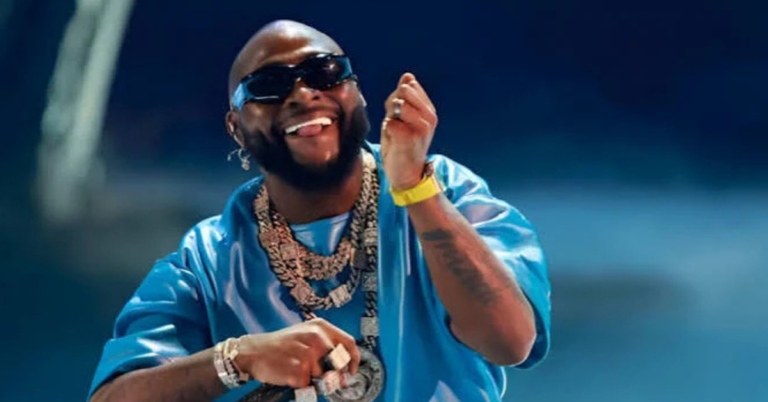
Ghanaian rap icon Sarkodie has reaffirmed that music remains his life’s purpose, not a pursuit of fame or industry validation, in a recent interview with The Voice Newspaper.
While his long-running Rappaholic concert brand prepares for a landmark edition at London’s Royal Albert Hall, Sarkodie used the conversation to center a deeper message on authenticity, cultural pride, and purpose-driven artistry.
“My main reason for doing music is expressing myself creatively,” he said. “Everything else is icing on the cake.”
For over 13 years, Rappaholic has evolved from an album launch event into one of Ghana’s most significant annual music platforms. Originally created to mark the release of his Rappaholic project, the event quickly grew beyond a single album cycle. Rather than restrict it to new releases each year, Sarkodie transformed it into a broader celebration of Ghanaian music and African creativity.
The show has consistently sold out in Ghana and recently expanded to Kumasi, reconnecting with his roots. Now, its move to London signals a new chapter not simply for the brand, but for Ghanaian hip-hop’s global footprint.
However, Sarkodie insists the concerts, awards, and international stages do not define his motivation.
According to him, many artists lose direction when fame becomes the goal. He explained that from the moment he first picked up a pen, his focus centered on storytelling and creative expression rather than celebrity culture.
He acknowledged that the music industry often promotes measurable benchmarks Grammy wins, BET awards, streaming numbers, and monthly listeners. At one point, he admitted, he paid attention to those expectations. Eventually, he realized those standards could box an artist into constant comparison.
Now, he creates freely.
Some songs become major hits. Others resonate deeply with core fans. Either way, he no longer ties his fulfillment to statistics.
Beyond personal growth, Sarkodie revealed that his purpose is deeply connected to Ghana. During the interview, he shared that at a peak moment in his career, he experienced unexpected reflection. Although he was achieving global recognition, he felt his country’s creative industry had not fully risen alongside him.
That realization reshaped his mission.
“My purpose is tied to my country,” he stated. “I want Ghana to win, not just Sarkodie.”
He emphasized that Ghana continues to strengthen its position within Africa’s global music movement. While Nigeria has significantly amplified the continent’s global sound, Sarkodie believes Ghana holds a powerful legacy in hip-hop and cultural storytelling. Through platforms like Rappaholic, he aims to amplify that presence further.
Addressing hip-hop’s cultural roots, Sarkodie challenged the notion that rap is foreign to Africa. In Ghana, rap is known as Kasahari, meaning “fast talking.” Long before modern hip-hop gained international dominance, rhythmic spoken-word traditions thrived in African royal courts and cultural gatherings.
He argued that African rap does not imitate Western culture. Instead, it reclaims a storytelling tradition deeply embedded in African heritage.
Sarkodie also reflected on language choices throughout his career. Early on, he resisted pressure to rap entirely in English for international appeal. Instead, he mastered delivery, cadence, and musical structure in his native dialect. He believes powerful music transcends language when performed with conviction.
“Music is a universal language,” he noted.
His collaborations with global artists including T-Pain, Miguel, Idris Elba, and Giggs reinforced that belief. Strong artistry, he explained, travels beyond borders.
The interview also highlighted the influence of women in his journey. Raised by his mother and supported by his sisters, Sarkodie described women as foundational pillars in his life. He acknowledged the support of his wife and daughter and referenced his song Strength of a Woman as a reflection of that appreciation.
For emerging African creatives, Sarkodie offered direct advice protect your vision.
He explained that no one else can fully see or understand another person’s dream. As a young artist, he often envisioned himself on global stages long before the opportunities appeared. That stubborn belief, he said, sustained him through doubt and distraction.
“You have to be stubborn about what you see,” he emphasized.
Reflecting on the biggest difference between his early career and now, Sarkodie admitted that he once measured success by industry-defined milestones. Today, he rejects those external validations. Instead, he values creative freedom, impact, and cultural representation.
As Rappaholic expands beyond Ghana’s borders, the brand now represents more than a concert. It stands as a cultural statement one that reinforces Ghana’s contribution to global hip-hop while remaining grounded in purpose.
In an industry driven by visibility metrics and constant comparison, Sarkodie’s message remains clear: music first, mission always.
And for the Ghanaian rap pioneer, that clarity continues to define his legacy.