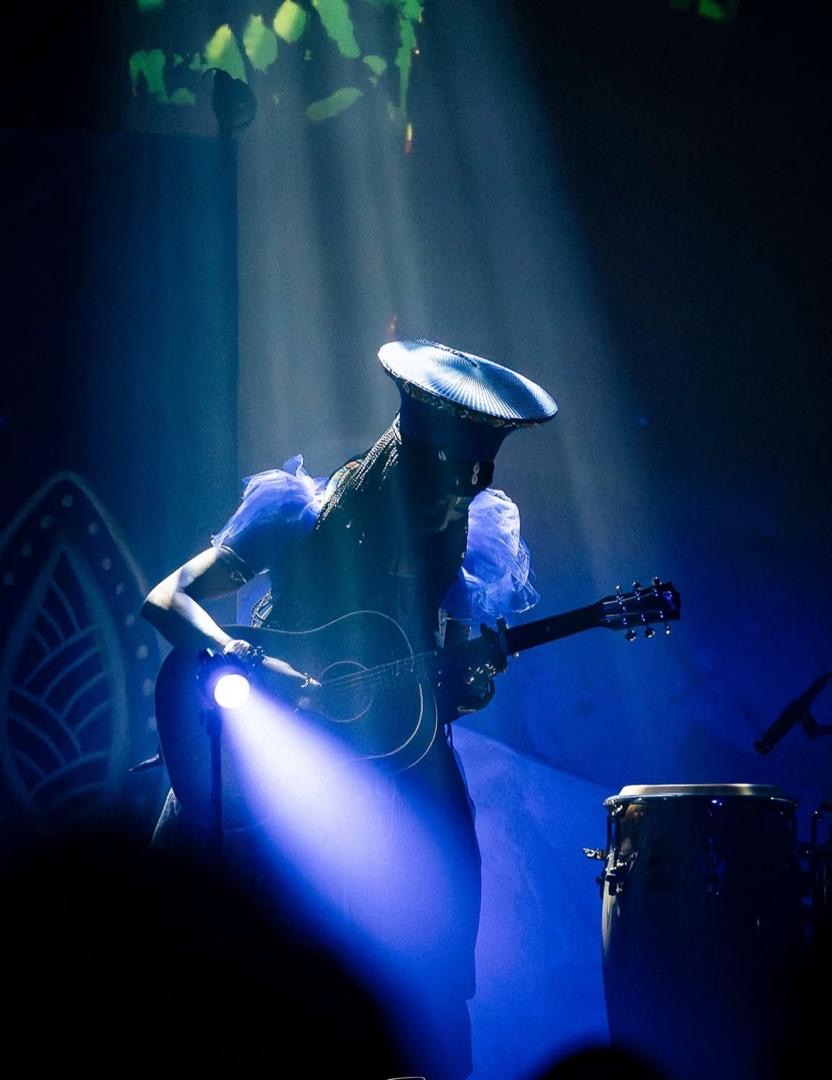
There are artists who entertain, and then there are artists who heal. Fatoumata Diawara belongs to the second category.
She does not simply sing songs. She tells stories, carries history, and opens emotional doors many people are afraid to touch. With every lyric and every guitar note, she reminds the world that music can still be medicine.
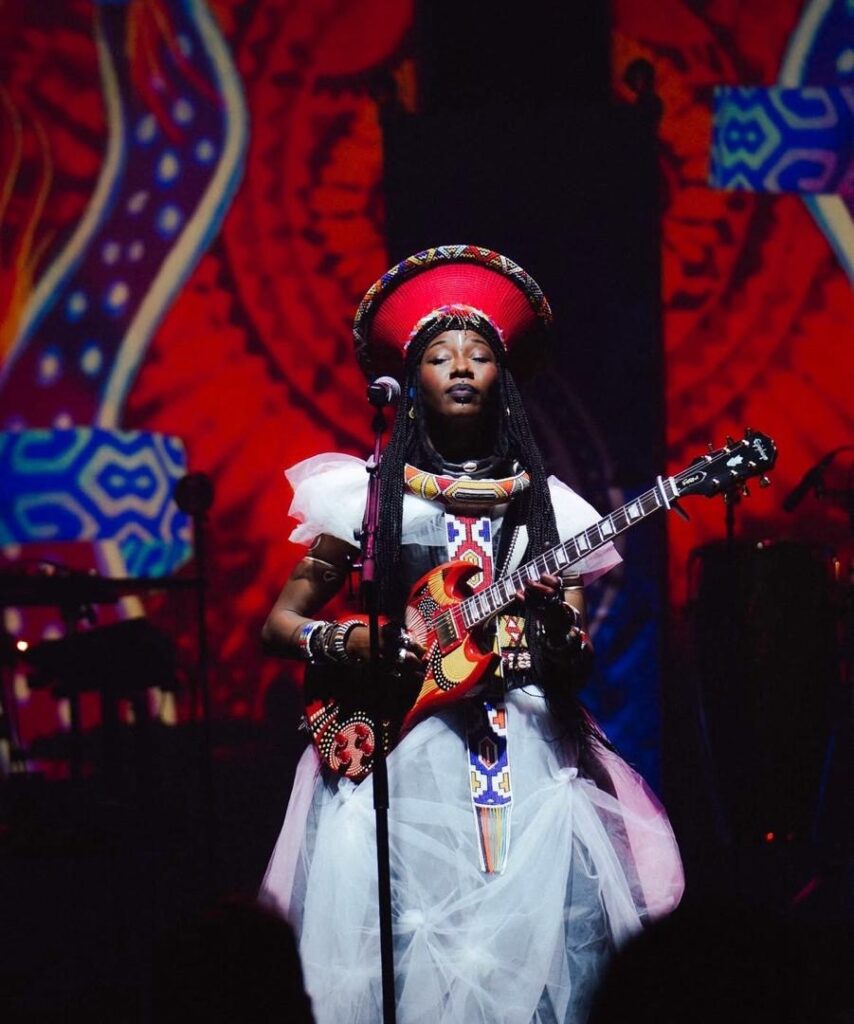
“I am someone that is dreaming of a better life and a better world for all of us.”
Born in Mali and shaped by one of the richest musical cultures in the world, Fatoumata Diawara has emerged as one of Africa’s most compelling voices, a singer, songwriter, guitarist, and storyteller whose art carries the spirit of tradition while speaking boldly to the future.
To understand Fatoumata is to understand that music, for her, is not entertainment. It is survival. It is healing. It is freedom.
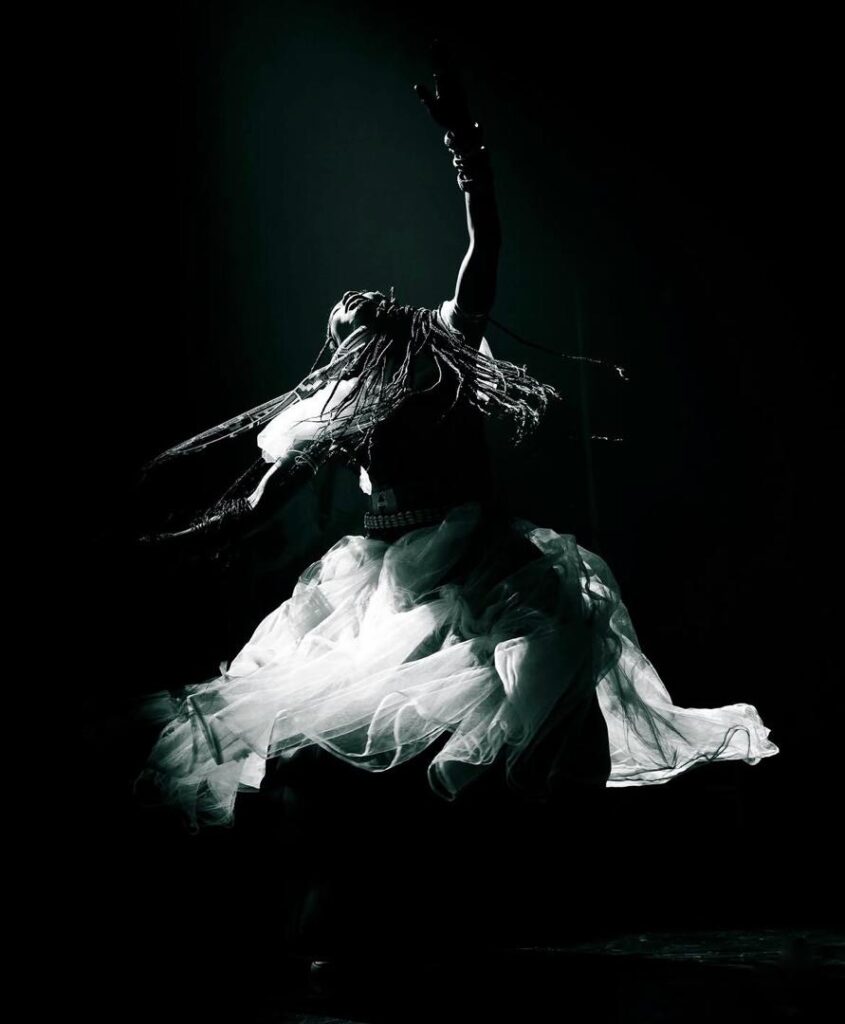
She has often reflected on how deeply music lives within Malian society. In Mali, she says, every region has its own sound, every instrument has its own language, and every rhythm carries identity. It is a nation where melody is woven into everyday life, from sunrise to nightfall.
Yet her own journey into music began through grief.
As a child living in Ivory Coast, Fatoumata experienced the devastating loss of her older sister. Faced with pain too heavy for words, she turned instinctively to song.
Instead of crying, she sang.
That moment would shape the rest of her life. Music became the place where sorrow could be transformed into strength, where wounds could become wisdom. It remains, even now, the emotional center of everything she creates.
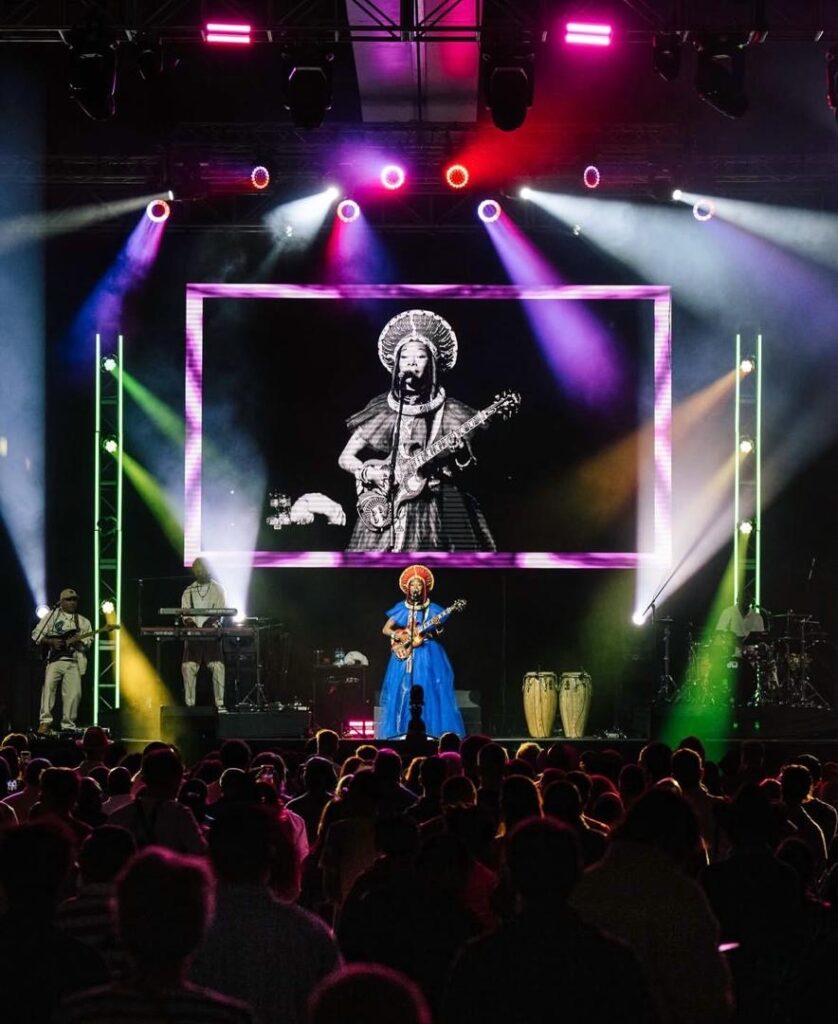
“I like singing to heal people, sharing my history and giving hope to people. When I step on stage, I feel like I’m going to war, a very positive war, a freedom war. Without the stage, I wouldn’t be able to survive in this world.”
When Fatoumata steps onto a stage, she does not merely perform songs, she enters a state of liberation. She has described the stage as the one place she feels entirely herself, even more than at home. There, she becomes stronger, freer, larger than life.
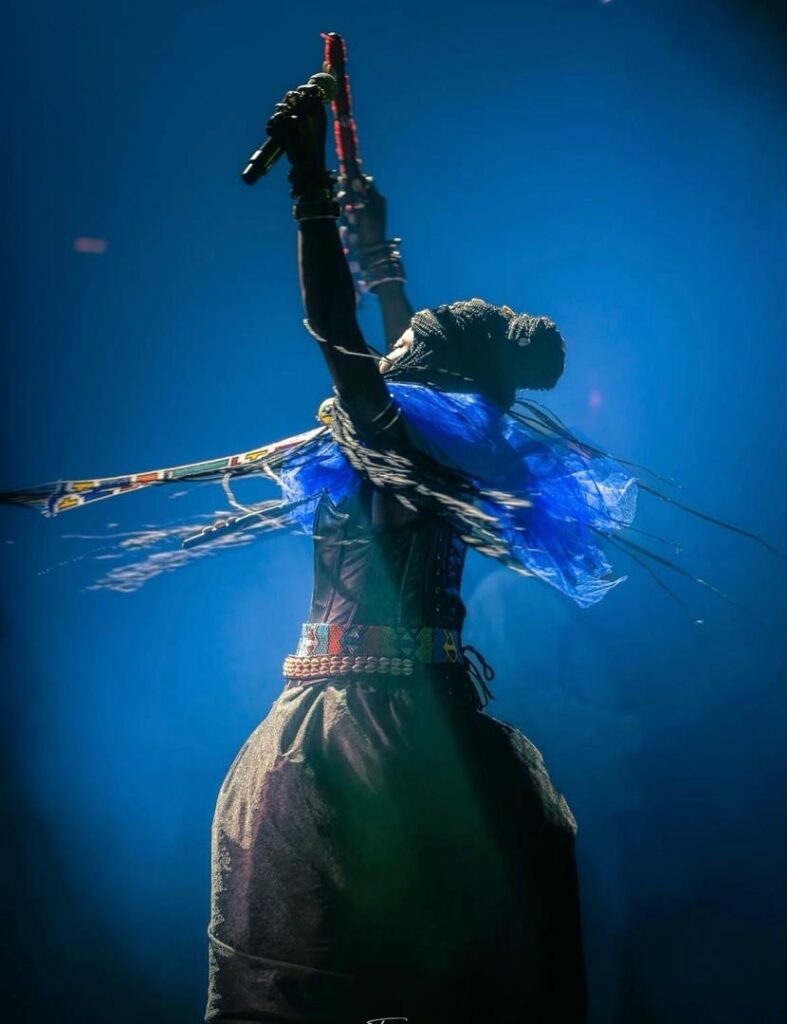
For audiences around the world, that energy is unmistakable.
Her performances pulse with conviction and tenderness in equal measure. She sings for women seeking their voice. She sings for children searching for possibility. She sings for young girls who need to hear that they are enough exactly as they are.
Her message is simple, but radical: Be yourself. Keep going. The world will one day applaud you.
Though fiercely proud of her Malian roots, Fatoumata refuses to be confined by geography. She calls herself a child of the world, and her music reflects that identity. African rhythms meet jazz, blues, folk, rock and modern global influences in songs that cross borders effortlessly.
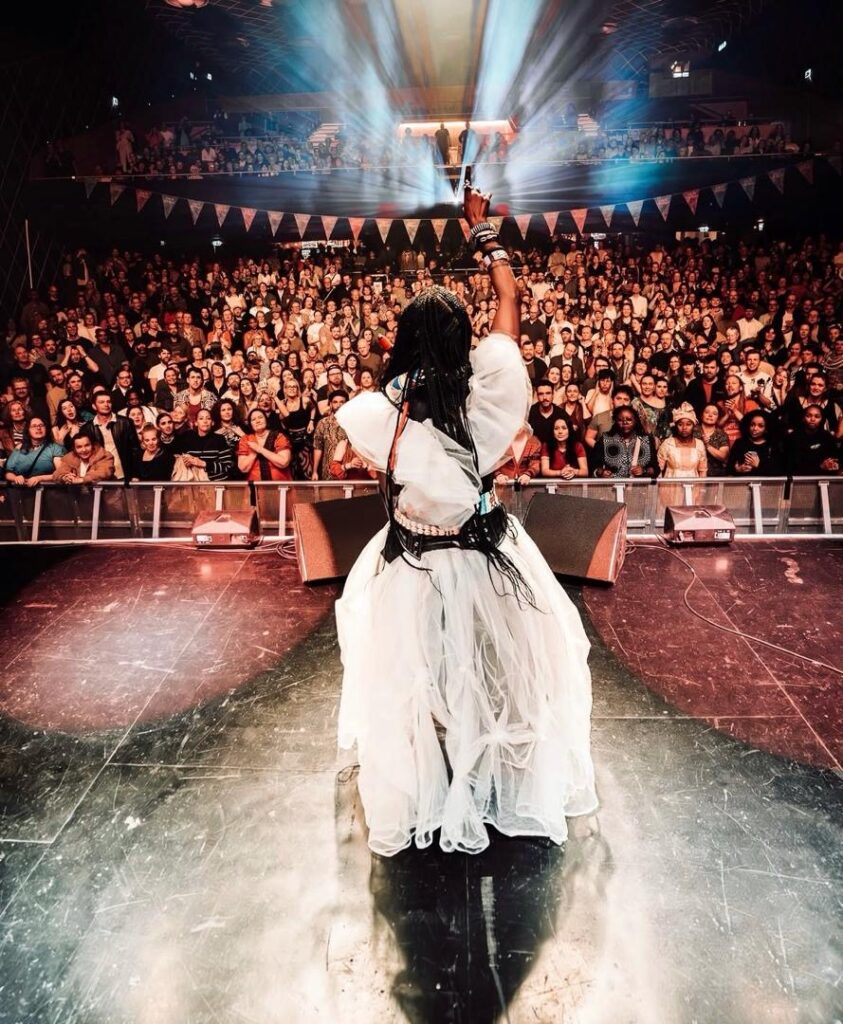
“That’s why when I compose, I compose for the world, not only for Africa. There’s no color, we are all human beings.”
For Fatoumata, humanity matters more than labels. Language, race and nationality are secondary to our shared existence. We are, as she reminds us, brothers and sisters first.
That worldview has made her not only an artist, but an ambassador of empathy in a divided world.
Now, her influence has reached another milestone.
Epiphone recently honored Fatoumata Diawara with the release of the Fatoumata Diawara SG, a signature guitar inspired by her artistry and unmistakable style.
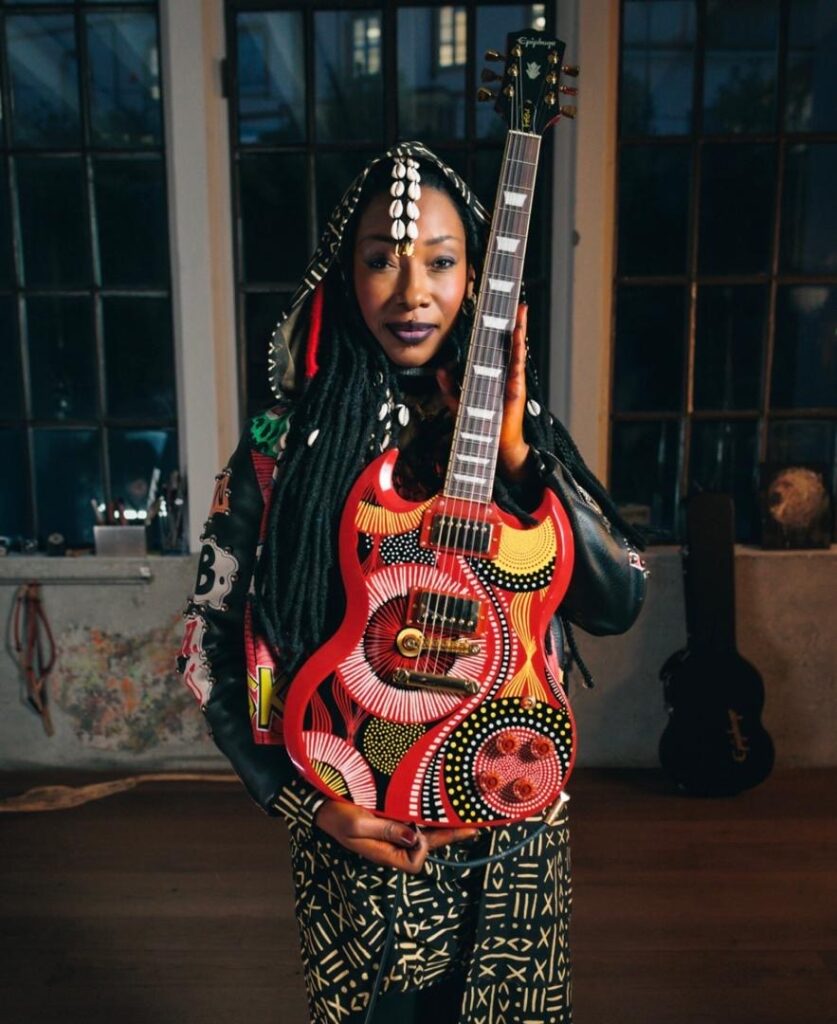
The collaboration is historic: Fatoumata became the first woman of color to receive an Epiphone signature guitar, a long-overdue recognition of both her musical excellence and cultural impact.
The brand praised her guitar work as a direct line to the source, acknowledging the deep connection between her sound and Mali’s legacy as one of the ancestral homes of the blues.
In Fatoumata’s hands, that legacy does not sit in a museum. It moves. It evolves. It dances.
More Than a Musician
What makes Fatoumata Diawara remarkable is not only her talent, but the values she carries with it.
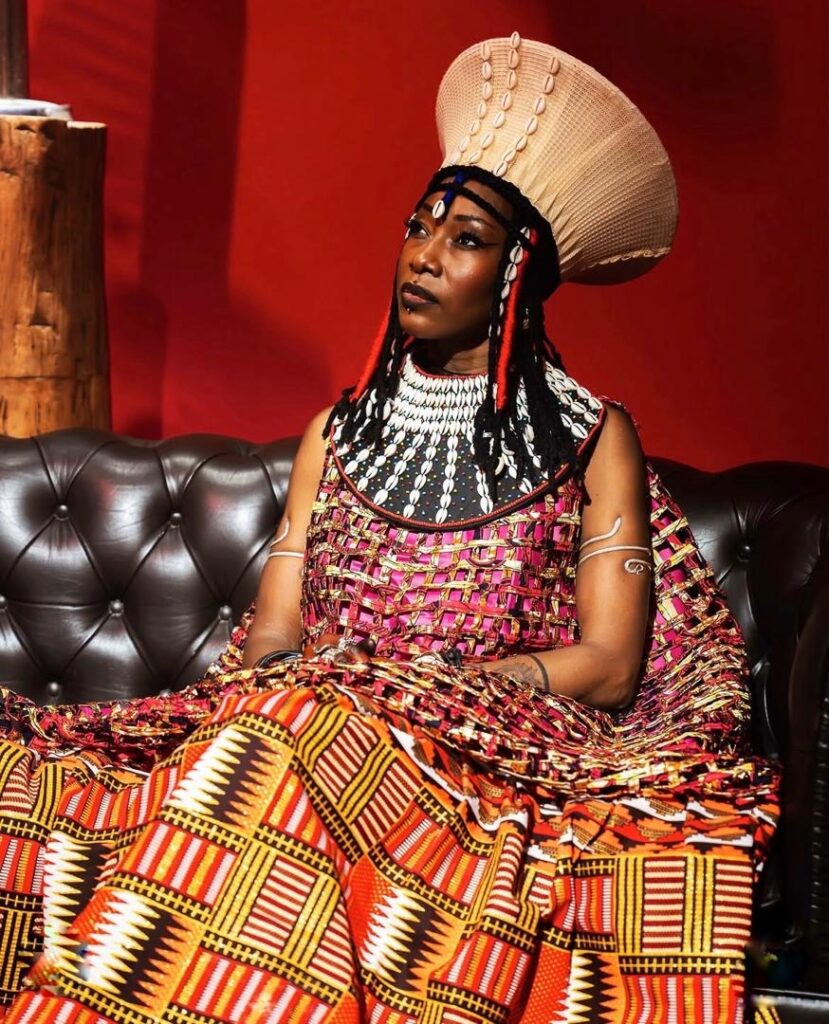
“When people see Fatoumata Diawara, I want them to see peace, love, generosity, purity, sincerity.”
These are the qualities she hopes people see when they encounter her. She describes her life as a movie whose ending has not yet been written.
If that is true, then the story is already unforgettable and the most powerful chapters may still be ahead.
- Nicola Peltz Beckham’s Beverly Hills Home Goes Minimal

- How Neesa Atelier is Weaving Ghanaian and Malian Influences Into Contemporary Luxury Fashion with “Dust & Raffia” Capsule Collection

- AMVCA 2026 Fashion Takes Over the Internet as African Designers and Celebrities Deliver Stunning Masterpieces

- Nana Akua Addo Breaks Internet With Architectural AMVCA 2026 Dress

- Osas Ighodaro AMVCA 2026 Look in Futuristic Veekee James Masterpiece