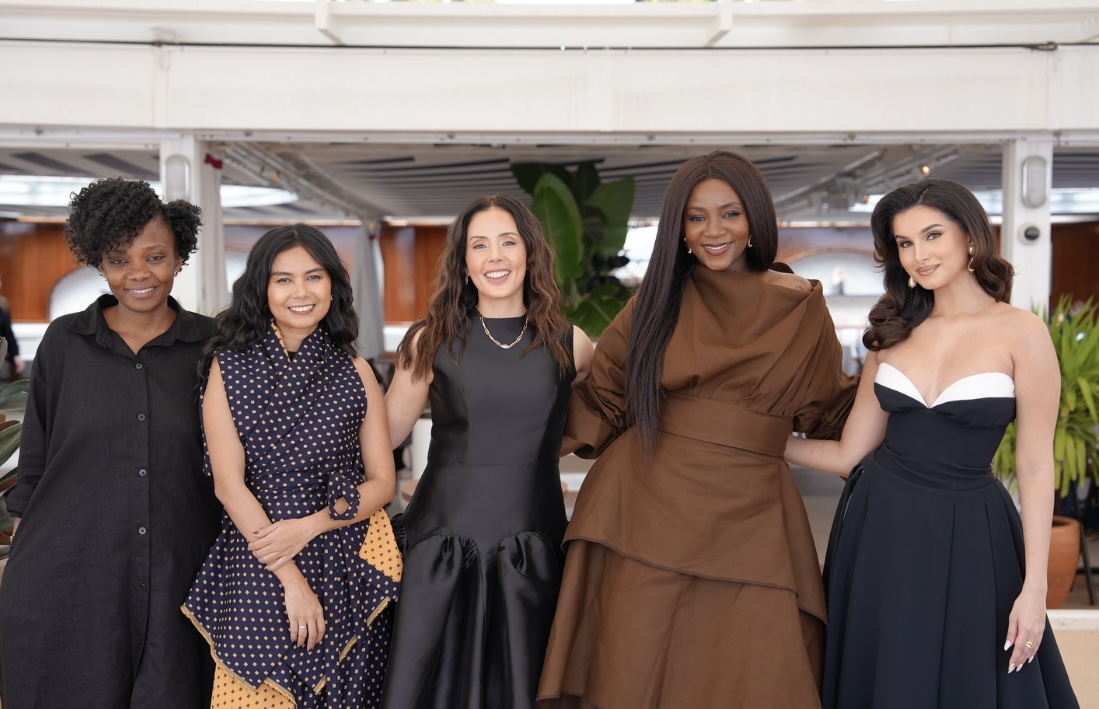
Every year, the Cannes Film Festival delivers unforgettable fashion moments, celebrity headlines, and cinematic prestige. Yet beyond the flash of cameras and luxury premieres, Cannes 2026 revealed something far more important this year, the unstoppable rise of women from Africa, the Arab world, and Asia who are reshaping global storytelling on their own terms.
At the center of that conversation stood the Red Sea Film Foundation and its annual Women in Cinema gala, a platform that continues to spotlight female creatives whose influence now stretches far beyond their home industries.
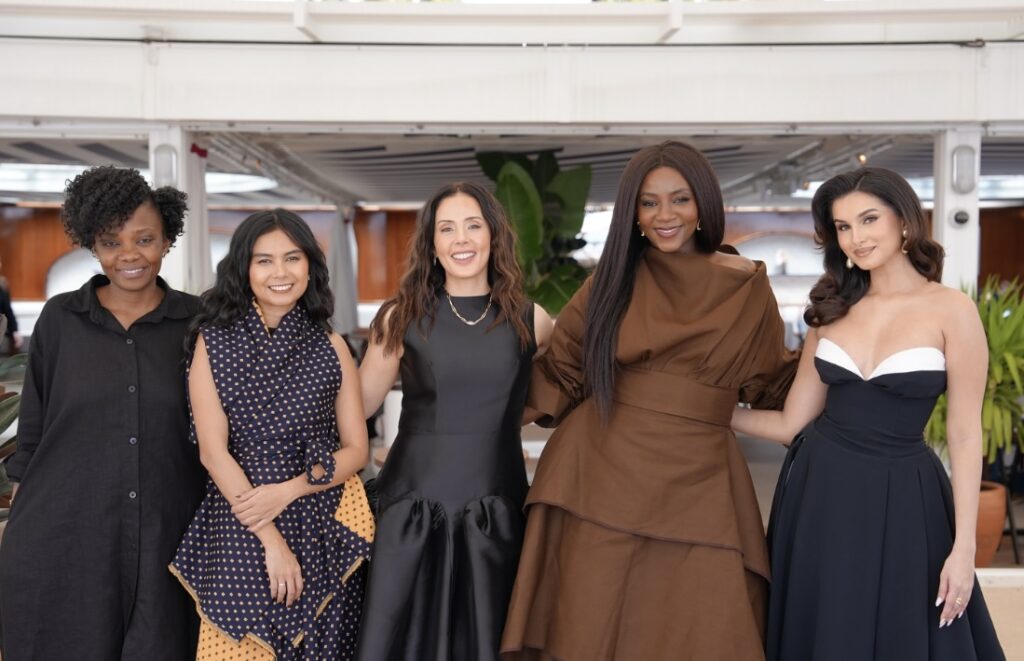
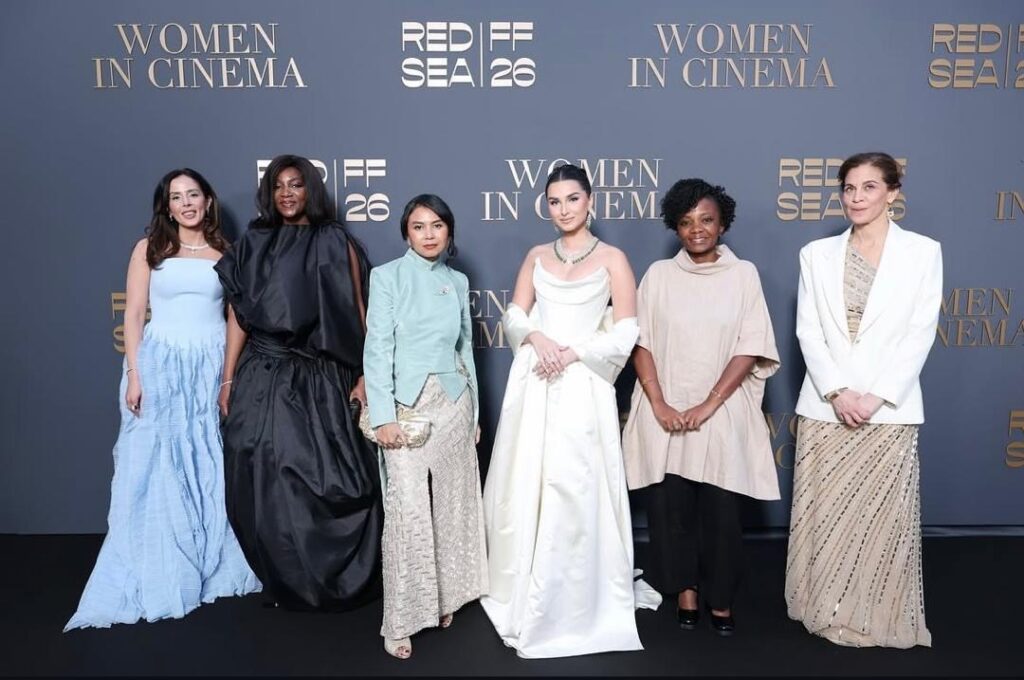
This year’s honorees reflected the changing face of international cinema: Nigerian screen icon Genevieve Nnaji, Moroccan filmmaker Laila Marrakchi, Bollywood actress Tara Sutaria, Saudi actress Aixa Kay, Rwandan filmmaker Marie-Clémentine Dusabejambo, and acclaimed Indonesian director Kamila Andini.
Together, they represented more than talent. They represented a shift in power.
For years, Hollywood and Europe largely controlled which stories reached global audiences. African cinema often fought for visibility. Arab filmmakers struggled against stereotypes. Asian creatives faced pressure to fit into Western expectations. Today, that landscape is changing rapidly, and the women honored at Cannes are among the driving forces behind that transformation.
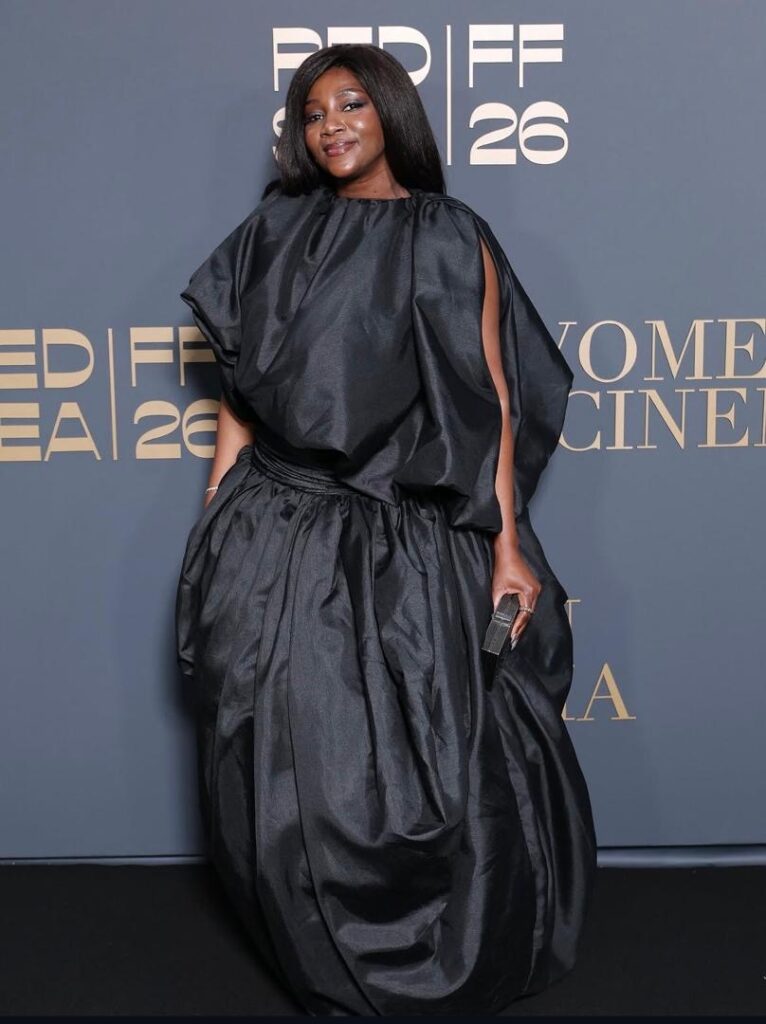
The significance of Genevieve Nnaji’s presence cannot be overstated. Long before streaming platforms discovered Africa’s commercial value, Genevieve Nnaji helped push Nollywood into international conversations through consistency, cultural pride, and creative ambition. Her directorial debut, Lionheart, became the first Nigerian film acquired by Netflix and introduced millions of viewers to a modern African story told without apology or Western validation.
That moment changed perception. More importantly, it changed access.
Today, Nollywood no longer operates at the edge of global entertainment. It sits inside the conversation. Cannes 2026 confirmed that reality once again.
Indian actress Tara Sutaria also embodied the modern evolution of international entertainment. Unlike many traditional film stars, Tara Sutaria built her artistry through multiple disciplines including music, ballet, theatre, and cinema. That versatility has become part of her appeal as Indian talent gains stronger global recognition.

Her critically praised performance in Apurva showcased emotional intensity and the growing demand for female-led narratives in mainstream cinema. At the same time, anticipation surrounding her upcoming film Toxic reflects Bollywood’s expanding international influence.
Saudi actress Aixa Kay represented another emerging force from the Middle East.

Her work across Saudi and Canadian productions reflects the growing confidence of Saudi Arabia’s entertainment industry as it invests heavily in film, television, and creative talent. Projects like Norah and popular series including Almarsa have helped establish her as one of the region’s rising stars.
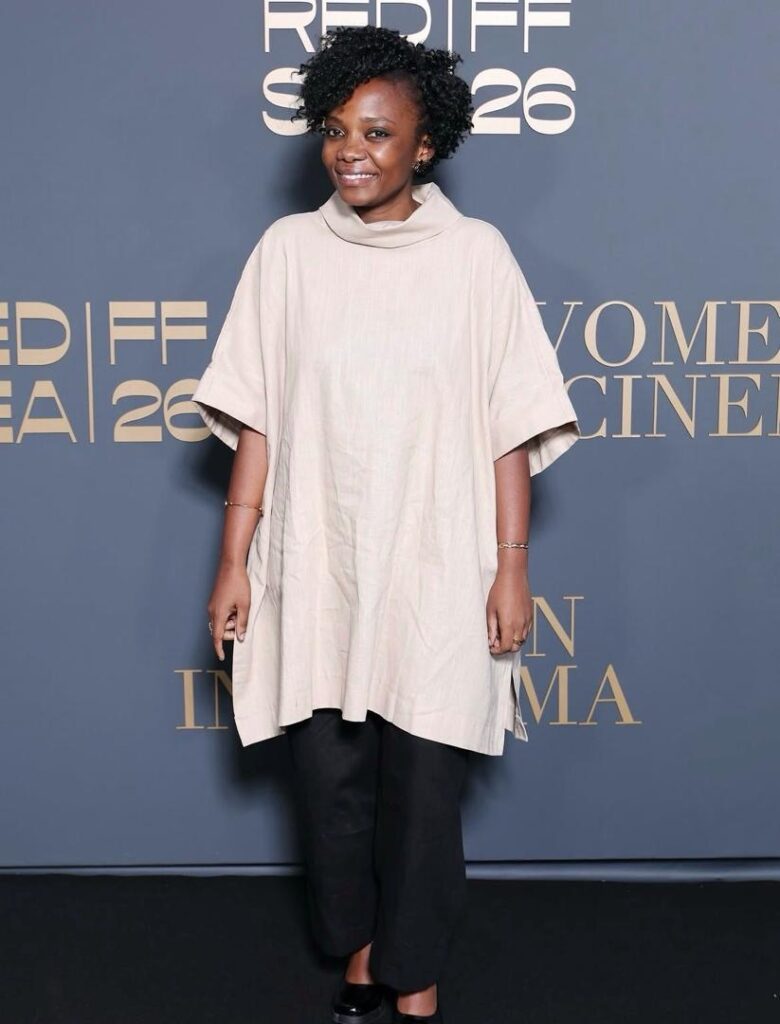
Meanwhile, Marie-Clémentine Dusabejambo’s journey from Rwanda to Cannes carried profound emotional weight. Beginning her filmmaking career through local creative collectives, she steadily built a reputation for telling deeply human stories rooted in African experiences. Her early short film Lyiza earned international recognition at Tribeca before winning awards at the Carthage Film Festival.
Now, her first feature film Ben’Imana enters Cannes 2026 as an official selection in Un Certain Regard, another major milestone for East African cinema.
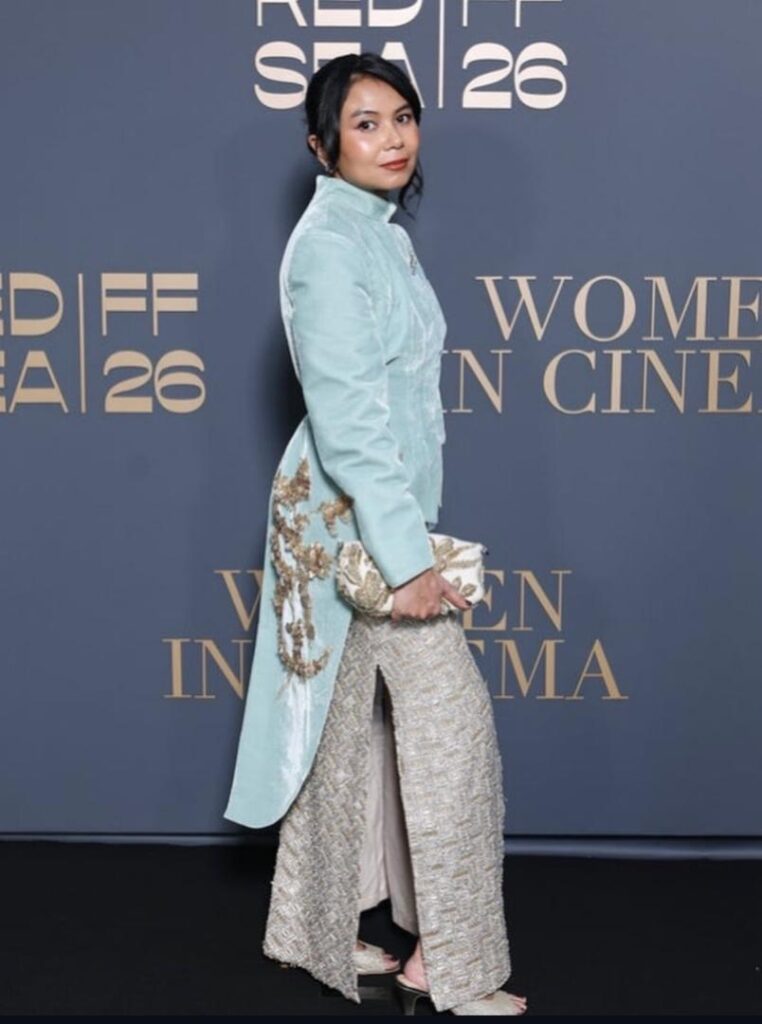
Indonesian filmmaker Kamila Andini respected across international film circles. Through films like The Seen and Unseen and Yuni, Andini has consistently explored identity, womanhood, family, and tradition with extraordinary emotional sensitivity.
Her upcoming film Four Seasons in Java now arrives with growing global anticipation as audiences increasingly embrace authentic regional storytelling.

Moroccan director Laila Marrakchi brought another layer of artistic depth to the Cannes conversation. Raised in Casablanca before moving to Paris at 18, Marrakchi has spent years building a career that bridges cultures while staying rooted in North African identity. Her breakout film Marockchallenged social norms and introduced international audiences to a different side of Moroccan society.
Now, with her latest project Strawberries premiering at Cannes, Marrakchi continues to demonstrate how Arab filmmakers are expanding the boundaries of global cinema.
What makes this year’s Women in Cinema event especially important is not simply representation. The world has moved beyond symbolic inclusion. Today, audiences want authenticity. They want stories shaped by lived experiences rather than industry formulas.
That demand explains why African, Arab, and Asian cinema continues gaining global momentum.
Streaming platforms, international festivals, and production companies are now investing more heavily in diverse narratives because viewers are responding to them emotionally and commercially. However, behind that success are women who fought for years to be taken seriously in industries historically dominated by men.
Cannes 2026 reminded the world that these women are no longer emerging voices. They are influential architects of cinema’s future.
And perhaps that is the most powerful image Cannes delivered this year.
Not the red carpets.
Not the luxury fashion.
But the sight of women from Africa, Asia, and the Arab world standing confidently at the center of global cinema, finally receiving the attention they have long deserved.




- Nicola Peltz Beckham’s Beverly Hills Home Goes Minimal

- How Neesa Atelier is Weaving Ghanaian and Malian Influences Into Contemporary Luxury Fashion with “Dust & Raffia” Capsule Collection

- AMVCA 2026 Fashion Takes Over the Internet as African Designers and Celebrities Deliver Stunning Masterpieces

- Nana Akua Addo Breaks Internet With Architectural AMVCA 2026 Dress

- Osas Ighodaro AMVCA 2026 Look in Futuristic Veekee James Masterpiece