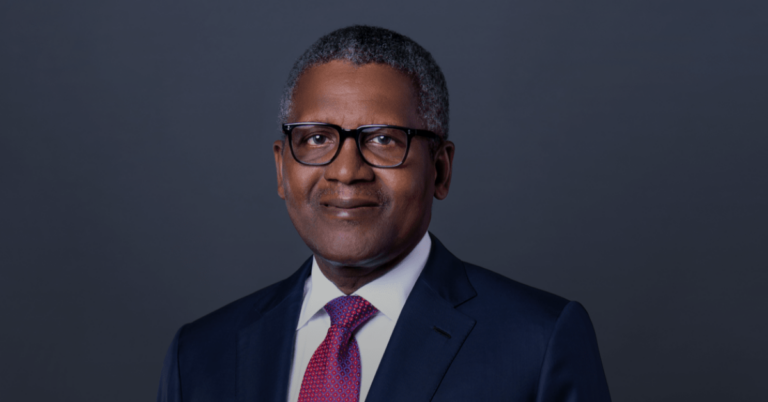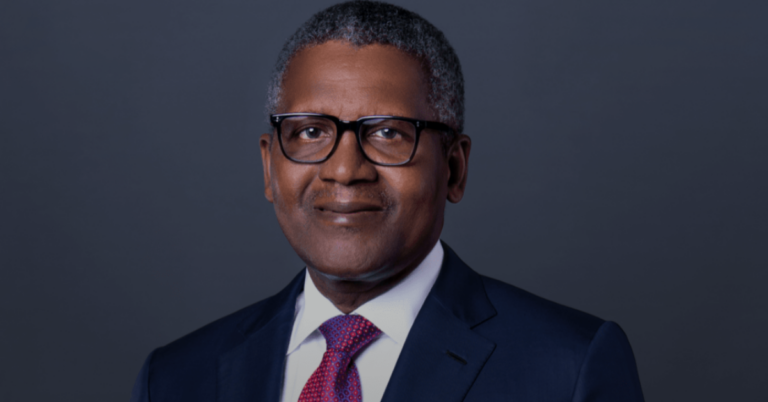
Abdul Samad Rabiu has climbed to become Africa’s second-richest individual after his fortune surged to $18.6 billion, marking one of the biggest wealth gains recorded globally this year.
The Nigerian businessman, who founded and leads BUA Group, overtook South African billionaire Johann Rupert following a strong rise in the value of his industrial businesses. Bloomberg Billionaires Index ranked Rabiu 138th in the world, while his wealth jumped by about $8.47 billion since the start of 2026.
His latest rise confirms the growing influence of Nigerian business leaders in Africa’s economy. Only a few months ago, Rabiu’s wealth stood at around $15.9 billion, showing how quickly his assets have expanded.
Analysts linked the jump to stronger market valuations across his cement, food processing, sugar, and manufacturing operations. BUA Group has continued to expand its footprint across Nigeria and other African markets, helping to boost investor confidence.
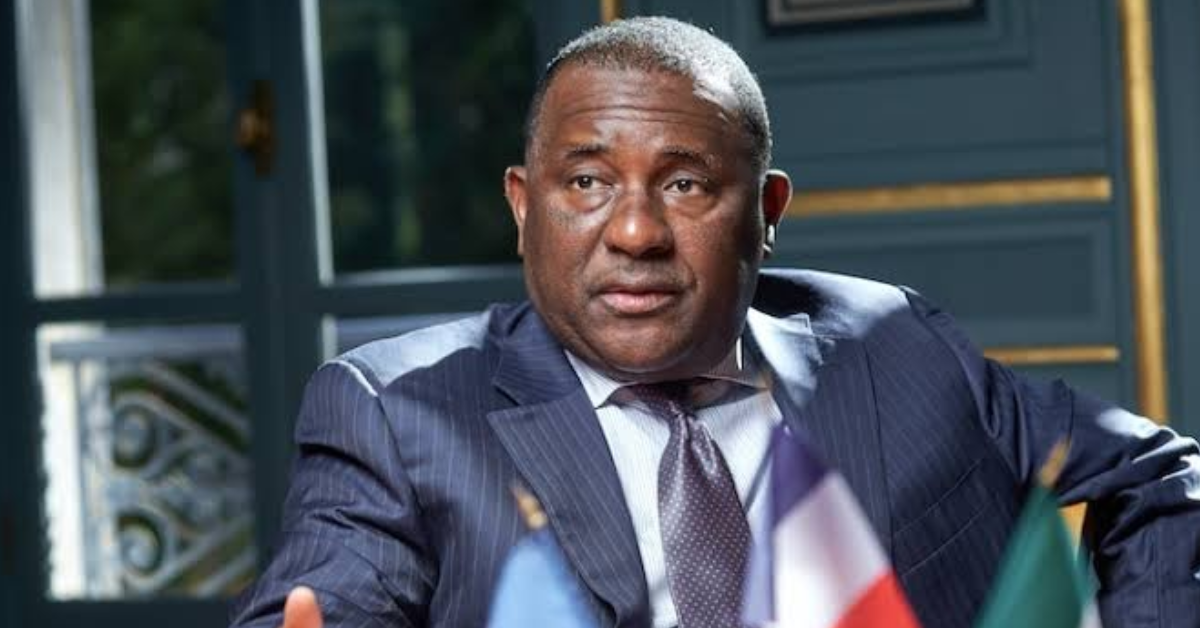
Meanwhile, Johann Rupert slipped to third place in Africa after his fortune dropped to $17.9 billion. Reports showed he lost around $1.76 billion this year, pushing him down to 153rd place globally.
Rabiu has now emerged as Africa’s best-performing billionaire in 2026. His wealth rally reflects strong momentum in industrial sectors, especially construction materials and consumer goods, where demand remains high.
Despite Rabiu’s rise, Aliko Dangote still holds the number one position as Africa’s richest man. Dangote’s fortune currently stands at $34.4 billion after adding about $4.38 billion this year, placing him 66th in the world.
The latest ranking also raised questions after several well-known Nigerian billionaires failed to appear on the Bloomberg global wealth list as of May 7. Names such as Femi Otedola and Mike Adenuga were absent from the published ranking.
Rabiu’s rise signals a major moment for Nigeria’s private sector. It also highlights how homegrown African industrialists are building wealth through manufacturing, infrastructure, and large-scale production instead of relying only on natural resources.
For investors and entrepreneurs, the development sends a clear message: Africa’s next wealth stories may come from industries that solve local needs at scale.




- Beyond the Pages: How Peter Okonkwo Is Building a Global Community for Writers and Creatives

- Lupita Nyong’o Opens Up About Mexico, Spanish and the Experience That Changed Her Life

- Idris Elba & Sabrina Elba Are Changing Lives Through Philanthropy

- Inside Chase Bell’s Global Journey: Music, Culture, and Cross-Continental Influence

- Nigeria’s $15 Trillion Projection Signals Africa’s Economic Power Shift.