For years, the global narrative around Africa has sounded painfully familiar. Poverty. Crisis. Aid. Conflict. The continent has too often appeared in international headlines as a place waiting to be rescued rather than a force shaping the future.
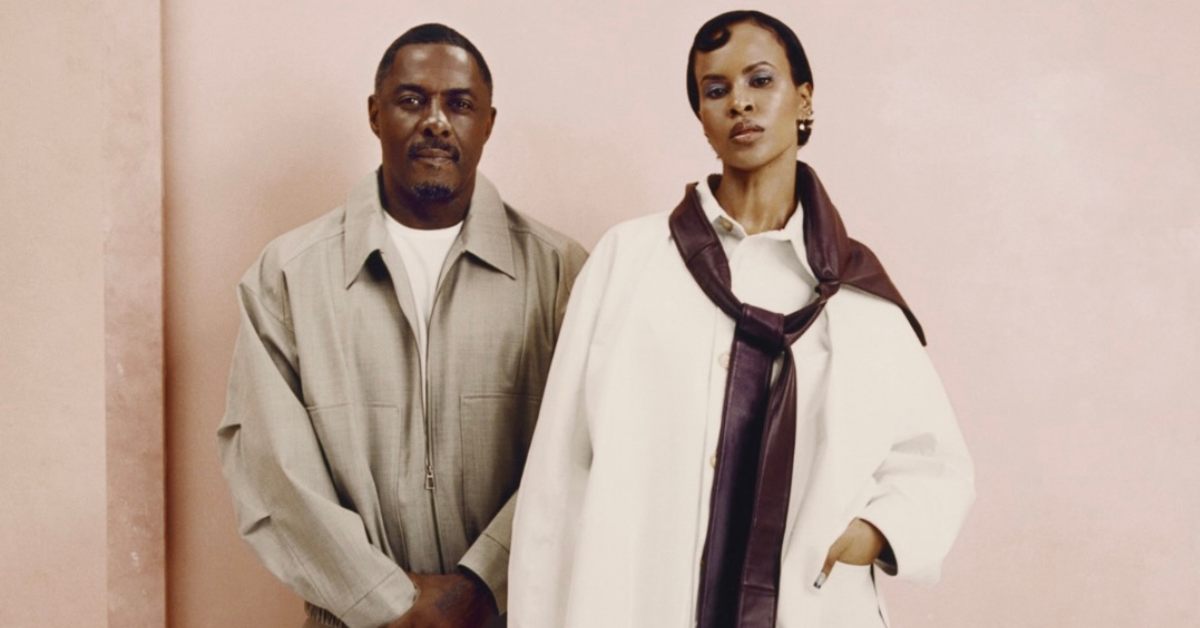
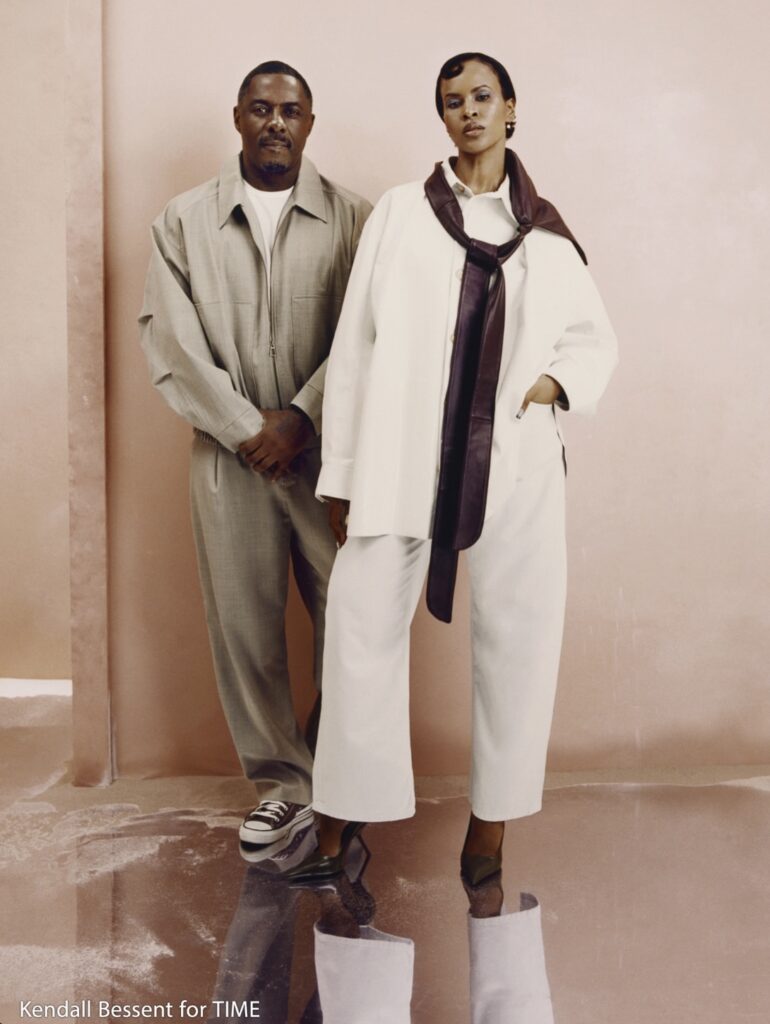
Now, Idris Elba and Sabrina Dhowre Elba are challenging that narrative with a vision rooted in dignity, sustainability, and African-led solutions.
The power couple are not simply attaching their names to charitable causes. Instead, they are building long-term systems designed to create opportunity, restore communities, and shift how the world sees Africa. Through the Elba Hope Foundation, the Elbas are crafting a modern blueprint for philanthropy that prioritizes empowerment over dependency.
At a time when celebrity activism often feels performative, the Elbas have chosen something different. Their work focuses on structural change. Food security. Renewable energy. Youth empowerment. Creative education. Rural investment. Women-led development. These are not glamorous headlines, yet they remain some of the most urgent issues shaping Africa’s future.
For Idris Elba, the mission feels deeply personal.
The actor, celebrated globally for roles in Luther, The Wire, and Mandela: Long Walk to Freedom, grew up watching his father advocate for workers and underrepresented communities in East London. Long before Hollywood recognition arrived, Elba learned the importance of giving a voice to people often ignored by society.
Today, that same philosophy drives his humanitarian work across Africa and the United Kingdom.
The Elba Hope Foundation has already delivered more than one million meals through its Rice for Life initiative while also helping underserved young people enter creative industries through the Creative Futures program. The foundation works closely with marginalized communities, particularly in Sierra Leone, the homeland of Elba’s father.
However, the couple’s influence stretches far beyond charity campaigns.
In the U.K., Elba has emerged as one of the country’s most recognizable advocates against knife crime. His partnership with Prime Minister Keir Starmer helped strengthen national conversations around youth violence and community breakdown.
Yet Elba repeatedly insists the deeper issue is social isolation.
He believes many young people lack mentorship, opportunity, and a sense of belonging. Without those foundations, violence becomes a symptom of something larger. That perspective explains why the Elbas continue investing heavily in programs that create pathways for young people through music, media, theater, and entrepreneurship.
Their Creative Futures initiative, developed alongside The King’s Trust, reflects that philosophy perfectly.
The partnership carries symbolic meaning because the organization once supported Elba himself as a struggling teenager pursuing acting. Years later, the actor now helps create opportunities for a new generation facing similar barriers.Meanwhile, Sabrina Dhowre Elba has become a powerful voice in conversations surrounding women, climate resilience, and African development.
Raised by a mother deeply committed to humanitarian work in Somalia and East Africa, Sabrina developed an early understanding of displacement, survival, and rebuilding communities. Those experiences shaped her commitment to women and girls disproportionately affected by poverty, food insecurity, and environmental instability.
Her advocacy work with farming communities and rural women across Africa continues to influence the foundation’s direction today.
Perhaps the most ambitious symbol of the Elbas’ vision lies on Sherbro Island, where the couple is helping push forward a renewable energy and infrastructure transformation project.
In partnership with Octopus Energy Generation and local stakeholders, the project aims to bring clean energy, water access, connectivity, and economic opportunity to thousands of residents on the island.
The initiative represents more than infrastructure development. It reflects a wider idea the Elbas passionately defend — Africa does not lack potential. Instead, it lacks enough investment in its own ideas, talent, and communities.
That message matters now more than ever.
Africa holds one of the youngest populations in the world. The continent also possesses enormous natural resources, creative industries, entrepreneurial talent, and cultural influence. Yet international conversations still often frame Africa through scarcity instead of opportunity.
The Elbas want to help change that perception.
Rather than positioning themselves as saviors, they describe their role as amplifiers. They listen to local communities, elevate African voices in global rooms, and use their platform to attract attention, partnerships, and investment where it matters most.
Their approach reflects a broader evolution taking place across Africa’s philanthropic and development landscape. Increasingly, African changemakers are demanding collaborative partnerships instead of one-sided aid models. They want ownership. Sustainability. Representation. Long-term solutions.
The Elbas appear to understand that shift clearly.
Even their long-term ambition for the Elba Hope Foundation signals a departure from traditional charity structures. Idris Elba has openly stated he wants the organization to evolve into a think tank capable of advising governments, influencing policy, and contributing directly to global development conversations.
That vision may ultimately become their most powerful contribution.
In a world saturated with celebrity branding, Idris Elba and Sabrina Dhowre Elba are building something far more enduring than image. They are helping redefine modern African philanthropy through action, collaboration, and sustainable impact.
More importantly, they are reminding the world that Africa’s future should never be viewed through the lens of limitation.
It should be viewed through possibility.

- Nicola Peltz Beckham’s Beverly Hills Home Goes Minimal

- How Neesa Atelier is Weaving Ghanaian and Malian Influences Into Contemporary Luxury Fashion with “Dust & Raffia” Capsule Collection

- AMVCA 2026 Fashion Takes Over the Internet as African Designers and Celebrities Deliver Stunning Masterpieces

- Nana Akua Addo Breaks Internet With Architectural AMVCA 2026 Dress

- Osas Ighodaro AMVCA 2026 Look in Futuristic Veekee James Masterpiece