Saudi Arabia is accelerating a bold shift toward a tokenized economy designed to shield its vast wealth from global financial shocks while building a new digital financial backbone for the future. The strategy is being led through droppRWA, which has now secured $12.5 billion in mandates to convert real-world assets into blockchain-based instruments, starting with real estate and expanding into energy and manufacturing.
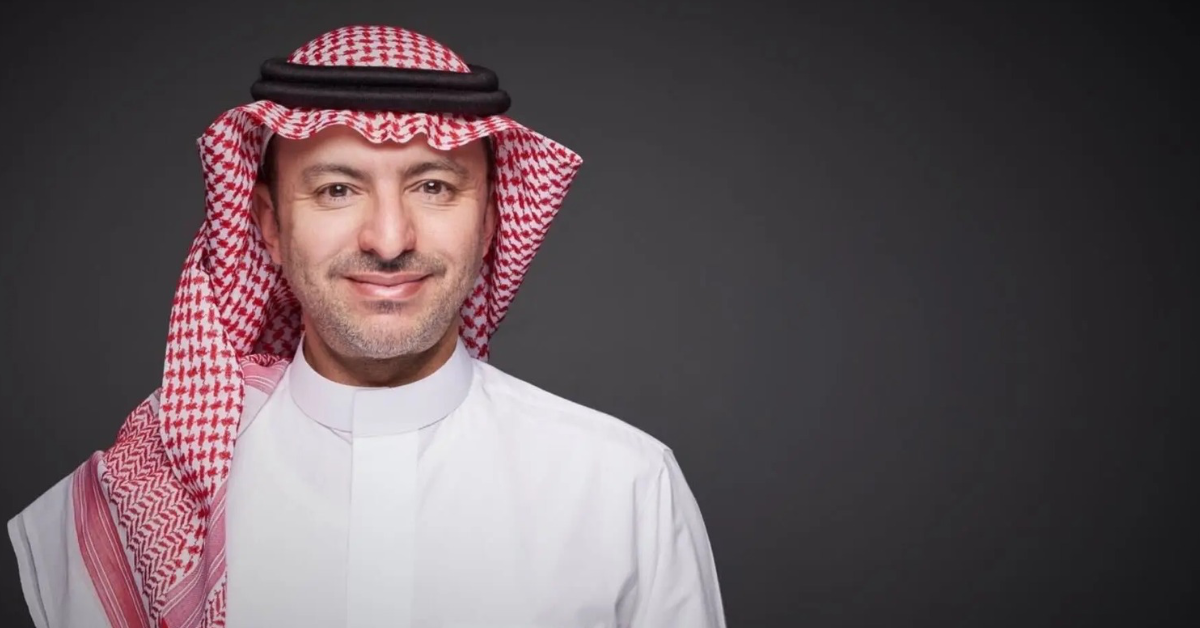
At the center of this transformation is Faisal Monai, widely recognized for designing Saudi Arabia’s modern digital payments infrastructure. He believes the Kingdom is moving toward a sovereign-grade financial system that operates entirely on tokenized rails, with real estate settlement expected to go live using stablecoin infrastructure by late 2026.
Monai argues that tokenization will strengthen economic resilience across Gulf economies. He says it will not replace the U.S. dollar but will instead create a parallel settlement layer that improves speed, transparency, and certainty during global volatility. He points to Saudi Arabia’s earlier transformation from a cash-heavy society into a digital payments leader as proof that large-scale financial reinvention is possible.
Before SADAD launched in 2004, most bill payments in the Kingdom required physical queues and manual processing. Monai helped redesign that system into a unified digital network connecting banks and billers. Today, that infrastructure supports billions of transactions annually and processes hundreds of billions of dollars in value.
Now, the same architectural approach is being applied to real-world asset tokenization. Monai confirmed that droppRWA has already completed a landmark tokenized property deed transfer, cutting settlement time from days to seconds. This early execution shows how blockchain can convert illiquid real estate into programmable financial assets that move instantly within regulated systems.
The rollout is expected to expand across Saudi Arabia’s multi-trillion-dollar property pipeline, including designated investment zones. It also extends beyond real estate into sectors such as energy, logistics, and industrial production. The goal is to build a unified tokenized infrastructure that supports national wealth management in real time.
Global financial institutions are already competing in the same space. Tokenized U.S. Treasuries recently reached record levels, reflecting growing demand for blockchain-based financial instruments. At the same time, Wall Street players such as major investment banks and asset managers continue expanding their digital asset strategies, reinforcing the momentum behind tokenization.
Monai maintains that the real value of tokenization lies in certainty. He explains that in unstable markets, investors prioritize guaranteed ownership, fast settlement, and reduced friction. Tokenization, he argues, delivers these conditions by embedding legal ownership into digital infrastructure while maintaining full regulatory compliance.
He also links the model to broader geopolitical shifts. During recent regional tensions, crypto markets became one of the few continuously operating financial systems. Monai says this highlights the importance of always-on settlement infrastructure that remains functional even when traditional markets close.
However, he dismisses the idea of full “de-dollarization” in the Gulf. Instead, he describes a “multi-rail” financial future where the dollar remains dominant while new sovereign systems operate alongside it. This hybrid model allows governments to maintain stability while increasing financial independence and speed.
Stablecoins sit at the core of this new structure. Monai warns against turning them into yield-seeking instruments, arguing that their primary purpose should remain settlement certainty. Under plans coordinated with Saudi regulators, stablecoin-based real estate settlement is expected to launch by 2026, enabling near-instant cross-border property transactions within a controlled legal framework.
By 2030, Monai predicts that Saudi Arabia will demonstrate a fully functional national tokenized financial system that other G20 economies may replicate. He believes the Kingdom is not just adopting blockchain but building a new financial operating system for the next century.
In his view, the shift is already irreversible. The journey from early digital payment infrastructure to full asset tokenization forms a continuous evolution of financial modernization. As he puts it, the question is no longer whether tokenization works, but how quickly nations can adopt it.


- Burna Boy Becomes First Nigerian Artiste to Hit 4 Billion YouTube Views

- Serena Williams’ Nike Jacket Celebrates a Legacy of US Open Dominance

- Tanzania to Host the 74th Miss World Festival in May 2027

- Beyoncé Drops Pharrell Track on 20th Anniversary Birthday

- Jay Z Stuns London With Beyoncé Tribute and Fugees Reunion

a