Senegal no longer walk into major tournaments as outsiders hoping for miracles.
The Teranga Lions now carry the weight of genuine expectation, and for many football fans across Africa, that expectation feels justified.
Under coach Pape Thiaw, Senegal have embraced a fearless mentality ahead of the 2026 FIFA World Cup.
When Thiaw declared earlier this year that he believes Senegal can win the World Cup, the football world did not laugh.
Instead, many supporters and analysts agreed that Africa’s most consistent national team finally looks ready to challenge football’s traditional superpowers on the biggest stage.
That confidence did not appear overnight. Senegal spent the last decade building one of the strongest football structures on the African continent.
The country consistently dominates at the Africa Cup of Nations while producing elite-level players who now compete across Europe’s top leagues.
For Senegal’s golden generation, the next World Cup could define an era.
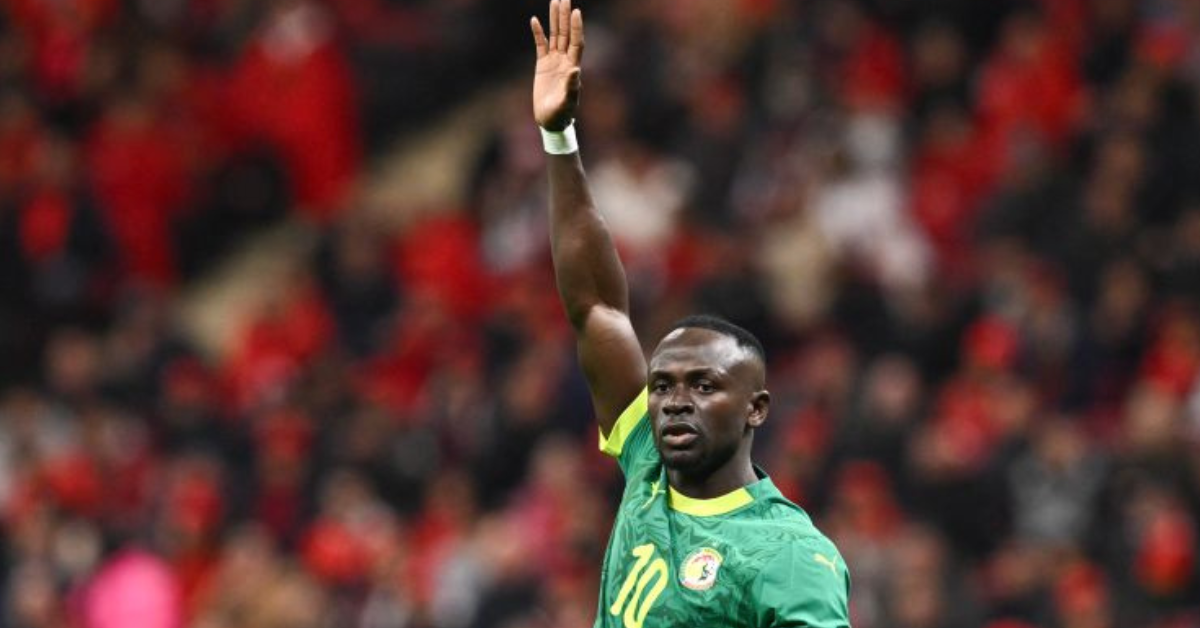
Players like Sadio Mane, Kalidou Koulibaly, Idrissa Gana Gueye and Edouard Mendy have already transformed Senegal into an African football powerhouse.
However, the dream now stretches beyond continental dominance. The target is global success at the 2026 FIFA World Cup in North America.
Senegal’s recent World Cup exits still haunt supporters. In 2018, the team became the first nation eliminated from the tournament through FIFA’s fair-play rule after receiving more yellow cards than Japan.
Four years later in Qatar, Senegal reached the knockout stage despite missing Mane through injury before eventually losing to England.
Even so, belief inside the camp continues to grow stronger. Senegal’s squad now combines experienced leaders with fearless young talent emerging from local academies and Europe’s diaspora communities.
The country’s football production line remains one of the most impressive stories in African sports.
Despite having a population far smaller than Nigeria, Egypt or Ethiopia, Senegal continues producing world-class footballers at a remarkable rate.
Modern academies like Generation Foot, Diambars FC, Dakar Sacre Coeur and Casa Sports have reshaped youth football development in the country.
These academies offer advanced facilities, education programs, accommodation and professional training environments designed to prepare players for European football.
Several of Senegal’s biggest stars emerged directly from those systems before securing moves abroad.
FC Metz developed one of the most influential partnerships through its long-standing relationship with Generation Foot.
That collaboration helped launch the careers of players such as Mane, Ismaila Sarr and Pape Matar Sarr into European football.
Still, Senegal’s football success also exposes deeper economic tensions inside African football development.
Critics argue that European clubs benefit far more financially from African talent than the local academies that nurture those players during their early years.
Several Senegalese academy graduates have generated hundreds of millions of euros in transfer fees throughout their careers.
Yet local clubs often receive only a tiny fraction of that money. Many football observers across Africa now describe the imbalance as one of the biggest structural problems in the modern game.
The issue became even more visible during Nicolas Jackson’s transfer from Villarreal CF to Chelsea FC.
His former academy, Casa Sports, reportedly faced administrative complications while attempting to secure FIFA solidarity payments connected to the transfer.
Despite the financial challenges, Senegal’s football system continues evolving rapidly.
The federation now focuses heavily on recruiting talented players from the Senegalese diaspora before other countries secure their international allegiance.
That strategy already delivers major results. Rising stars like Ibrahim Mbaye and Mamadou Sarr recently committed their futures to Senegal despite representing France at youth level.
The federation understands that identity matters just as much as sporting opportunity.
Many diaspora players grow up in Senegalese households across France and England where language, culture and family traditions maintain strong emotional ties to the country.
At the same time, Senegal’s growing reputation makes the national project far more attractive than it once was.
Young footballers now see Senegal as a team capable of competing deep into major tournaments rather than simply participating.
That combination of elite academies, diaspora recruitment and international ambition explains why Senegal enters the 2026 World Cup cycle with enormous confidence.
The squad blends seasoned veterans with emerging teenage stars, creating one of Africa’s most balanced national teams.
For millions of African football fans, Senegal’s rise represents something bigger than sport.
The Teranga Lions now symbolize the possibility that an African nation can realistically compete with football’s global elite on equal terms.
If Senegal finally delivers a historic World Cup run in 2026, the journey will reflect years of investment, talent development and cultural identity.
Yet it will also force football authorities to confront the deeper financial inequalities that continue shaping African football behind the scenes.

- Beyoncé, Tina Knowles and Kelly Rowland Open Houston Housing Project

- Taylor Swift Set to Perform at Star Studded Academy Museum Gala

- Michael Jackson’s Iconic Thriller Jacket and Moonwalk Glove Head to Auction
- Burna Boy Becomes First Nigerian Artiste to Hit 4 Billion YouTube Views

- Serena Williams’ Nike Jacket Celebrates a Legacy of US Open Dominance