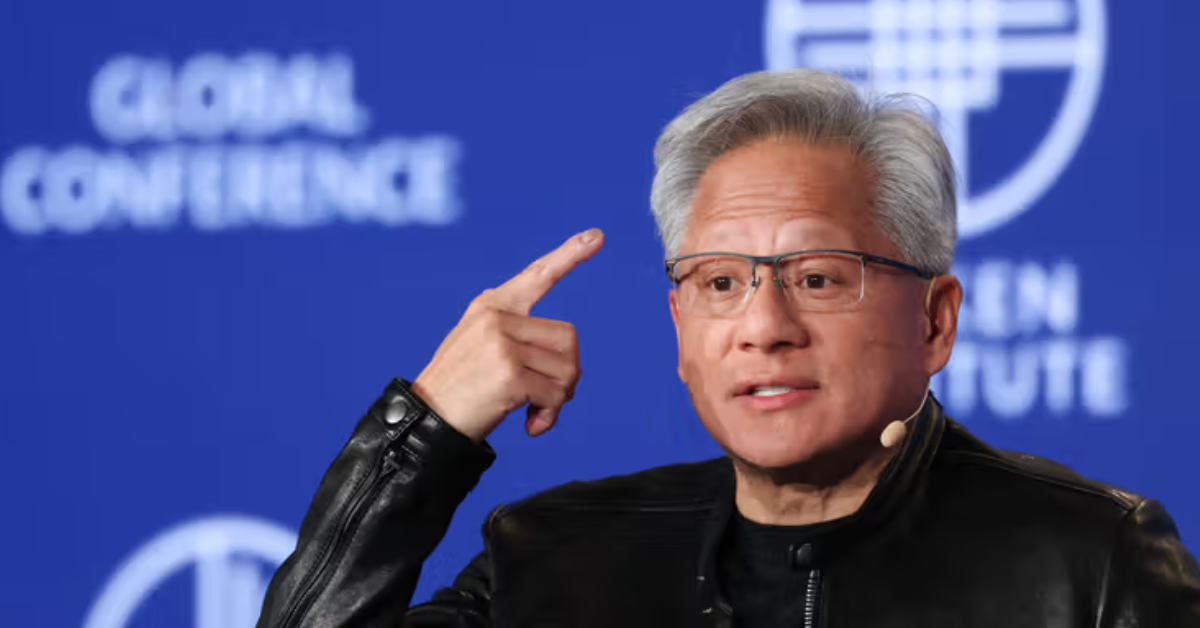
Nvidia CEO Jensen Huang has sparked global conversation after saying parents should stop worrying about what their children study in the age of artificial intelligence.
He said the world is moving too fast for fixed “safe” academic paths.
Instead, he urged students to focus on learning how to use AI as a tool that strengthens creativity, thinking, and purpose.
Huang explained that AI will automate many routine tasks, but it will also push humans toward deeper and more meaningful work.
He stressed that this shift will not reduce human value. It will expand it.
He pointed to storytelling, journalism, design, and the arts as areas that will stay important.
According to him, AI may generate content, but humans still lead in meaning, emotion, and connection.
He also said strong interviewers and communicators stand out because they stay present, listen well, and respond in real time. These skills, he noted, cannot be replaced by machines.
Huang added that creativity will matter even more in the AI era. He referenced the Japanese idea of “wabi-sabi,” which values imperfection and authenticity.
He suggested that these human traits will become more valuable as AI output grows more perfect.
He encouraged students to ask a simple question in everything they do: how can AI improve my learning, my craft, and my impact?
He also compared the AI shift to earlier technological revolutions like personal computers and smartphones. He said those changes did not make people lazy. Instead, they pushed humans to aim higher.
Huang also pushed back against fears that AI will reduce intelligence. He said technology usually expands human ambition rather than shrinking it.
As tasks get automated, people gain more time to focus on complex and creative work.
He described a job as a “basket of tasks.” Some tasks will disappear, he said, but new and harder tasks will emerge. This shift, he believes, will redefine education and career paths worldwide.
Other global thinkers like Peter Diamandis and Scott Galloway have echoed similar views.
They argue that curiosity, adaptability, communication, and storytelling will define success in the AI economy.




- Dangote Refinery Nears Full Gasoline Production as Nigeria Seeks Fuel Market Stability

- Zimbabwe’s $1B Gold Mine Signals a New Mining Power Shift

- Dangote Refinery Targets Global Dominance With Massive Expansion

- Lagos State Ministry of Commerce, Cooperatives, Trade & Investment Officially Endorses African Entrepreneurship & Business Summit (AEBS) 2026

- Saudi Arabia $12.5B Tokenization Push Reshapes Global Finance