Italy has stepped into the long running Nile water dispute between Egypt and Ethiopia, offering to help broker an agreement over the Grand Ethiopian Renaissance Dam as diplomatic efforts enter another critical phase.
Italian Foreign Minister Antonio Tajani made the offer following talks with Egyptian Foreign Minister Badr Abdelatty. Tajani said Rome was prepared to facilitate dialogue if both Cairo and Addis Ababa agreed to its involvement.
He also stressed that any settlement should comply with international law and address Egypt’s concerns over its access to Nile waters.For Italy, the move creates an opportunity to leverage its relationships with both countries while expanding Rome’s broader economic and diplomatic engagement across Africa.
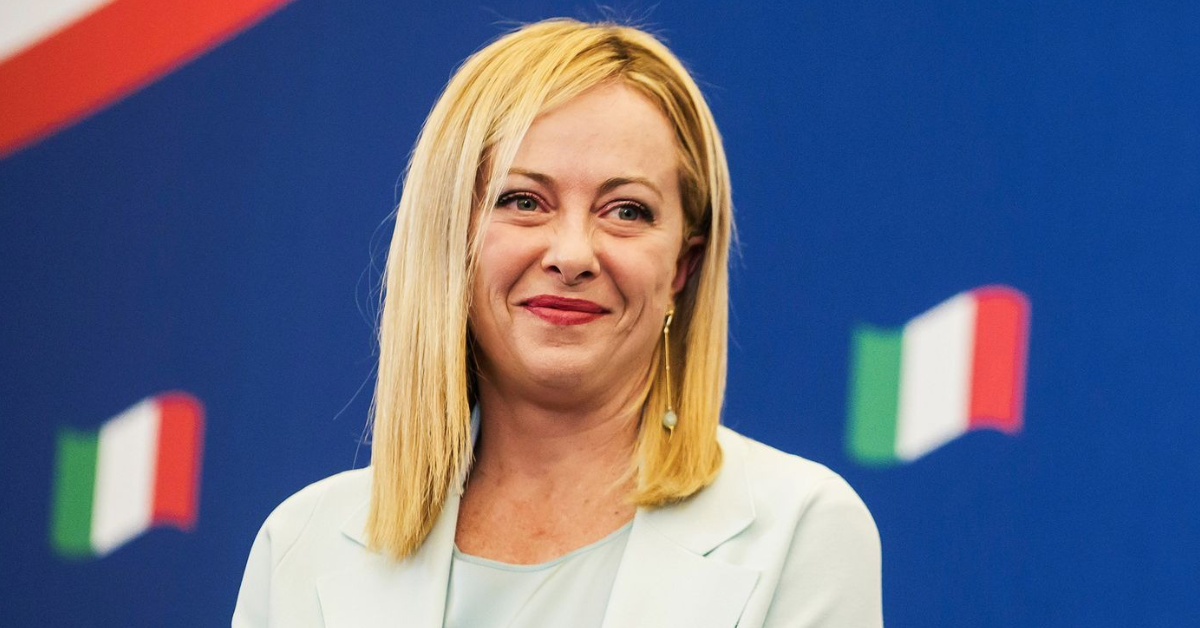
Italy Seeks a Role in the Nile Dispute Prime Minister Giorgia Meloni’s government has developed increasingly strong ties across Africa through its Mattei Plan, an initiative designed to deepen economic cooperation between Italy and African countries.Italy already has significant interests in both Egypt and Ethiopia.
Rome backed Ethiopia with a €70 million concessional loan and a €10 million grant. Meanwhile, bilateral trade between Italy and Egypt reached €5.9 billion in 2025
Italy also has a direct connection to Ethiopia’s controversial dam project.
Italian construction company Webuild served as the main contractor for the Grand Ethiopian Renaissance Dam, commonly known as GERD.Ethiopia inaugurated the dam in September 2025 after construction began in 2011.
The approximately $5 billion project has an installed generation capacity of about 5,150 megawatts, making it Africa’s largest hydroelectric dam.For Ethiopia, the GERD represents more than an infrastructure project. Addis Ababa views the dam as a critical tool for expanding electricity access, supporting industrialisation and increasing regional power exports.
Egypt Sees Nile Security as an Existential IssueEgypt views the dispute from a very different perspective.The Nile provides about 90 percent of Egypt’s freshwater, making the river central to the country’s agriculture, drinking water supply and economic security.
Cairo has therefore consistently demanded guarantees that the operation of the GERD will not threaten its water supplies.Ethiopia, meanwhile, has maintained that the dam is designed primarily to generate electricity and has defended its right to operate the project while pursuing its development ambitions.
The disagreement has persisted for roughly 15 years, turning the GERD into one of Africa’s most consequential diplomatic disputes.The dispute has also acquired a military dimension.
Ethiopia has strengthened security around the dam with air defence systems and radar equipment. Egypt has repeatedly said it reserves the right to protect its national water security, although Cairo has not formally announced plans to attack the facility.
Another Mediation Attempt After Years of Deadlock Italy is entering an already crowded diplomatic field.The United States previously led negotiations between Egypt, Ethiopia and Sudan, but those talks collapsed in 2020 without producing a lasting agreement.
The African Union subsequently took a leading role, but negotiations also failed to deliver the binding guarantees Egypt has sought.
Washington returned to the issue in January 2026 when President Donald Trump offered to restart mediation efforts aimed at resolving the Nile water dispute.China has also sought to encourage dialogue.
Beijing has repeatedly called on the countries involved to resolve their differences through negotiations and has expressed its willingness to play a constructive role.
During Chinese President Xi Jinping’s September 1 and 2, 2026 state visit to Egypt, Beijing recognised Egypt’s legitimate concerns over protecting its water and food security while urging Nile Basin countries to follow international law.
Italy now faces the difficult task of attempting to succeed where other major powers and regional institutions have struggled.The Business Stakes Are GrowingThe Nile dispute is not simply a diplomatic disagreement between two governments.
Its outcome could have significant implications for energy, agriculture, industrialisation and regional trade across Northeast Africa.Ethiopia wants to use the GERD to increase electricity generation and potentially expand power exports to neighbouring countries.
Egypt wants predictable access to Nile water and safeguards against any operational decisions that could significantly reduce downstream flows.
Sudan also remains an important stakeholder because of its geographic position between Ethiopia and Egypt and its dependence on the Nile system.
For African investors and businesses, the dispute highlights the growing importance of water security and energy infrastructure in the continent’s economic future.
The GERD is capable of reshaping Ethiopia’s energy landscape, while the wider Nile basin remains critical to food production and economic activity across several countries.Meloni’s Africa Strategy Faces a Major Test Italy’s involvement comes at a politically significant moment for Meloni.
Her government has become Italy’s longest serving administration since World War II, while Rome continues to position itself as a stronger European partner for Africa.
The Mattei Plan has placed energy, infrastructure, agriculture, investment and development cooperation at the centre of Italy’s Africa strategy.
Mediating the Nile dispute could give Rome an opportunity to demonstrate that its African engagement extends beyond trade and investment.
But the challenge will be finding common ground between two governments whose positions have remained sharply divided for years.Egypt wants binding guarantees.Ethiopia wants operational flexibility.
Any successful agreement will need to address both priorities while protecting the interests of downstream countries.For Meloni, the Nile dispute could become one of Italy’s most important diplomatic tests in Africa.
For Egypt and Ethiopia, it is a question that goes far beyond diplomacy. It touches water, energy, food security, national sovereignty and the future economic development of the Nile basin.