Africa’s economic integration cannot reach its full potential while young Africans still face significant barriers to moving across their own continent.
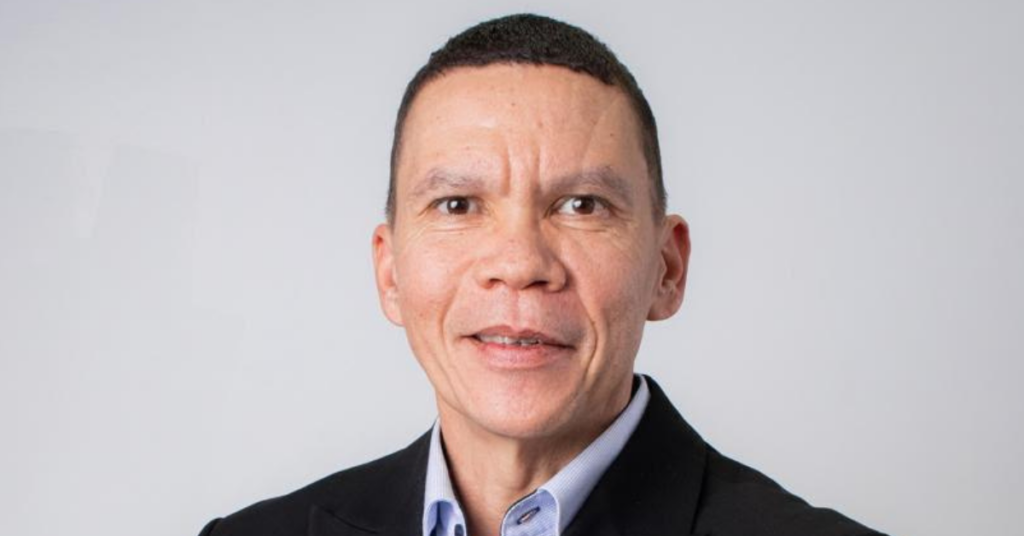
That was the warning from Wamkele Mene, Secretary General of the African Continental Free Trade Area Secretariat, who called for urgent action on the free movement of people across Africa.
Wamkele Mene challenged African leaders to confront what he described as an anomaly in the continent’s integration agenda. According to him, only four of Africa’s 55 countries had ratified the Protocol on Free Movement of Persons at the time of his remarks, highlighting the gap between Africa’s ambitions for integration and the reality facing its citizens.
“It cannot be that over 90% of Africans require a visa to visit another African country,” Mene said, stressing the need for stronger political action to address restrictions on movement.
He called on African countries to mobilise their heads of state and place the free movement protocol higher on the African Union’s agenda. For him, the issue is particularly important for Africa’s young population.
Young entrepreneurs, professionals, students and skilled workers need to be able to move across borders if the continent is serious about building a truly integrated economy.
Wamkele Mene also pointed to what he sees as a striking imbalance in Africa’s current mobility landscape.
Young Europeans can often move across African countries more easily than many Africans can move within the continent.
“We’ve got to correct this anomaly,” he said.
Restrictions on movement can affect trade, investment, employment, entrepreneurship and access to opportunities.
For businesses operating across multiple African markets, the ability to move people efficiently is essential.
A more integrated labour market could also help companies access specialised skills while giving young Africans greater opportunities to work, build businesses and collaborate beyond their home countries.
He also highlighted another major obstacle to continental integration: the high cost of travel.
Even when visa restrictions are not an issue, expensive airfares, limited connectivity and costly transportation can make intra African travel inaccessible to many young people.
He called for greater efforts to reduce the cost of air travel and improve connectivity across the continent.
Africa has ambitious plans to increase intra African trade through the African Continental Free Trade Area, but trade integration requires more than agreements and tariffs.
People need to be able to move.
Goods need efficient transport networks.
Businesses need affordable connections between markets.
And entrepreneurs need access to customers, partners, investors and talent across borders.
Wamkele Mene said Africa must move beyond celebrating the vision of integration and begin implementing the commitments required to make it work.
“It’s not adequate and sufficient for all of us to say that we are inspired,” he said.
The message is particularly relevant as African governments seek to position young people at the centre of the continent’s economic transformation.
Africa has the world’s youngest population, and its future growth will depend heavily on whether young Africans can participate fully in regional markets.
That means making it easier to travel, trade, work, invest and build businesses across borders.
The free movement of people is therefore not simply a migration policy issue. It is an economic development issue.
For Africa’s entrepreneurs and investors, the question is increasingly clear: How can the continent build one integrated market if its people cannot move freely within it?
The answer will depend on whether African governments can turn political commitments into practical reforms that make movement across the continent faster, cheaper and more accessible.