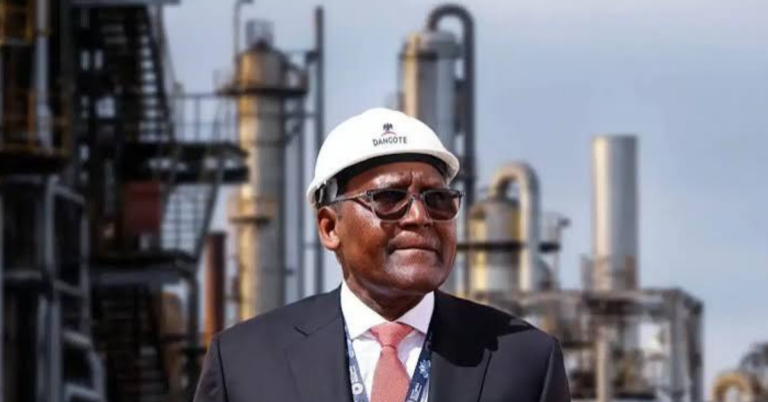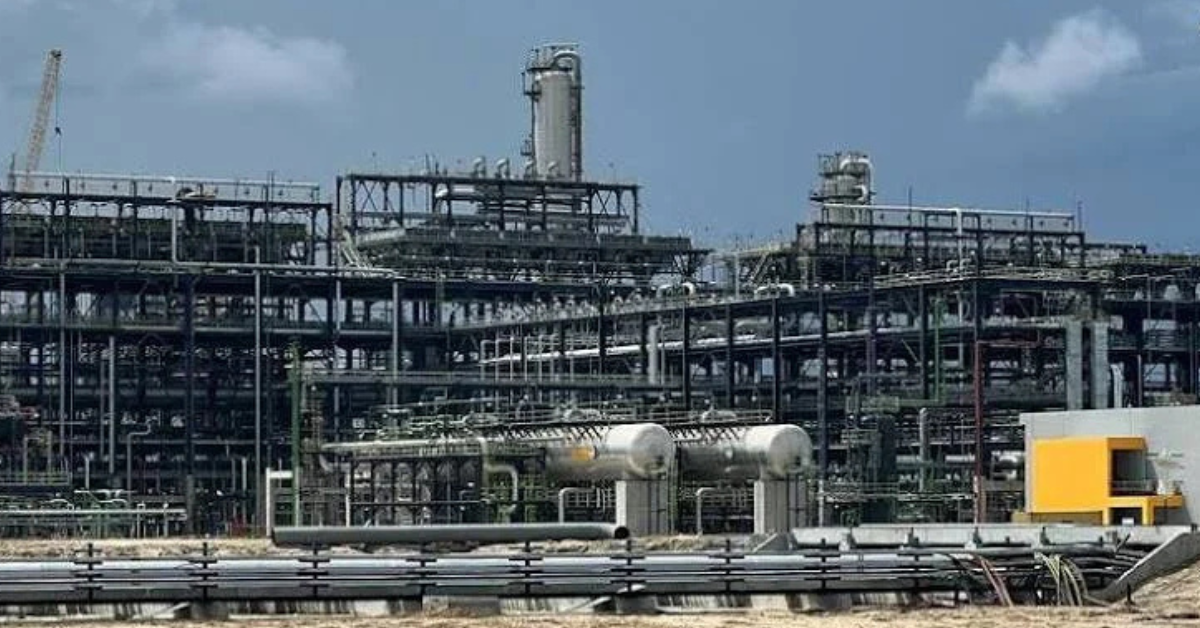
The Dangote Petroleum Refinery is expanding its free petroleum products delivery initiative to four additional Nigerian states, a move aimed at cutting distribution costs for independent petroleum marketers and creating more room for lower petrol prices.
The new locations are Kano, Imo, Anambra and Nasarawa, expanding an initiative that initially covered Lagos, Ogun, Rivers, Kaduna, Abuja and Delta.
The strategy comes as Nigeria’s downstream petroleum market adjusts to a growing domestic refining base and a changing cost structure following the expansion of local refining capacity.
Cutting the cost of moving fuel
For petroleum marketers, the cost of getting products from a refinery to retail markets can significantly influence the final pump price.
Long-distance transportation adds expenses ranging from haulage and vehicle operations to driver costs, insurance, road risks and other logistics.
By absorbing delivery costs, Dangote Refinery is effectively removing part of that burden from marketers supplying markets located far from the refinery.
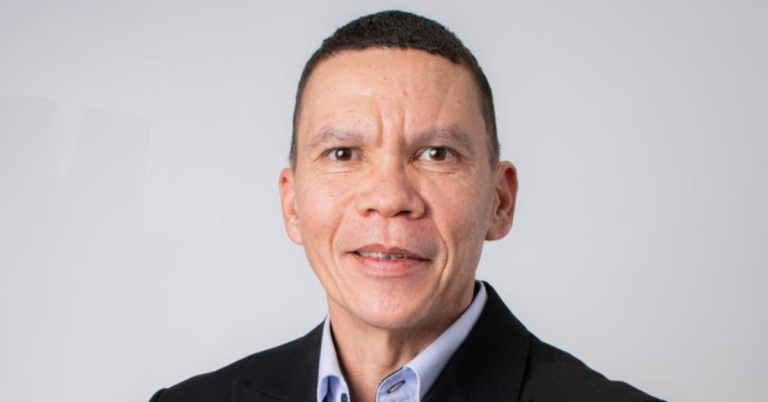
Fatima Aliko Dangote, Group Executive Director, Commercial Operations, Oil & Gas, WAEP and Fertiliser at Dangote Industries Limited, said the benefits of domestic refining should extend beyond the refinery itself.
She said the initiative is designed to make fuel distribution more efficient, reduce avoidable costs and create room for savings to move through the value chain to consumers.
The broader objective is straightforward: lower distribution costs should give marketers greater flexibility to compete on retail prices.
IPMAN welcomes the expansion
The Independent Petroleum Marketers Association of Nigeria (IPMAN) welcomed the expansion, describing the initiative as a potential relief for independent marketers facing financial and logistical pressures.
Chinedu Ukadike, National Publicity Secretary and Public Relations Officer of IPMAN, said marketers can sometimes commit substantial funds to purchasing petroleum products only to wait for extended periods before their orders are loaded and transported.
That delay can tie up working capital and place additional pressure on businesses already operating in a cost-sensitive market.
According to Ukadike, a more streamlined delivery arrangement could reduce the period marketers’ funds remain locked up, improve cash flow and allow businesses to deploy capital more efficiently.
What it means for Nigeria’s fuel market
The initiative could have implications beyond transportation costs.
Moving petroleum products closer to destination markets can reduce the operational risks associated with transporting large volumes over long distances while improving the efficiency of the downstream supply chain.
For consumers, the potential benefit lies in whether these savings are ultimately reflected in pump prices.
That pass-through will depend on several factors, including marketers’ operating costs, market competition and prevailing petroleum prices.
Still, the expansion signals a broader shift in Nigeria’s fuel market: domestic refining is increasingly being paired with efforts to redesign how refined products move across the country.
Domestic refining enters a new phase
The Dangote Petroleum Refinery has a stated capacity of 700,000 barrels per day, making it one of the most significant additions to Nigeria’s refining infrastructure.
Its growing domestic supply footprint is changing the dynamics of a market historically dependent on imported refined petroleum products.
The next challenge is not simply producing fuel locally. It is building a distribution system capable of delivering that fuel efficiently and competitively across Nigeria’s diverse markets.
For independent marketers, lower logistics costs could improve margins and working-capital efficiency.
For consumers, the real measure of success will be whether a more efficient supply chain translates into more competitive petrol prices.
As Dangote Refinery extends its delivery initiative to Kano, Imo, Anambra and Nasarawa, the move places distribution efficiency at the centre of Nigeria’s evolving downstream petroleum story.




- South Korea’s Jailed Ex President Yoon and Wife Receive $2 Million in Prison Funds

- Zambia Secures $1.5 Billion US Health Deal, Separates Minerals Talks

- Tony Elumelu’s Seplat Stake Adds N311.5 Billion in Two Weeks

- Justin Trudeau Launches Media Production Company Hope and Hard Work
- Cristiano Ronaldo’s Cheshire Estate Price Falls to $6.7 Million