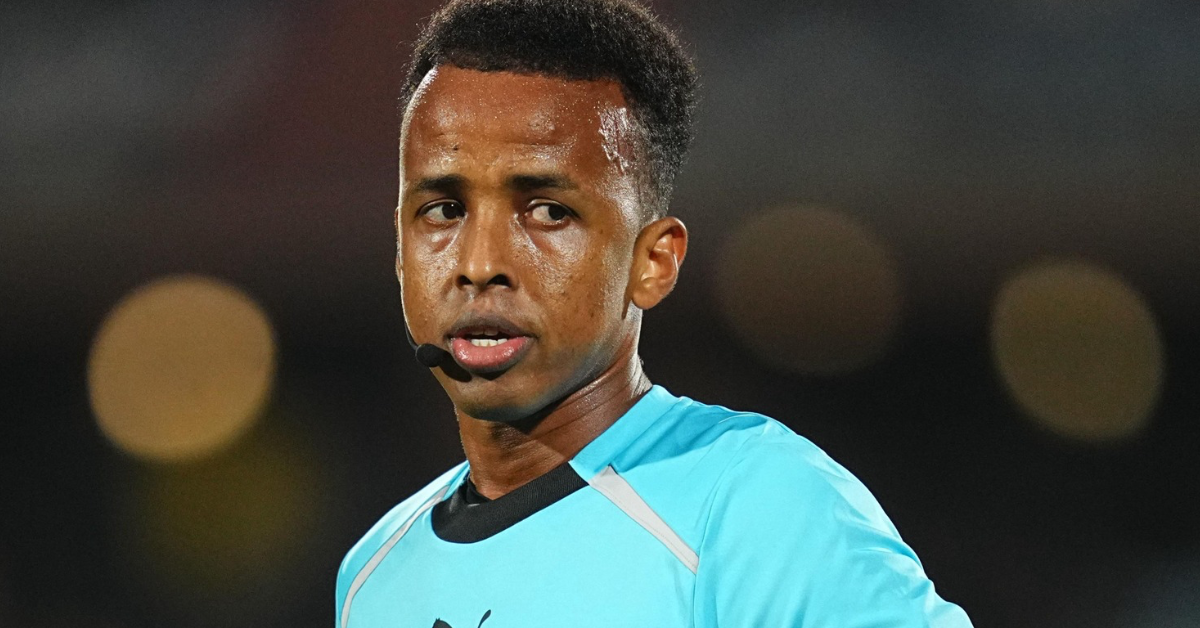
For years, Omar Abdulkadir Artan represented the rise of African football officiating. His journey from Somalia to the highest levels of international football inspired millions across the continent. Today, however, his name sits at the center of one of the biggest controversies surrounding FIFA World Cup 2026.
The celebrated Somali referee returned to Mogadishu to a hero’s welcome after U.S. authorities reportedly denied him entry despite holding valid travel documentation. What should have been a historic milestone for Somalia instead ignited a global debate about immigration policies, fairness, and the responsibilities of nations hosting major international sporting events.
Artan was expected to become the first Somali referee to officiate at a FIFA World Cup. Across Africa, football fans viewed his appointment as a breakthrough moment. His selection symbolized progress, perseverance, and growing African representation on football’s biggest stage.
Instead of preparing for World Cup matches, Artan found himself at the center of an international storm.
Reports indicate that U.S. border officials blocked his entry over what authorities described as vetting concerns linked to alleged associations with individuals under terrorism-related investigations. The decision immediately triggered strong reactions from political leaders, sports organizations, and football supporters worldwide.
Back home in Somalia, the response looked very different.
Thousands of supporters celebrated Artan’s return, transforming what many expected to be a disappointing homecoming into a powerful display of national pride. Images and videos from Mogadishu quickly spread across social media, with many Somalis describing him as a symbol of resilience and achievement.
The controversy has also amplified discussions about Africa’s place in global sports governance.
As CAF Referee of the Year 2025, Artan earned widespread recognition for his professionalism, consistency, and leadership. His inclusion on FIFA’s officiating roster reflected years of dedication and excellence. Many observers therefore questioned how a referee selected for football’s most prestigious tournament could face barriers to participation.
Criticism soon expanded beyond the football community.
South Africa’s Economic Freedom Fighters condemned the decision and argued that it highlighted broader concerns regarding immigration practices affecting Africans and citizens of developing nations. The party described the incident as a setback for sporting inclusion and international cooperation.
Former UK Labour leader Jeremy Corbyn also criticized the move, stating that officials selected by FIFA should be able to perform their professional duties without unnecessary obstacles.
Meanwhile, former U.S. Secretary of State Hillary Clinton reportedly questioned whether such restrictions align with the spirit of global sporting competitions, which traditionally promote international cooperation and cultural exchange.
Support for Artan also came from influential voices in global health and sport.
World Health Organization Director-General Dr. Tedros Adhanom Ghebreyesus praised the referee’s achievements and emphasized that his historic accomplishment remains intact regardless of the circumstances surrounding his travel difficulties.
Former England striker Ian Wright joined the growing chorus of criticism, suggesting that the situation reflects wider concerns about access challenges facing athletes, journalists, officials, and supporters attending international events hosted in the United States.
The incident arrives at a sensitive moment for FIFA.
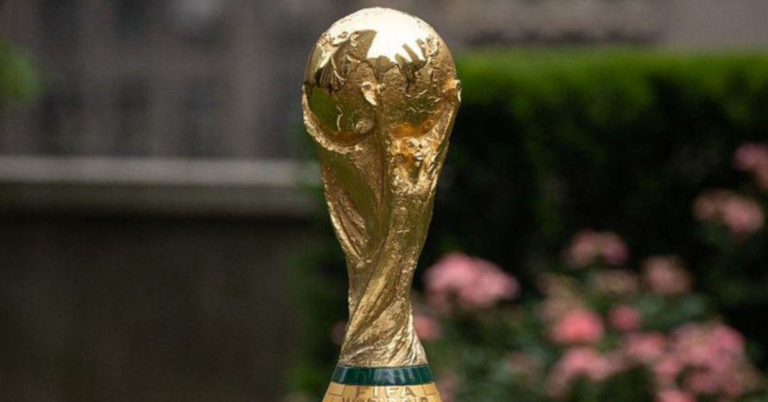
The United States will co-host FIFA World Cup 2026 alongside Canada and Mexico, creating what organizers describe as the largest tournament in football history. As preparations intensify, stakeholders continue to raise questions about whether participants from certain regions could encounter similar obstacles.
For Somalia, however, the focus remains firmly on Artan’s achievement.
Former Somali President Mohamed Abdullahi Farmaajo praised the referee as a source of national inspiration and a reminder of the country’s potential on the global stage. Across social media, Somalis celebrated his accomplishments rather than the controversy itself.
That reaction may ultimately define this story.
Although Omar Artan missed an opportunity to officiate at football’s biggest tournament, he returned home as a national icon. His journey has already inspired a new generation of Somali referees and sports professionals.
Ironically, the referee expected to oversee matches at FIFA World Cup 2026 has become one of the tournament’s most talked-about figures before the competition even begins.
As pressure grows on FIFA and tournament organizers to address concerns surrounding accessibility and inclusion, Omar Artan’s story continues to resonate far beyond football. It now stands as a defining conversation about sport, opportunity, and global participation in the modern era.

- Burkina Faso Channels Over $6 Billion in Gold Through Official Markets
- Zimbabwe Pushes Value Addition Over Raw Mineral Exports
- Dangote Refinery Nears Full Gasoline Production as Nigeria Seeks Fuel Market Stability
- Zimbabwe’s $1B Gold Mine Signals a New Mining Power Shift

- Dangote Refinery Targets Global Dominance With Massive Expansion